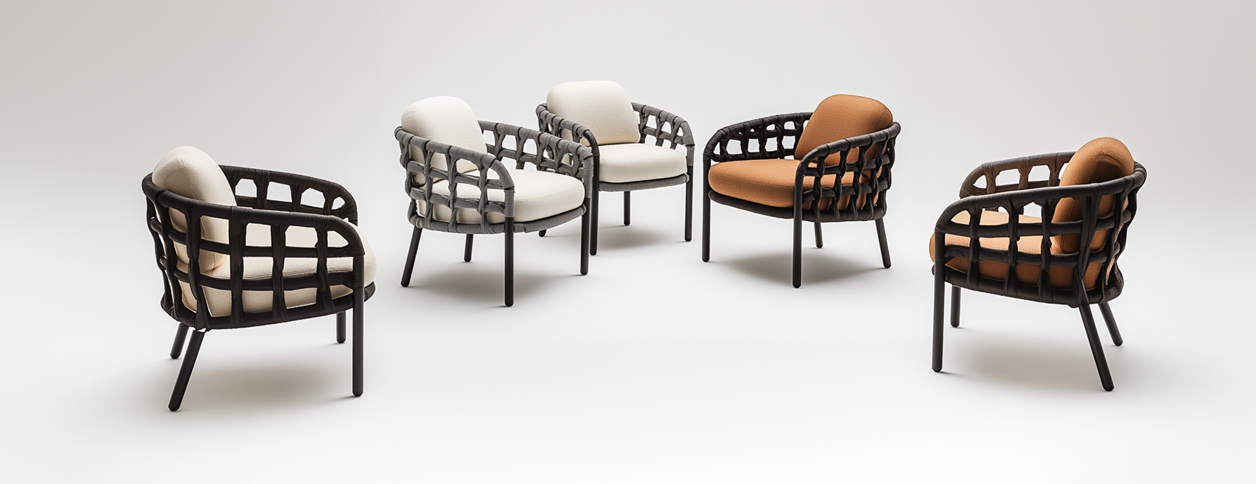
Small patios often seem too limited for relaxation, but with creative design strategies, they can be transformed into inviting retreats. The placement of an outdoor sun lounger plays a pivotal role in determining how functional and visually appealing a patio becomes. Even with minimal square footage, the right layout creates a sense of openness and comfort, making the space more usable and enjoyable.
.jpg)
.jpg)
Choosing the Right Number of Loungers
The first step in designing a layout is deciding how many loungers the patio can realistically accommodate. In most small patios, a single backyard sun lounger becomes the focal point. Placed along one edge or tucked into a corner, it leaves room for movement and accessories while ensuring comfort. For those who prefer a pair, the arrangement must be carefully considered. Two loungers placed side by side may feel overwhelming in compact areas, but an L-shaped layout allows for conversation and relaxation while keeping the center open.
Maximizing Corners and Edges
Corners and edges are valuable spaces in small patios, often overlooked during planning. Positioning an outdoor sun lounger diagonally across a corner creates an illusion of depth, making the patio feel larger than it is. Edges can also be utilized effectively by aligning loungers along walls or railings, which preserves pathways for walking. Incorporating small, movable side tables adds convenience without clutter. When space is carefully optimized, even the smallest patios feel expansive and welcoming.
.jpg)
.jpg)
Flexible Designs With Waterproof Loungers
Durability is a key consideration in patio layouts, especially when the area is exposed to rain and sun. A waterproof sun lounger provides greater freedom in placement, since it can be positioned closer to uncovered edges without concern for weather damage. This flexibility allows homeowners to maximize sun exposure or shade based on their preferences. Waterproof designs also make it easier to rearrange layouts seasonally, ensuring the patio always feels fresh and functional.
Creating Flow With Angles and Pathways
Straight lines can make a small patio feel rigid and cramped. Introducing angles softens the layout and guides movement naturally. For example, angling a backyard sun lounger toward a focal point, such as a garden feature or water element, draws attention outward and creates visual flow. Pathways should always remain clear to prevent the patio from feeling cluttered. By aligning loungers diagonally or slightly offset, homeowners ensure that relaxation zones and movement areas coexist harmoniously.
.jpg)
.jpg)
Enhancing Functionality With Outdoor Furniture
Beyond loungers, supporting pieces of outdoor furniture improve usability. A compact folding table, a slim bench, or a storage ottoman can complement loungers without overwhelming space. Multi-functional designs are especially useful: a table that doubles as storage or a bench with hidden compartments saves valuable floor space. These additions enhance the layout by offering convenience while maintaining a clean, uncluttered look.
Layering With Vertical Elements
When the floor area is limited, vertical design becomes essential. Placing a vertical planter or wall-mounted shelves near an outdoor sun lounger introduces greenery without consuming square footage. Hanging lanterns or string lights overhead add ambiance while keeping the patio surface open. Vertical design not only maximizes space but also introduces texture and personality, making the patio more dynamic and inviting.
Conclusion: Cozy and Functional Layouts for Small Patios
The best layouts for small patios are those that emphasize comfort, openness, and adaptability. Whether using a single outdoor sun lounger to highlight tranquility or arranging two waterproof sun loungers for social interaction, careful placement ensures the patio feels spacious. Corners and angles are used strategically, while complementary outdoor furniture provides both function and style. With thoughtful design, a small patio can easily transform into a cozy retreat that reflects personal taste and maximizes every inch of space.
READ MORE: