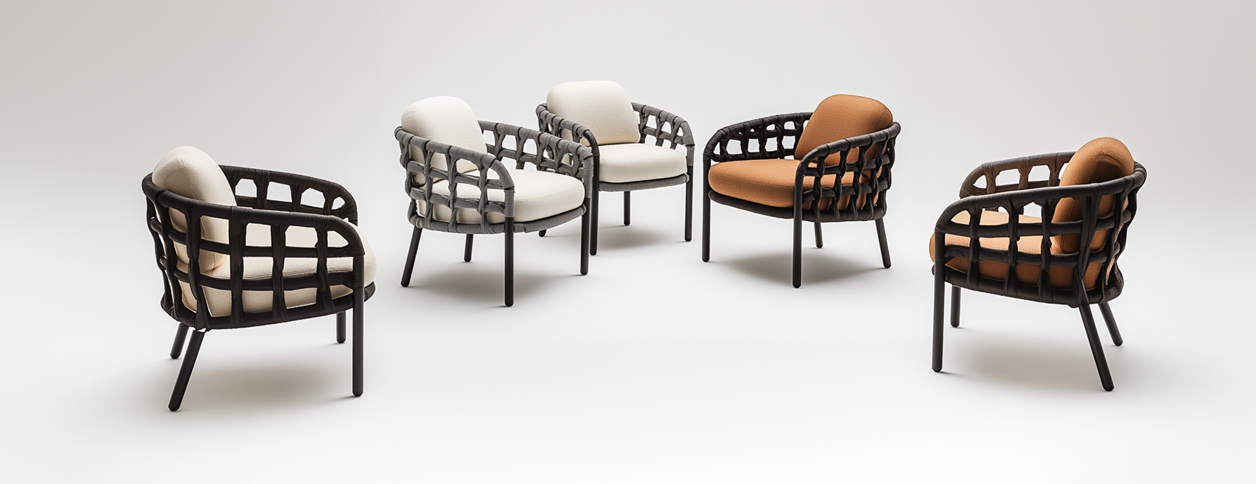
Relaxing outdoors has become an integral part of modern living. Whether it’s lying by the pool, stretching out on the patio, or soaking up the afternoon sun in the garden, the outdoor sun lounger plays a central role in backyard leisure. Yet one factor that many buyers overlook when selecting a lounger is its weight capacity. Knowing how much weight a lounger can support is vital to ensuring safety, durability, and long-term comfort.
This article explores why weight capacity matters, typical ranges across different models, and how factors such as materials, design, and waterproofing influence a lounger’s strength.
.jpg)
.jpg)
Typical Weight Capacity of Sun Loungers
The majority of loungers are designed to support between 220 and 330 pounds (100–150 kilograms). This range is sufficient for most adults, but there are models built to hold significantly more. Heavy-duty loungers, often designed for commercial or high-use environments, can support 400 pounds or more. Some premium models even reach 500 pounds, making them suitable for resorts and spas.
A backyard sun lounger made from solid teak or steel is often at the higher end of the weight spectrum, while lightweight aluminum loungers may fall in the midrange unless they include reinforcements.
Why Weight Capacity Matters
Weight capacity is more than a technical detail—it determines the safety and functionality of the lounger.
Safety: Exceeding the maximum limit risks breakage, fabric tearing, or even collapse.
Durability: Consistently staying under the limit ensures the frame and fabric remain strong for years.
Comfort: Loungers with higher capacities often feel more stable and reliable, adding to the overall experience.
Without attention to weight ratings, buyers may inadvertently shorten the lifespan of their furniture or risk injury.
Materials and Their Role in Strength
One of the key factors influencing weight capacity is the material used in construction.
Wood: Teak and eucalyptus are the most popular hardwoods for loungers. A backyard sun lounger made from teak is both durable and beautiful, often lasting decades with proper maintenance. Wood’s density makes it naturally strong, though it requires seasonal care.
Aluminum: Lightweight yet resilient, aluminum is widely used in modern designs. A waterproof sun lounger with aluminum framing resists rust and is easy to move. While some aluminum models support less weight, reinforced options can handle high capacities.
Steel: Heavier and less portable, steel is extremely strong and suitable for heavy-duty use. Steel loungers are common in hotels and spas, where durability is a top priority.
.jpg)
.jpg)
Fabric and Cushion Systems
The fabric or cushion system contributes to weight support as much as the frame. Low-quality fabrics may sag or rip under pressure, while premium sling fabrics or thick quick-dry cushions distribute weight more effectively. A waterproof sun lounger often uses enhanced fabrics and stitching, which resist both weather damage and strain from weight.
Design and Structural Integrity
The engineering of a lounger plays a huge role in determining weight capacity. Features that enhance strength include:
Wide Frames: Broader bases distribute weight more evenly.
Cross-Bracing: Added bars and reinforcements prevent bending.
Adjustable Mechanisms: Reclining systems must be strong enough to hold shifting weight securely.
Design details like these make a big difference between an average lounger and one that lasts for decades.
Waterproofing and Longevity
A waterproof sun lounger is not just resistant to water—it is built for resilience. Waterproof fabrics reduce the risk of sagging, while rust-proof frames keep joints and bolts intact. This durability directly impacts how much weight the lounger can support over time, as exposure to rain and humidity often weakens non-waterproof designs.
For coastal homes or poolside backyards, waterproof models are essential. They retain their structural integrity even after years of exposure to sun and moisture.
_cjjqap.jpg)
_Wo0s3h.jpg)
Weight Capacity and User Comfort
Interestingly, weight capacity and comfort often go hand in hand. Loungers with higher capacity ratings are typically built with sturdier frames and better support systems, which make them more stable. This reduces wobbling and increases user confidence.
For families, selecting a backyard sun lounger with a higher weight limit ensures it can be used by anyone safely. Even when children jump onto the lounger or multiple people sit briefly together, a strong design remains reliable.
Matching Weight Capacity with Outdoor Furniture
When designing a backyard setup, it’s important to consider loungers in harmony with other outdoor furniture. High-capacity loungers not only offer safety but also match the durability of tables, chairs, and umbrellas designed for frequent use. Choosing sturdy loungers ensures the entire backyard feels cohesive and long-lasting.
Commercial vs. Residential Needs
In commercial environments such as resorts and spas, loungers must meet higher standards. They are used constantly, often by people of different sizes, and must endure heavy wear. Commercial-grade loungers are almost always rated at 400 pounds or more.
For homeowners, applying the same principle ensures long-term satisfaction. A high-capacity outdoor sun lounger offers the same peace of mind and longevity, even if it is only used seasonally.
Maintenance for Maximum Strength
Even strong loungers need care. Wooden loungers should be oiled and sealed regularly. Aluminum loungers should be wiped clean to prevent corrosion at the joints. Cushions should be stored indoors when not in use, especially in wet seasons. By maintaining loungers properly, their weight capacity remains reliable for years.
Conclusion
A typical outdoor sun lounger supports 220–330 pounds, while premium models can support 400 pounds or more. The true capacity depends on materials, design, and fabric quality. Choosing a high-capacity backyard sun lounger or a waterproof sun lounger ensures both safety and comfort for years to come.
As part of essential outdoor furniture, the lounger is more than just a place to sit. It represents leisure, reliability, and thoughtful design. By considering weight capacity alongside style, homeowners can create backyard spaces that are both beautiful and functional.
READ MORE: