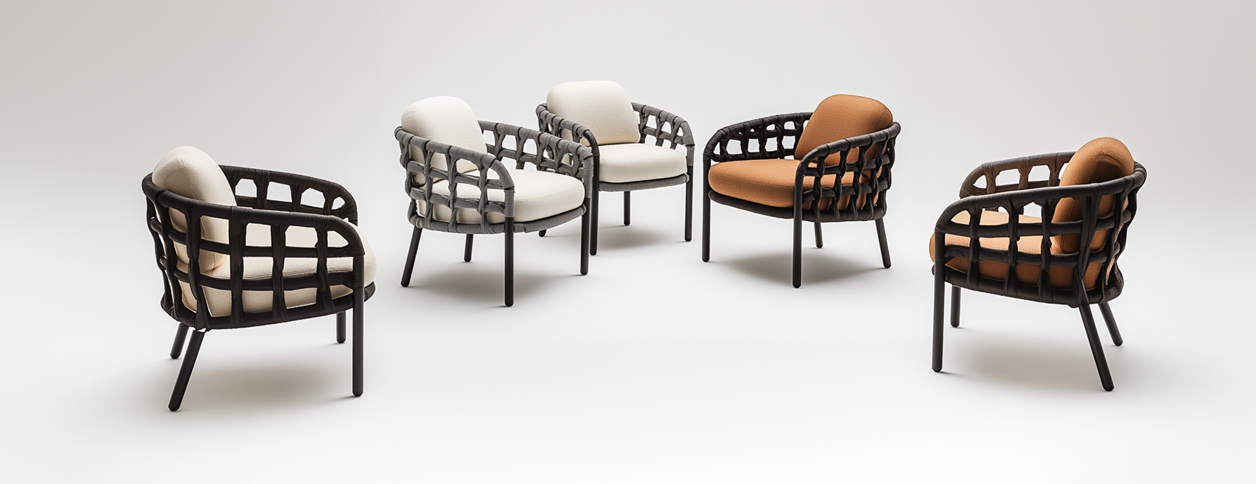

When creating a beautiful and long-lasting outdoor living space, choosing the right materials is just as important as selecting the perfect design. Outdoor furniture faces constant exposure to the elements—sunlight, rain, wind, and fluctuating temperatures. That's why selecting weather-resistant materials is crucial for ensuring durability, safety, and low maintenance. Whether you're buying a cozy outdoor sofa, a stylish garden table chair, or a relaxing outdoor sun lounger, knowing which materials can withstand the harshest weather will help you make smart, lasting investments.
1. Teak: The Timeless Natural Choice
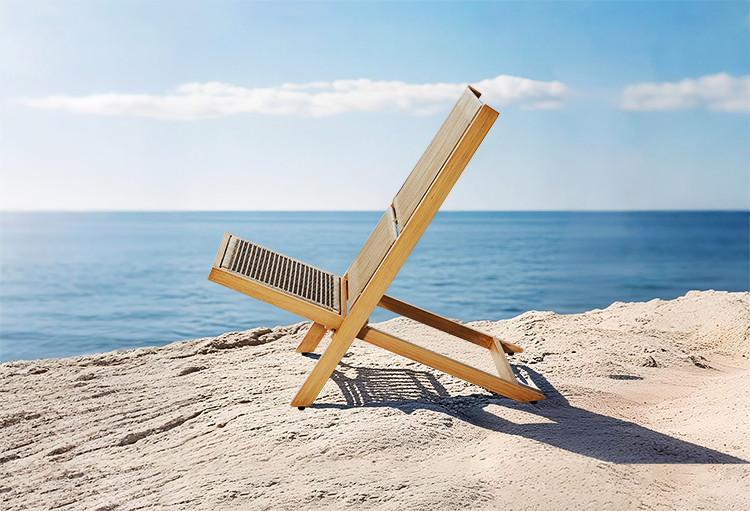
Teak is one of the most weather-resistant woods available and a favorite for outdoor furniture. Native to Southeast Asia, teak contains natural oils that make it highly resistant to water, pests, and rot. It can endure sun, rain, and even snow without warping or cracking.
A teak outdoor sofa or garden table chair adds warmth and a classic, organic look to any patio. Over time, teak develops a silver-gray patina that many homeowners find charming. Though it may be one of the pricier options, teak’s durability and low maintenance make it a worthwhile investment.
Pros:
• Excellent resistance to water and insects
• Strong and durable
• Ages beautifully
Cons:
• Expensive
• May require occasional oiling to maintain golden color
2. Powder-Coated Aluminum: Lightweight and Rust-Free
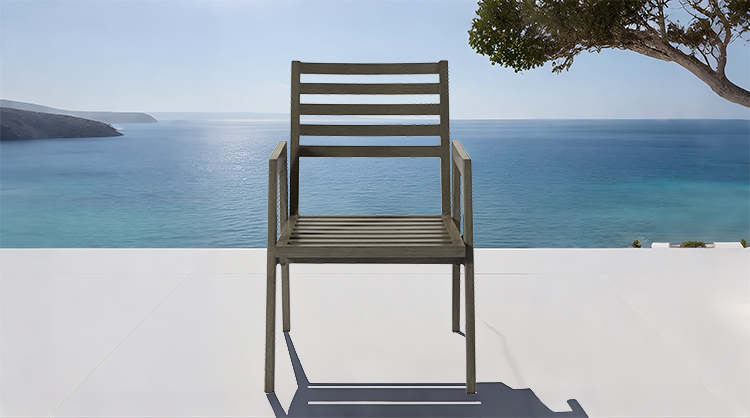
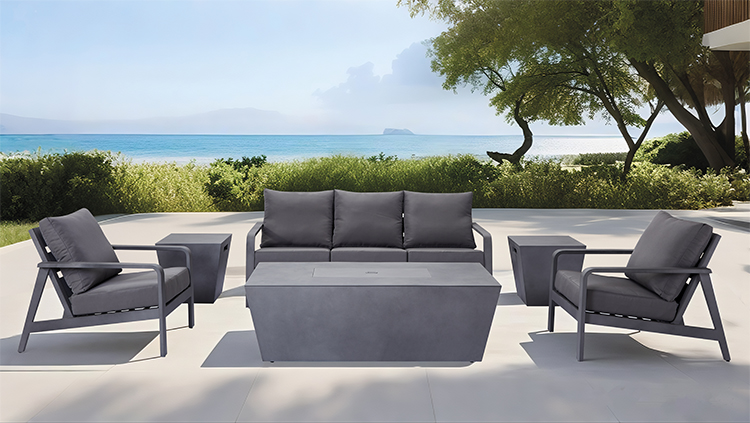
Aluminum is one of the most practical and popular choices for outdoor furniture frames. Powder-coated aluminum, in particular, offers superior resistance to rust, corrosion, and UV rays. It's lightweight, easy to move, and available in various modern finishes.
Whether it’s the frame of your outdoor sun lounger or your garden table chair, aluminum adds sleek aesthetics with minimal upkeep. Just a quick wash with soap and water keeps it looking fresh season after season.
Pros:
• Rust- and corrosion-resistant
• Lightweight and easy to move
• Available in many styles and colors
Cons:
• Can be blown over by strong winds if not weighted
• Less sturdy than steel or wrought iron
3. Synthetic Resin Wicker: The Modern Classic
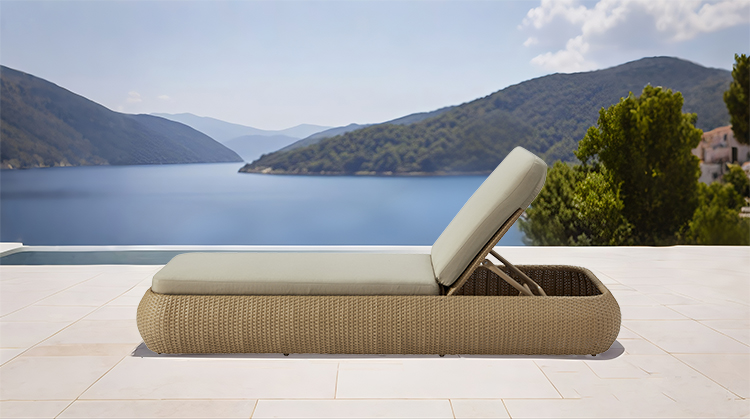
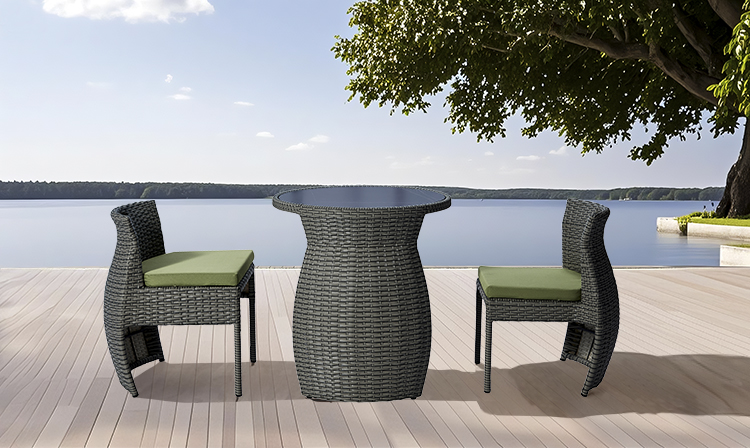
Resin wicker, also known as all-weather wicker, is made from synthetic polyethylene fibers designed to mimic traditional rattan while offering enhanced weather resistance. This material is typically woven over an aluminum frame, giving the furniture both style and structure.
A synthetic wicker outdoor sofa or outdoor sun lounger brings a natural yet contemporary feel to outdoor living. Look for high-density polyethylene (HDPE) wicker, which is UV-resistant, durable, and eco-friendly.
Pros:
• Resistant to fading, cracking, and moisture
• Lightweight and versatile
• Stylish and comfortable
Cons:
• Lower-quality resins may degrade in sunlight
• Can trap dirt in woven crevices
4. Stainless Steel: Industrial Strength
Stainless steel is an incredibly strong and durable material, especially useful for outdoor areas that endure rough weather or heavy use. It doesn’t rust, crack, or warp, making it a solid choice for frames of garden table chairs or outdoor sofas.
For added protection, many stainless steel furniture pieces are brushed or powder-coated. While heavier and sometimes more expensive, stainless steel offers unmatched longevity and structural integrity.
Pros:
• Extremely durable and weather-resistant
• Modern, elegant appearance
• Resists rust and corrosion
Cons:
• Heavier than other materials
• Can become hot under direct sun
5. Plastic and Polypropylene: Budget-Friendly and Versatile
For those looking for affordable and colorful options, plastic and polypropylene are excellent choices. Modern manufacturing techniques have improved their strength and UV resistance, making them more reliable than earlier plastic furniture.
They’re particularly popular for stackable garden table chairs and casual outdoor sun loungers. Maintenance is easy—just rinse or wipe them clean.
Pros:
• Inexpensive and widely available
• Lightweight and easy to store
• No rusting or rotting
Cons:
• May fade over time
• Not as durable as metal or wood
6. Textilene and Sling Fabric: Comfortable and Quick-Drying
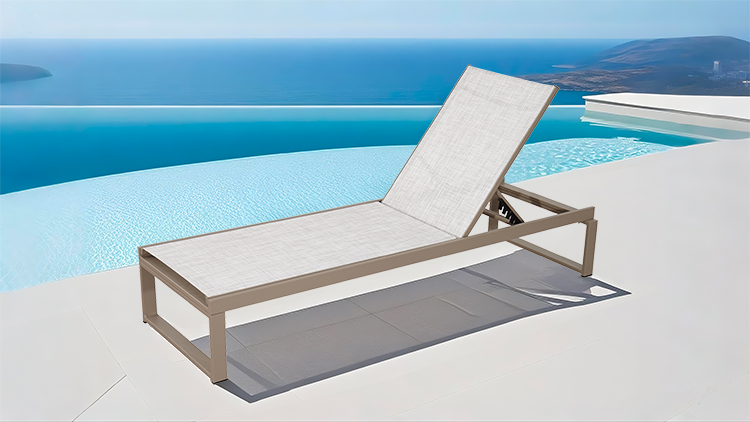
Textilene is a synthetic mesh fabric made from polyester coated with PVC, known for its strength, flexibility, and resistance to UV rays and mildew. It is commonly used in outdoor sun loungers and chair seats for its breathable and quick-drying qualities.
The fabric is stretched across a frame, offering comfortable support without needing extra cushions. It’s ideal for poolside furniture or humid climates.
Pros:
• Dries quickly and resists mold
• Comfortable and supportive
• Low maintenance
Cons:
• Limited color options
• Can sag over time with heavy use
7. Tempered Glass: Stylish and Sturdy Tabletops
While not used for entire furniture pieces, tempered glass is a common choice for garden table tops. It’s heat-resistant, easy to clean, and adds a touch of elegance to your outdoor dining area.
When combined with aluminum or steel frames, tempered glass tables are not only durable but also stylish. Always opt for shatterproof and treated options for added safety.
Pros:
• Heat and scratch-resistant
• Easy to clean
• Adds modern aesthetic
Cons:
• Can show water spots or fingerprints
• Must be handled carefully to prevent chipping
Final Thoughts
Choosing weather-resistant materials for your outdoor space ensures longevity, comfort, and aesthetic appeal. Whether you're lounging on a durable outdoor sofa, dining with friends on a garden table chair, or soaking up the sun on an outdoor sun lounger, selecting the right materials can make all the difference.
From luxurious teak and rust-proof aluminum to versatile resin wicker and breathable sling fabrics, there are countless options tailored to your climate, budget, and style preferences. Invest wisely, and your outdoor furniture will provide beauty and function for years to come.
READ MORE: