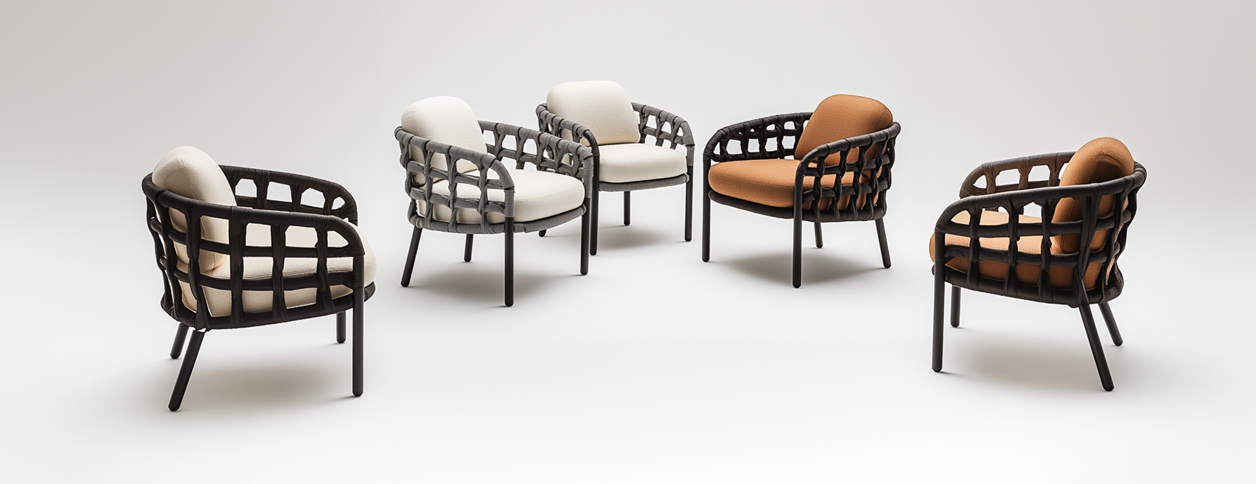
In 2025, sustainability has become more than a trend—it's a necessity. As homeowners and businesses look to reduce their environmental impact, choosing eco-friendly materials for outdoor furniture has taken center stage. Whether you're setting up a cozy backyard retreat or revamping a commercial patio space, selecting the right materials can enhance your outdoor aesthetics while protecting the planet. Here, we explore the best sustainable materials for garden furniture and outdoor furniture in 2025.
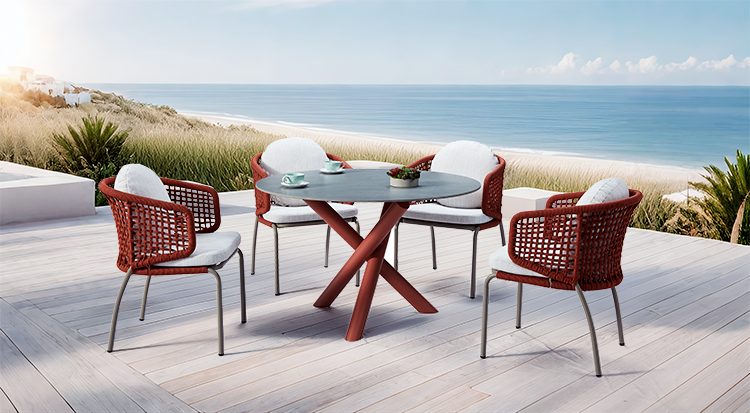
1. Recycled Plastic: Durable and Sustainable
One of the most promising materials for eco-conscious outdoor furniture is recycled plastic. Made from post-consumer waste like milk jugs and detergent bottles, recycled plastic furniture offers durability, weather resistance, and a wide range of design options. Brands are now producing high-end garden furniture that mimics the appearance of wood or metal without compromising on sustainability.
Recycled plastic doesn't rot, splinter, or require painting, which reduces the need for harsh chemical treatments. Additionally, the process of turning waste into usable furniture helps keep plastic out of landfills and oceans.
2. FSC-Certified Wood: Responsible Forest Management
Wood remains a timeless material for outdoor furniture, but in 2025, only responsibly sourced wood is considered truly sustainable. The Forest Stewardship Council (FSC) certifies wood harvested from forests that meet strict environmental and social standards.
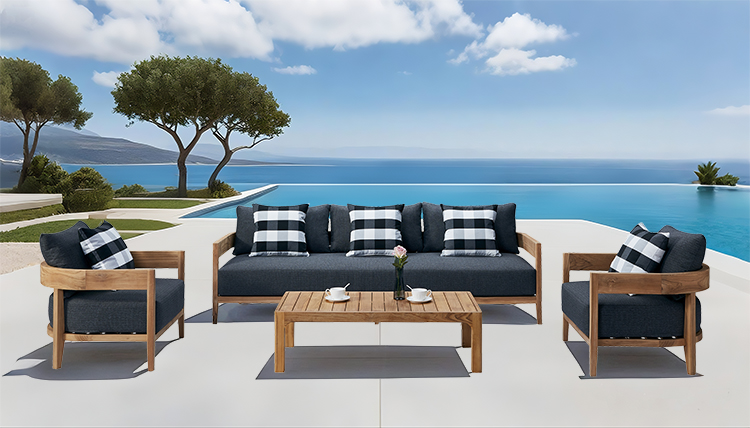
Teak, eucalyptus, and acacia are popular choices for FSC-certified garden furniture due to their natural weather resistance. These woods can withstand harsh outdoor conditions and age gracefully with minimal maintenance. Pairing them with eco-friendly stains and sealers enhances their longevity without harming the environment.
3. Bamboo: The Fast-Growing Favorite
Bamboo continues to gain popularity as a sustainable alternative to traditional hardwood. It's a fast-growing grass that regenerates quickly without the need for replanting, making it a highly renewable resource. In 2025, engineered bamboo is used to create stylish and durable outdoor furniture pieces.
Bamboo is naturally resistant to moisture and pests when treated properly. It offers a sleek, modern look that fits well in contemporary garden settings. Plus, it requires less energy to process than many other materials.
4. Reclaimed Wood: Giving Old Materials New Life
Reclaimed wood is an excellent option for those seeking a rustic or vintage look in their garden furniture. This material is sourced from old buildings, barns, and shipping pallets, reducing the demand for virgin wood and preventing usable materials from going to waste.
Each piece of reclaimed wood outdoor furniture tells a story and brings character to your outdoor space. It's often more durable than newly harvested wood because it has been naturally seasoned over time.
5. Powder-Coated Aluminum: Lightweight and Recyclable
Aluminum has long been a favorite for outdoor furniture due to its lightweight and rust-resistant properties. In 2025, powder-coated aluminum is being embraced as an eco-friendly option. The powder-coating process uses fewer volatile organic compounds (VOCs) than traditional paint and extends the life of the furniture.
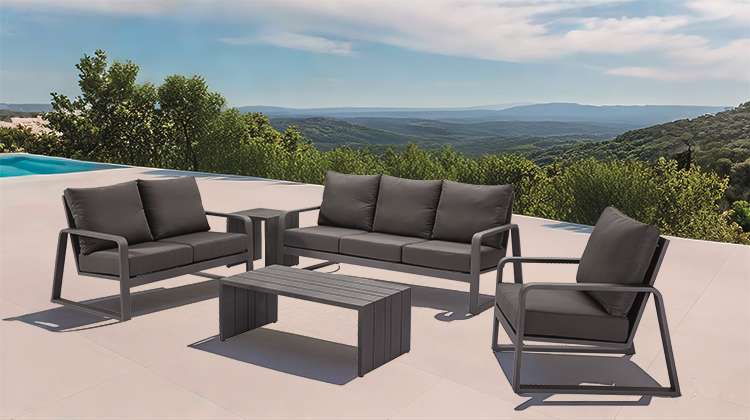
Aluminum is 100% recyclable and can be reused repeatedly without losing its strength. Opting for recycled aluminum significantly reduces the carbon footprint associated with production.
6. Natural Rattan and Wicker: Timeless Appeal
Natural rattan and wicker offer a classic look for garden furniture while being biodegradable and low-impact. In 2025, many manufacturers are turning to sustainably farmed rattan to craft elegant seating and tables.
While synthetic versions of wicker are available, the natural alternatives are preferable from an environmental standpoint. When combined with organic cushions and eco-friendly finishes, rattan furniture becomes a chic and green choice.
7. Concrete with Recycled Aggregate: Industrial and Green
Concrete is often overlooked in discussions about eco-friendly outdoor furniture, but new formulations in 2025 are changing that. By incorporating recycled aggregates like crushed glass or reclaimed stone, manufacturers reduce the environmental impact of producing concrete furniture.
Concrete tables and benches provide a sleek, industrial look that suits modern landscapes. They're highly durable and weather-resistant, making them a long-lasting investment in sustainability.
Choosing Eco-Friendly Fabrics and Cushions
It’s not just about the frames. The cushions and fabrics used in garden furniture can also contribute to sustainability. Look for textiles made from recycled polyester, organic cotton, or hemp. Many brands now offer UV-resistant and waterproof fabrics that are both high-performance and eco-conscious.
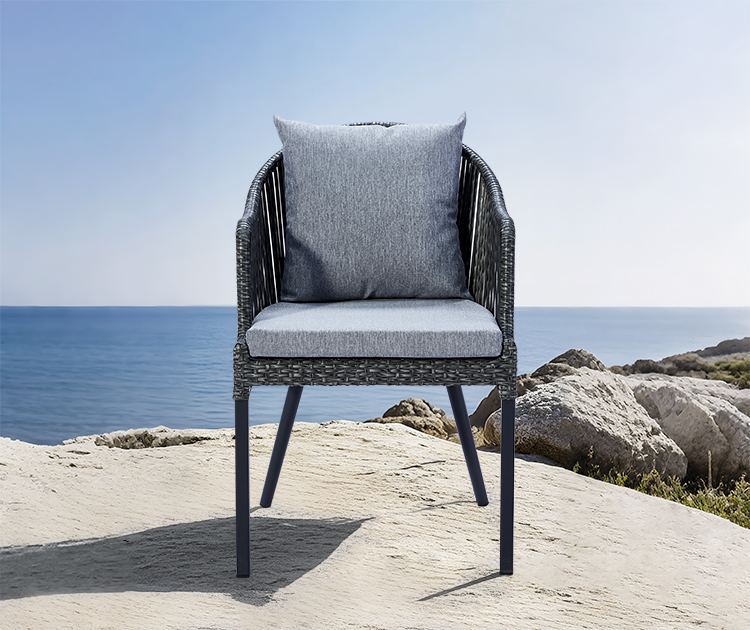
Additionally, consider using cushions with natural latex foam or biodegradable stuffing rather than synthetic foams that don’t break down easily.
Maintenance and Longevity: Key to Sustainability
No matter the material, longevity is a crucial factor in sustainable outdoor furniture. Furniture that lasts for years reduces the need for frequent replacements and conserves resources. Proper maintenance, such as cleaning with eco-friendly products and storing items during harsh weather, can extend the life of your investment.
Conclusion: Style Meets Sustainability in 2025
In 2025, selecting eco-friendly materials for your outdoor furniture doesn’t mean sacrificing style or durability. From recycled plastics and FSC-certified woods to bamboo and powder-coated aluminum, there are numerous sustainable options that cater to various aesthetics and budgets.
As you plan your garden or patio makeover, consider how your choices can positively impact the environment. Choosing eco-conscious garden furniture not only enhances your outdoor space but also contributes to a healthier planet for future generations. With the wide array of sustainable materials now available, making the green choice has never been easier or more stylish.
READ MORE: