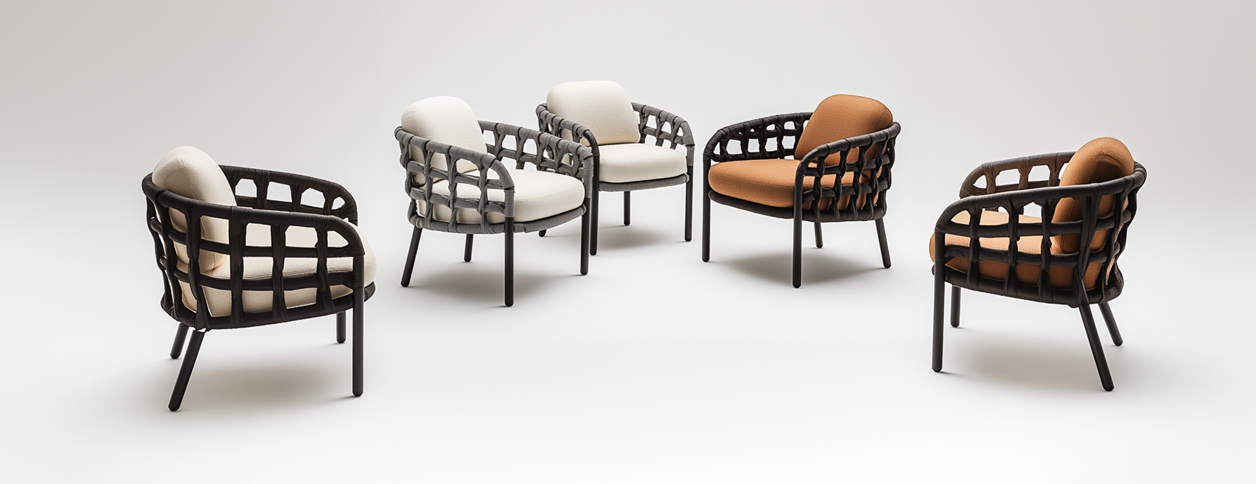
Outdoor dining has become an essential part of modern lifestyles, with patios, gardens, and rooftops serving as gathering spaces for family meals, barbecues, and celebrations. But dining outdoors isn’t just about tables and chairs—it’s about creating an inviting environment where comfort and leisure blend seamlessly. This is where the outdoor sun lounger comes into play. By adding loungers to outdoor dining areas, homeowners transform ordinary spaces into versatile, stylish, and relaxing hubs.
.jpg)
.jpg)
Creating a Seamless Flow Between Eating and Relaxing
One of the biggest advantages of integrating loungers into outdoor dining areas is the smooth transition they create between eating and relaxing. After enjoying a meal, guests often prefer to recline, chat, or sip a drink in comfort. An outdoor sun lounger provides the perfect spot for that post-dining relaxation, encouraging people to linger longer and enjoy the atmosphere. For smaller patios, a backyard sun lounger offers a dual-purpose solution that combines dining functionality with leisure seating, making the most of limited space.
Enhancing Comfort and Socialization
Dining outdoors should be more than just eating—it should be a social experience. Loungers complement dining sets by offering spaces for deeper conversations and more casual interactions. Unlike upright dining chairs, loungers allow people to stretch out and relax, creating a more welcoming and informal environment. This setup is especially valuable when entertaining larger groups. By mixing loungers with traditional outdoor furniture, homeowners can cater to both dining and lounging preferences, ensuring every guest feels comfortable.
.jpg)
.jpg)
Adding Versatility to Outdoor Spaces
Outdoor dining areas often need to serve multiple purposes: weekday family dinners, weekend brunches, or evening cocktail gatherings. Loungers add versatility by expanding the ways these spaces can be used. For instance, a waterproof sun lounger positioned near a dining table can double as casual seating during meals and as a relaxation spot afterward. In larger backyards, grouping loungers around dining zones creates different “activity areas,” allowing spaces to transition fluidly from eating to lounging without interruption.
Creating Resort-Like Ambiance at Home
Adding loungers elevates outdoor dining areas from functional to luxurious. Resort-inspired settings often combine dining with comfortable lounge seating, encouraging long hours of enjoyment. A double outdoor sun lounger with cushions and side tables can replicate that same ambiance at home. Paired with coordinated outdoor furniture such as dining sets, umbrellas, or fire pits, loungers contribute to an environment that feels indulgent and relaxing, turning simple meals into memorable experiences.
Durability for All-Weather Enjoyment
A major advantage of choosing a waterproof sun lounger is its ability to withstand weather changes. Since dining areas are often exposed to the elements, durable loungers made with UV-resistant fabrics, quick-dry cushions, and rust-proof frames ensure consistent comfort regardless of rain or humidity. This durability means loungers remain a reliable part of the dining setup year-round, requiring little maintenance. Their practicality makes them an ideal complement to outdoor dining furniture, enhancing both function and convenience.
Style and Cohesion in Design
Loungers also contribute aesthetically to outdoor dining areas. Available in a wide range of designs—from sleek modern frames to rustic wooden builds—they allow homeowners to coordinate with dining tables, chairs, and other outdoor furniture. This cohesion creates a polished look that enhances the overall appeal of the space. Whether paired with minimalist dining sets or bold statement pieces, loungers act as design anchors that tie the entire area together, making outdoor dining both stylish and inviting.
.jpg)
.jpg)
Supporting Health and Well-Being
Outdoor dining areas already promote healthier living by encouraging people to eat in fresh air and natural light. Adding loungers takes this further by providing opportunities for relaxation and stress reduction. Spending more time outdoors supports mental well-being, while loungers make it easier to extend that time comfortably. A backyard sun lounger not only improves the dining experience but also encourages daily outdoor use, supporting a more balanced and enjoyable lifestyle.
Conclusion: Loungers as Dining Enhancers
The outdoor sun lounger enhances outdoor dining areas by blending relaxation, socialization, style, and durability. A backyard sun lounger maximizes small patios, while a waterproof sun lounger ensures resilience in all climates. Integrated with complementary outdoor furniture, loungers create spaces that seamlessly combine dining with lounging, elevating both comfort and design. By adding loungers, homeowners transform outdoor meals into complete lifestyle experiences—making dining areas not just functional, but inviting, versatile, and luxurious.
READ MORE: