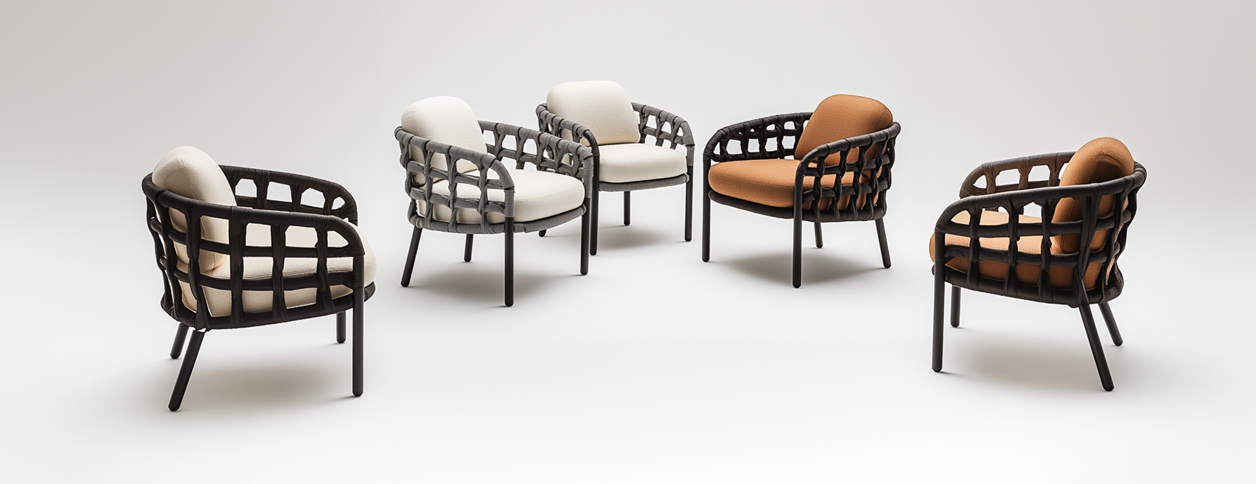
The humble sun lounger has become an outdoor essential — perfect for poolside naps, backyard reading, or soaking up the sun. But as outdoor living grows in popularity, so do the styles and choices available. Chief among them: Should you choose a modern or traditional outdoor sun lounger?
Both styles have their benefits, and the right choice depends on more than just looks. Let’s explore the key differences to help you decide.
_M6oaWJ.jpg)
_HXI8DI.jpg)
What Defines Modern Sun Loungers?
Modern sun loungers focus on streamlined design and functionality. Their minimalistic silhouettes, lightweight frames, and neutral tones make them ideal for sleek, contemporary spaces. Most are made with materials like powder-coated aluminum, breathable mesh, or synthetic rattan.
If you’re furnishing a rooftop terrace or a modern patio, a contemporary outdoor sun lounger fits right in. Adjustable backrests, built-in wheels, and UV-resistant finishes are common features, making modern loungers highly practical and stylish.
A waterproof sun lounger in a modern style also offers great performance in wet environments, requiring little maintenance and drying quickly.
The Appeal of Traditional Loungers
Traditional loungers lean into classic charm, often using wood or handwoven wicker as primary materials. These loungers may feature curves, carved accents, or padded fabric cushions in warm, earthy tones.
Perfect for rustic gardens or heritage homes, a traditional backyard sun lounger complements outdoor spaces with natural landscaping and vintage décor. While they may lack the foldable convenience of modern designs, their comfort and style often speak for themselves.
The sturdiness and aesthetic value of traditional loungers can make your backyard feel like an upscale retreat.
Which One Is More Comfortable?
Comfort is subjective, but both styles aim to deliver it. Modern loungers often use contoured frames and breathable materials, which are great for hot weather. Some also feature ergonomic cushioning or built-in lumbar support.
Traditional loungers rely more on thick cushions and rigid frames, offering a familiar, sofa-like comfort. If you prefer soft, padded relaxation, the traditional route may suit you better.
A backyard sun lounger with adjustable angles and armrests — whether modern or traditional — adds to the overall comfort. Try before you buy if possible, or read reviews on padding and support.
.jpg)
.jpg)
Weather Performance and Durability
Exposure to the elements can quickly wear out poorly made outdoor furniture. Modern loungers excel here — their synthetic materials are engineered to resist fading, mold, and rust. A well-built waterproof sun lounger can stay outside most of the year with minimal upkeep.
Traditional loungers, especially wooden ones, require a bit more care. While teak and cedar are naturally weather-resistant, regular oiling helps them maintain color and structural integrity. Wicker and rattan may need covers or storage during harsh weather.
That said, traditional doesn’t mean fragile — some of the most long-lasting loungers are handcrafted from high-quality wood with weatherproof finishes.
Mobility and Storage
If flexibility is important, modern loungers are usually lighter and easier to store. Many can be folded flat or stacked. This is ideal for those with limited storage or who want to move loungers between different outdoor zones.
Traditional loungers, while often bulkier, add a sense of permanence. They’re best suited to designated lounge areas that don’t change frequently. For semi-permanent patios or garden spots, they bring charm and structure.
Matching the Rest of Your Outdoor Furniture
Consistency in design helps create a cohesive look. If your outdoor furniture includes glass tables, steel chairs, or modular seating, a modern outdoor sun lounger will blend seamlessly.
However, if your space features wooden benches, iron lanterns, or floral fabrics, a traditional lounger will maintain harmony. A mixed-style space can also work — just use similar tones or accessories to tie it all together.
For instance, pairing a modern lounger with a vintage side table and neutral cushion can soften its look.
_0RpM3t.jpg)
_V9bRdp.jpg)
Cost and Longevity
Modern loungers often come with a lower upfront cost due to their scalable production and lighter materials. However, cheaper versions may not last as long or provide optimal comfort.
Traditional loungers may cost more initially, especially if handcrafted, but they often retain value over time and become part of the home’s character. For long-term investments, both styles offer quality — just ensure the build is sturdy and materials are weather-appropriate.
Sustainability and Environmental Factors
More brands today offer eco-friendly options. Recycled metals, FSC-certified wood, and sustainable fabric choices are increasingly common in both modern and traditional designs. If sustainability is a priority, look into the materials used and the manufacturer’s practices before purchasing.
Making Your Choice
Here’s a quick guide to help:
Choose a Modern Lounger If You Want:
Sleek aesthetics
Low maintenance
Easy portability
Integrated features
Choose a Traditional Lounger If You Prefer:
Timeless beauty
Heirloom quality
Natural materials
Cozy, classic charm
Ultimately, the best outdoor sun lounger is the one that makes you want to spend more time outside. Whether it’s a waterproof sun lounger beside a modern pool or a backyard sun lounger nestled in a lush garden, comfort and personal style should always lead your decision.
READ MORE:
Choosing Between Modern and Traditional Sun Loungers: What’s Best for Your Outdoor Retreat?
Modern vs. Traditional Sun Loungers: A Guide to Making the Right Outdoor Furniture Choice
Modern vs. Traditional Outdoor Sun Loungers: Which Style Suits Your Space Best?
Choosing the Right Outdoor Sun Lounger: Modern vs. Traditional Styles