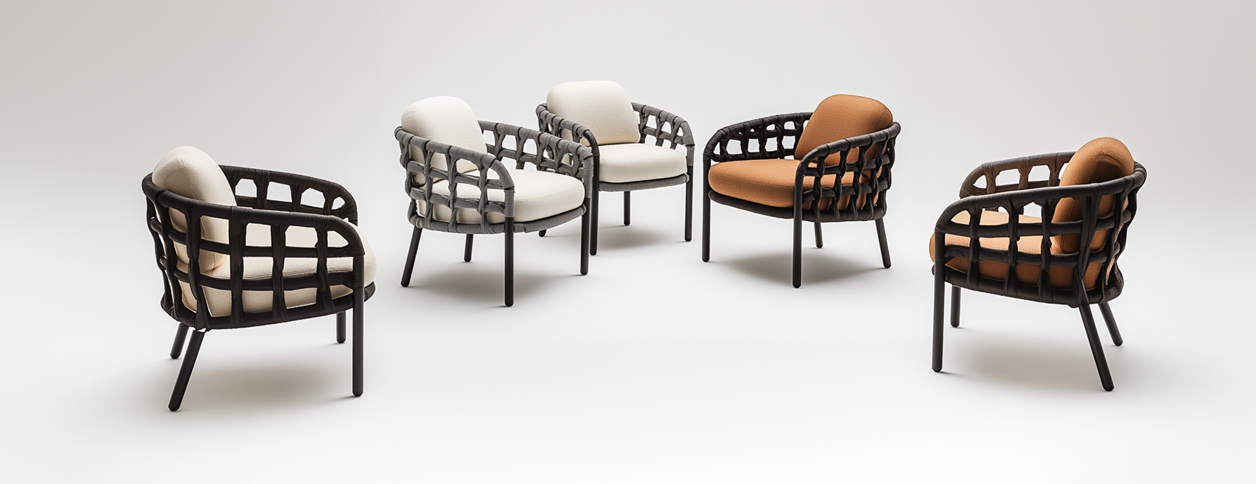
Creating a cozy and functional outdoor space on a small patio can feel like a challenge, especially when incorporating essential outdoor furniture like sun loungers. But with smart design strategies and a few thoughtful choices, even the most compact areas can become a stylish and relaxing retreat. Whether you're outfitting a balcony, courtyard, or petite patio, this guide shows you how to position an outdoor sun lounger — or two — without sacrificing comfort or flow.
.jpg)
.jpg)
Start with a Vision and Purpose
Before arranging anything, define how you want to use your outdoor space. Do you envision a reading nook, a sunbathing zone, or an area to sip your morning coffee? Your intent will shape the type of outdoor sun lounger you choose and where you place it.
For instance, if your priority is sunbathing, your lounger should be positioned to catch direct light for the longest time during the day. For shade-loving readers, setting your lounger under a small pergola or wall shade works better.
Having a clear purpose makes the layout process efficient and ensures every square foot of your small patio is used intentionally.
Choose the Right Style of Lounger
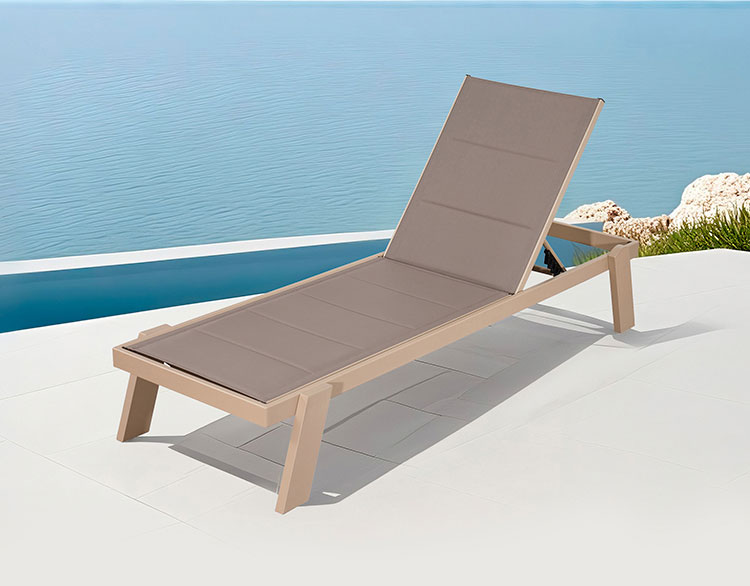
In small spaces, size and silhouette matter. Bulky wooden loungers may overwhelm a tight area, while slim-profile waterproof sun loungers offer durability and elegance without hogging space.
Foldable or stackable loungers are a bonus in petite patios. Some models even include built-in storage or flip-up tables for drinks and books, making them ideal for multipurpose outdoor use.
Look for loungers with minimalist designs, narrow legs, and clean lines to help the space feel more open and less crowded.
Use Corners and Walls to Your Advantage
One of the easiest ways to make the most of limited patio space is to use your walls and corners effectively. Placing a backyard sun lounger against a wall not only saves space but also gives you the chance to hang a vertical garden or decorative art above it.
If your patio has railing, position the lounger to align with it, giving you open space in the middle for foot traffic. For patios with multiple walls, using an L-shaped configuration with two loungers can create a cozy, conversational setup.
These arrangements prevent clutter while maintaining functionality.
.jpg)
.jpg)
Go Vertical Where Possible
Vertical design is a game-changer for small patios. You can elevate planters, shelving, or lighting to free up valuable floor space. Instead of sprawling furniture, add vertical touches around your outdoor sun lounger to enhance the atmosphere.
Hang lanterns, use a tall side table, or install floating shelves nearby to store magazines or outdoor essentials. This strategy allows the main floor space to remain open while maintaining full functionality.
Plus, vertical additions visually draw the eye upward, making the space feel larger.
Stick to a Cohesive Color Palette
Light and neutral tones make small areas feel more expansive. When selecting a waterproof sun lounger, opt for materials and fabrics in beige, white, soft gray, or muted blues. These colors reflect light and help create an airy, breezy ambiance.
Coordinating the color of your loungers with other outdoor furniture such as chairs, tables, or rugs adds cohesion, which is key in compact spaces. Fewer contrasting colors mean less visual noise, helping the space feel calmer and more open.
Pops of color can come from throw pillows, plants, or a decorative rug.
Use Symmetry for Visual Balance
Even in tiny patios, symmetry brings order and harmony. If space permits two loungers, place them side by side with a small table in between. This classic resort-style layout is inviting and balanced.
When only one backyard sun lounger fits, consider centering it and flanking it with identical planters or lanterns to simulate symmetry. Visual balance can also be achieved with patterns, lighting, and repeated textures like rattan or slatted wood.
These tricks make the area feel intentional, even if minimal.
Keep Traffic Flow Clear
Compact patios must account for movement. Avoid placing a lounger where it blocks entryways, stairs, or access to utilities. The best layout allows you to stretch out on your outdoor sun lounger without feeling cramped or needing to reposition it constantly.
If necessary, opt for a lounger with wheels so you can move it easily depending on time of day or number of guests. Wheels also help with cleaning or storing your waterproof sun lounger when not in use.
Add Multi-Functional Pieces
When space is tight, every piece must earn its spot. Choose a lounger that can double as a reading chair, daybed, or even an occasional bench. Some backyard sun loungers come with adjustable backs, hidden storage compartments, or clip-on trays that enhance usability without increasing the footprint.
Pair your lounger with a fold-out side table or a planter box that doubles as seating to maximize flexibility. These multi-use items turn a small patio into a functional outdoor room.
Lighting and Accessories Matter
Even the perfect outdoor sun lounger needs a little support from accessories. Solar-powered lanterns, string lights, or compact floor lamps can transform a simple space into an evening escape. A weatherproof rug anchors the lounger visually, while potted plants add life and color.
Adding a small waterproof speaker or a durable magazine holder ensures the lounger isn’t just for show — it’s an essential part of your daily routine.
Final Thoughts: Small Patio, Big Potential
Just because your patio is small doesn’t mean it can’t be stunning. With the right placement, smart design, and a well-chosen waterproof sun lounger, you can turn even the tiniest outdoor area into a relaxing sanctuary.
Whether you're watching the sunset, enjoying your morning coffee, or reading in the afternoon shade, a well-arranged outdoor sun lounger offers comfort and style that fits any space.
READ MORE:
Designing with Purpose: How to Arrange Outdoor Sun Loungers on Compact Patios
Big Relaxation in Small Spaces: Outdoor Sun Lounger Setup Ideas for Compact Patios
Smart Lounger Layouts: Making the Most of Small Patios with Outdoor Sun Loungers
Maximizing Small Patios: Strategic Outdoor Sun Lounger Layouts That Work