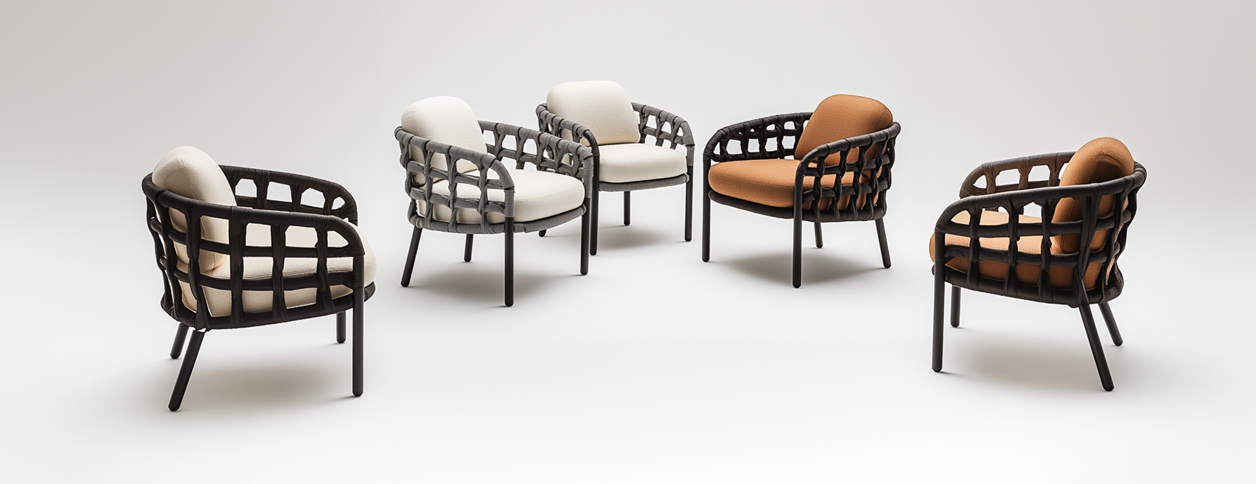
If you're working with a small patio, you might think adding a backyard sun lounger is out of the question. But even in tight spaces, with smart planning and the right pieces, you can enjoy all the relaxation benefits of a lounger — without making your patio feel cramped or cluttered.
Here’s how to thoughtfully arrange an outdoor sun lounger (or two) in compact spaces to maximize comfort, function, and aesthetics.
_uOzZkA.jpg)
_x8WDyz.jpg)
Pick the Perfect Lounger Type for Limited Space
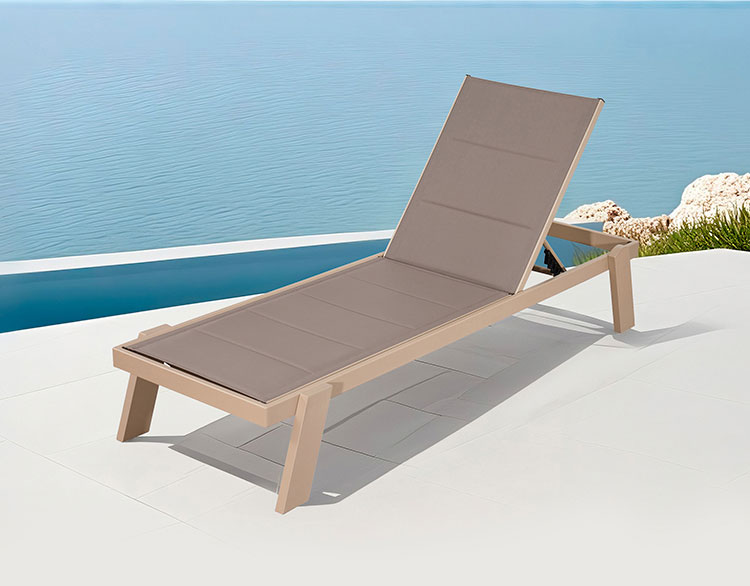
Not all loungers are created equal, especially when space is at a premium. A sleek, narrow waterproof sun lounger with a slim frame can blend into your patio’s layout effortlessly. Choose options that are foldable or stackable if you plan to clear the space for other activities.
Materials also matter. Aluminum and rattan-style resin are lightweight and ideal for moving around as needed. Some designs even offer half-width loungers or modular sections that let you build around your available space.
Don’t underestimate how transformative one well-placed lounger can be on a small patio.
Find the Best Placement for Functionality
Start with your patio’s natural layout. Do you have a wall, railing, or fence? These elements are excellent backdrops for placing a lounger. Tucking a backyard sun lounger along the edge creates a clear open path through the middle of the space.
If the area is square, position the lounger diagonally across a corner. This adds visual interest while optimizing legroom. For long, narrow patios, parallel placement along the wall with a small side table maximizes usable space.
Also consider the sun’s path — positioning your outdoor sun lounger to capture morning or afternoon light can enhance your lounging experience.
Go Vertical with Accessories
When you’re low on ground space, go high with décor and storage. Wall-mounted lighting, vertical planters, and narrow shelves can free up floor space while still giving your patio personality.
Hang a floating shelf beside your lounger to hold drinks, books, or a small plant. This keeps the area tidy and your essentials within reach — especially helpful if your waterproof sun lounger includes a reclining feature for all-day comfort.
Vertical touches help make the space feel layered and intentional, without clutter.
.jpg)
.jpg)
Stick to Light Colors and Simple Textures
In tight spaces, less is more when it comes to visual elements. Choose light-colored or neutral-toned outdoor furniture to reflect natural light and make the area appear larger.
Soft grays, off-whites, and sandy hues keep things airy and help your lounger blend with its surroundings. Textures like smooth metal, woven resin, or matte plastic provide interest without visual heaviness.
Avoid busy patterns or dark colors unless they serve a very specific design goal — simplicity creates calm in small areas.
Use Dual-Purpose Accessories
Small patios benefit from furniture that does more than one job. Choose a side table that also works as a stool or storage bin. A footrest with a lift-top lid can store towels, while a bench can double as a mini dining spot.
Even your outdoor sun lounger can multitask — some models recline into flat benches, while others offer cup holders or built-in trays. Opting for multipurpose pieces allows you to stretch the utility of your space without adding clutter.
Create a Lounge “Zone”
You may have room for only one backyard sun lounger, but you can still create a designated lounge area. Anchor your lounger with a small rug or set it apart with a few potted plants. These additions visually carve out a space for relaxation, signaling its purpose even in a compact environment.
Lighting also helps establish zones. A small lantern, solar lamp, or string light draped overhead can turn your lounger setup into a personal retreat after sunset.
The goal is to make lounging feel intentional, not accidental.
Keep Pathways Clear
It’s tempting to fill every inch of a small patio with something functional, but it’s important to leave breathing room. Ensure your waterproof sun lounger doesn’t block access points like doors, garden gates, or utility panels.
Keep at least one clear path for foot traffic, and make sure your layout allows the lounger to recline fully. Even just 2 feet of clearance around the lounger’s sides or foot end can make a big difference in usability.
This consideration makes your patio not only prettier but easier to live with.
Weather-Resistant Materials Make Life Easier
If you don’t want to haul cushions inside every time it rains, opt for a waterproof sun lounger with quick-drying fabric and rust-proof framing. These materials hold up against summer storms and salty air if you live near the coast.
Their durability means you can leave the lounger in place most of the year, further simplifying your patio setup. And if storage is an issue, waterproof models are less fussy about covers or seasonal prep.
They’re built to live outdoors — exactly what small patio owners need.
Final Touches for Comfort and Style
Finish your space with a soft throw blanket, a few durable pillows, or a small side plant for freshness. If you love music, consider a small waterproof Bluetooth speaker tucked near your lounger. Or add a book holder if you love reading outside.
These minor additions enhance the relaxing experience and make your outdoor sun lounger setup feel like a true extension of your home.
Conclusion: Small Can Still Be Luxurious
With the right lounger and smart design strategies, even the tiniest patio can become a personal haven. Whether you’re stretching out on a single outdoor sun lounger or arranging a pair of compact loungers with a shared table, your patio has potential waiting to be unlocked.
Choose furniture that fits your space and lifestyle, especially waterproof sun loungers that look great and withstand the elements. In the end, your small patio might just become your favorite part of the house.
READ MORE:
Designing with Purpose: How to Arrange Outdoor Sun Loungers on Compact Patios
Big Relaxation in Small Spaces: Outdoor Sun Lounger Setup Ideas for Compact Patios
Maximizing Small Patios: Strategic Outdoor Sun Lounger Layouts That Work
Small Space, Big Comfort: Arranging Outdoor Sun Loungers on a Tiny Patio