If you’re outfitting your garden, patio, or poolside with an outdoor sun lounger, you might already be considering factors like design, materials, and comfort. But have you thought about how much weight it can hold? Many consumers overlook this crucial aspect, only to find out too late that their lounger can’t support their needs. In this comprehensive guide, we’ll dive deep into the subject of weight capacity and what it means for your outdoor lounging experience.
_xaXhzt.jpg)
_Lt9FWY.jpg)
Why Is Weight Capacity Important?
Weight capacity is the maximum load a piece of furniture can support without compromising its structure or safety. For outdoor furniture, including loungers, weight limits are especially important due to added environmental stress—like wind, moisture, or ground unevenness—that indoor pieces don’t face.
Failing to adhere to weight limits can cause:
Warping or bending of the frame
Tearing of fabrics
Joint failure
Safety hazards and discomfort
That’s why checking the load-bearing rating of your outdoor sun lounger should be just as important as choosing the right color or shape.
Average Weight Capacity: What to Expect
The average outdoor sun lounger is rated to hold between 250 and 330 pounds. This is sufficient for most adults and occasional use. However, premium models—especially those designed for frequent or commercial use—offer capacities between 400 and 600 pounds. Some heavy-duty loungers even exceed that, built with high-strength materials and additional reinforcement.
If you plan to use the lounger daily, or if it will be shared among family members, investing in a sturdier model is well worth the cost.
Materials and Construction: The Capacity Connection
Let’s break down how various construction materials affect weight limits:
Aluminum: Lightweight and rust-resistant, but unless reinforced, usually holds up to 300 pounds.
Steel: Heavier but stronger than aluminum, typically supports up to 500 pounds.
Plastic/Resin: Common in budget models. While UV-stable, they’re typically limited to 220–250 pounds.
Wood (Teak, Eucalyptus, Acacia): Known for durability, these loungers can often support over 400 pounds, especially when reinforced with steel brackets.
More than the frame material alone, design factors like the width of support legs, the thickness of the seat slats, and the quality of screws and joints determine actual capacity.
Waterproof Loungers: Are They Stronger?
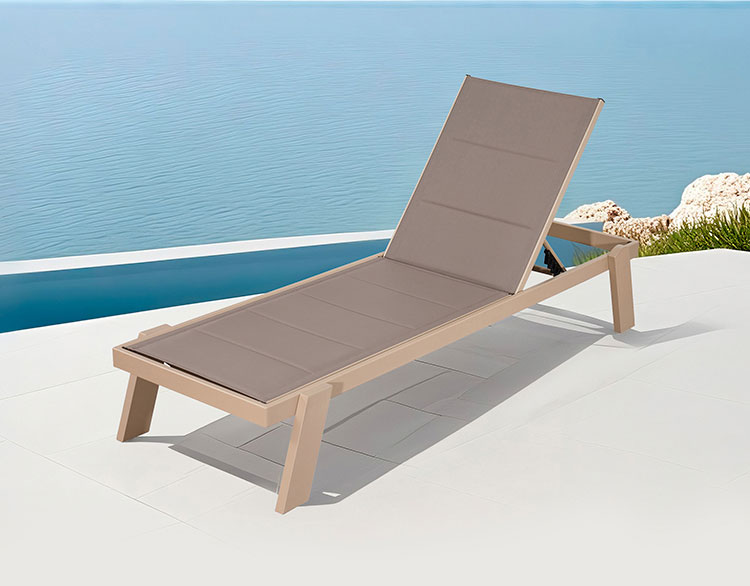
While the term waterproof sun lounger refers to weather-resistant properties, not strength directly, many of these loungers tend to be more durable due to their intended use. A waterproof design typically incorporates:
High-density frames (often metal or hardwood)
Weather-treated cushions with anti-sag properties
Rustproof components like stainless steel bolts or powder-coated steel
These features not only keep the lounger safe from the elements but often increase its ability to withstand higher weights.
Choosing for Your Specific Needs
Here’s a helpful way to estimate the weight rating you need:
Single adult, occasional use: 250–300 lbs
Daily use, heavier individuals: 350–400 lbs
Two people or shared seating: 500–600 lbs
Commercial or heavy-duty use: 600+ lbs
For a backyard sun lounger that will host multiple users (e.g., parents and kids, or guests at a party), go for the highest available rating within your budget.
Signs Your Lounger Isn’t Holding Up
It’s important to keep an eye out for warning signs that your lounger may be under strain:
Fabric begins to sag unnaturally
Frame creaks or flexes when shifting weight
Lounger wobbles when placed on a flat surface
Bolts loosen more frequently than expected
If you see any of these, it may be time to reinforce or replace the lounger—before a serious failure occurs.
_M6oaWJ.jpg)
_HXI8DI.jpg)
Beyond Capacity: Stability and Comfort
High weight ratings mean nothing if the lounger doesn’t feel stable. Stability and comfort go hand in hand when selecting a backyard sun lounger. Here’s what to look for:
Wider bases: They distribute weight more evenly.
Crossbars or multi-leg supports: Add structural integrity.
Ergonomic reclining mechanisms: Support shifting movements without putting stress on the frame.
When these features are combined with a strong weight rating, your lounger becomes a long-term investment in comfort and safety.
Proper Maintenance Extends Lifespan
Even a lounger rated for 500 lbs can fail prematurely if it’s not maintained properly. Follow these tips:
Store indoors or under a weatherproof cover when not in use
Wipe down metal parts to prevent corrosion
Tighten bolts regularly
Avoid standing or jumping on the lounger—even if it’s strong
This is especially crucial for waterproof sun lounger models. While designed to handle exposure, they’re not indestructible and benefit from routine care.
Comparing Loungers to Other Outdoor Furniture
When shopping for outdoor furniture, it helps to understand how loungers compare to chairs or benches:
Outdoor dining chair: Often rated for 250 lbs
Benches: Typically 400–600 lbs total weight
Sun loungers: Range from 250 to over 600 lbs depending on model
That means a quality outdoor sun lounger can often carry as much weight as an entire outdoor bench, making it a practical choice even beyond casual relaxation.
Final Thoughts
Weight capacity is more than a technical detail—it's a key part of ensuring safety, durability, and comfort. Whether you're buying for a personal retreat or furnishing a shared patio, be sure to verify the load rating before making a purchase. For maximum peace of mind, choose a model with a higher-than-necessary capacity, especially if it will see frequent use or host multiple users.
By choosing the right lounger with the right rating—and maintaining it properly—you’ll enjoy seasons of stress-free lounging in style and confidence.
READ MORE: