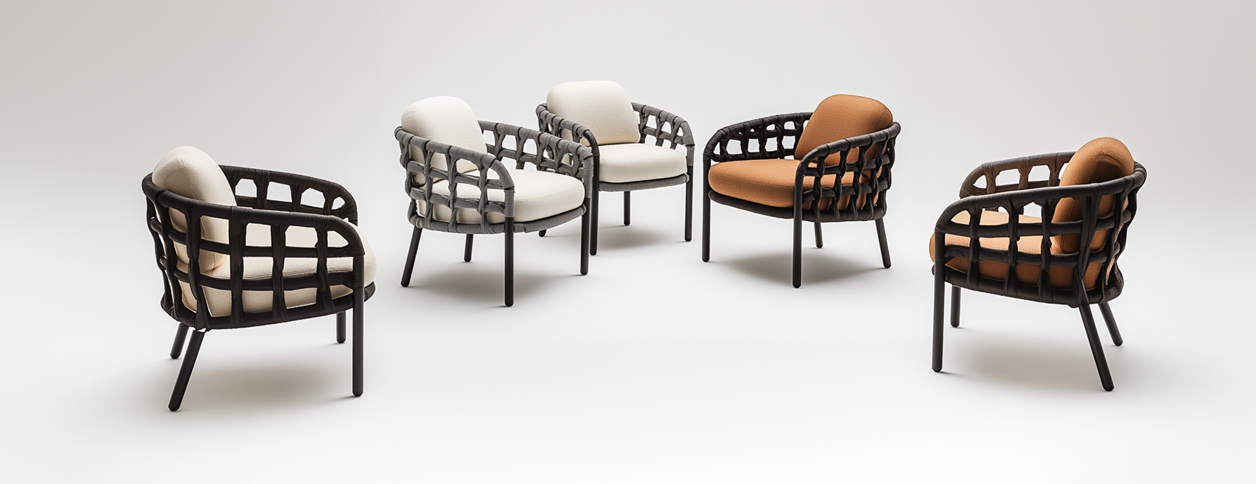
The comfort and convenience of reclining on an outdoor sun lounger during a sunny day is hard to beat. Whether you're sunbathing by the pool, napping on the deck, or reading in the garden, your lounger must be more than stylish—it must be strong. One of the most important features often ignored during purchase is the weight capacity. In this article, we’ll explore how much weight a typical sun lounger can hold, what affects that limit, and how to select the right lounger for your specific needs.
.jpg)
.jpg)
Understanding Weight Capacity
Weight capacity refers to the maximum load a lounger can bear while maintaining safety and structural integrity. Every outdoor furniture product, from chairs to benches to loungers, is designed with this limit in mind. Exceeding it can result in not only damage to the lounger itself but also potential injury to the user.
Unfortunately, many consumers make buying decisions based on design or price alone, unaware that low weight limits could drastically reduce the lifespan of their new purchase.
Standard Weight Ratings
Most standard outdoor sun loungers are rated to support between 250 and 330 pounds. These models are suitable for average-sized adults and occasional use. However, some manufacturers also offer heavy-duty options for people who require more strength and support.
In higher-end or commercial models, weight capacities can go up to 400, 500, or even 600 pounds. These are ideal for frequent or shared use, especially in hospitality environments like hotels, resorts, or beach rentals.
Key Materials That Influence Strength
The materials used in a backyard sun lounger determine how much weight it can hold. Let’s look at the most common materials and their general performance:
Plastic or Resin: Popular for affordability and weather resistance, but often with lower strength. Suitable for lighter individuals or occasional use, usually supporting around 220–250 pounds.
Aluminum: Lightweight and rust-resistant. These loungers typically support 300–350 pounds. A great balance between portability and strength.
Steel: Very strong but heavy. Steel-framed loungers often exceed 400 pounds of capacity and are ideal for long-term durability.
Hardwoods (like teak or eucalyptus): Known for superior load-bearing ability. Premium hardwood loungers can support up to 500 pounds and add a natural, elegant appearance to your space.
If you’re aiming for both durability and comfort, combining hardwood or steel frames with ergonomic design is often the best approach.
.jpg)
.jpg)
Design Elements That Support Heavy Loads
The lounger’s design impacts its strength as much as its materials. A high-capacity outdoor sun lounger should include:
Reinforced joints: Extra bracing or metal fittings help prevent structural failure.
Wide, balanced bases: More surface contact means better stability.
Strong reclining mechanisms: Multi-position frames should lock securely under weight shifts.
Quality fasteners: Bolts and screws should be corrosion-resistant and tightly secured.
These features help distribute weight evenly and prevent over-concentration of pressure, which could lead to bending or snapping.
Waterproof Loungers: More Than Just Weatherproof
While a waterproof sun lounger is designed primarily to resist the elements, its water-resistant construction often means it’s built more robustly than typical loungers. These designs typically use materials such as:
Rust-proof steel
Teak wood treated with sealant
All-weather synthetic rattan
Quick-dry, mold-resistant fabrics
This extra durability usually translates into higher weight capacities, making waterproof loungers a wise investment for outdoor areas exposed to sun, rain, and humidity.
Usage Scenarios and Choosing the Right Rating
Choosing a lounger based on its expected use will help you avoid costly replacements or repairs. Consider these usage scenarios:
Single, light use: If the lounger is used occasionally by one person, a 250–300 lb rating is sufficient.
Daily use or larger individuals: Opt for a rating of at least 350–400 lbs.
Shared lounging or family use: A capacity of 500 lbs or more is recommended.
Commercial or public settings: Always go for the highest possible rating (600+ lbs) to withstand varied, frequent use.
Overestimating the required weight capacity is never a bad idea—it adds both safety and durability.
.jpg)
.jpg)
Signs That a Lounger Is Under Stress
If a lounger is consistently supporting more than it should, you may notice the following signs:
Wobbling or unstable legs
Frame bending or warping
Loose bolts or fittings
Sagging cushions or fabric seats
Cracking sounds during use
These are all red flags that your lounger may not be safe to use and may require replacement or reinforcement.
Maintenance to Maximize Lifespan
Even the strongest backyard sun lounger benefits from regular care. Here are a few steps to ensure your lounger maintains its weight rating over time:
Clean the frame regularly to prevent rust and corrosion.
Keep it dry—use waterproof covers or store indoors during off-seasons.
Tighten all joints every month if used frequently.
Avoid placing it on uneven surfaces, which can put stress on certain legs.
Don’t use the lounger as a step or bench—it’s built for reclined weight distribution, not standing.
Even with high weight tolerance, misuse can drastically reduce a lounger’s effective lifespan.
Investing in Strength and Safety
With the variety of outdoor furniture available today, there’s no reason to settle for a product that doesn’t meet your needs. Instead of choosing based solely on aesthetics or initial cost, factor in strength, construction, and longevity. In the long run, a higher-quality lounger with a greater weight rating will prove to be more economical, safe, and satisfying.
Whether you're buying a waterproof sun lounger for your beach house or a stylish hardwood piece for the garden, always check the manufacturer's specifications. If they’re not provided, ask for them.
Final Words
Your outdoor space is meant to bring peace and relaxation. Choosing an outdoor sun lounger with the right weight capacity ensures that your time outside is as safe and comfortable as it is enjoyable. Go beyond looks and focus on structure, strength, and long-term value—your back (and your guests) will thank you.
READ MORE:
Weight Matters: How Much Load Can an Outdoor Sun Lounger Really Support?
What Weight Should Your Outdoor Sun Lounger Support? A Guide to Safe and Durable Seating
Weight Capacity Explained: How Strong Is Your Outdoor Sun Lounger?
How Much Weight Can an Outdoor Sun Lounger Handle? Safety, Strength, and Design Explained