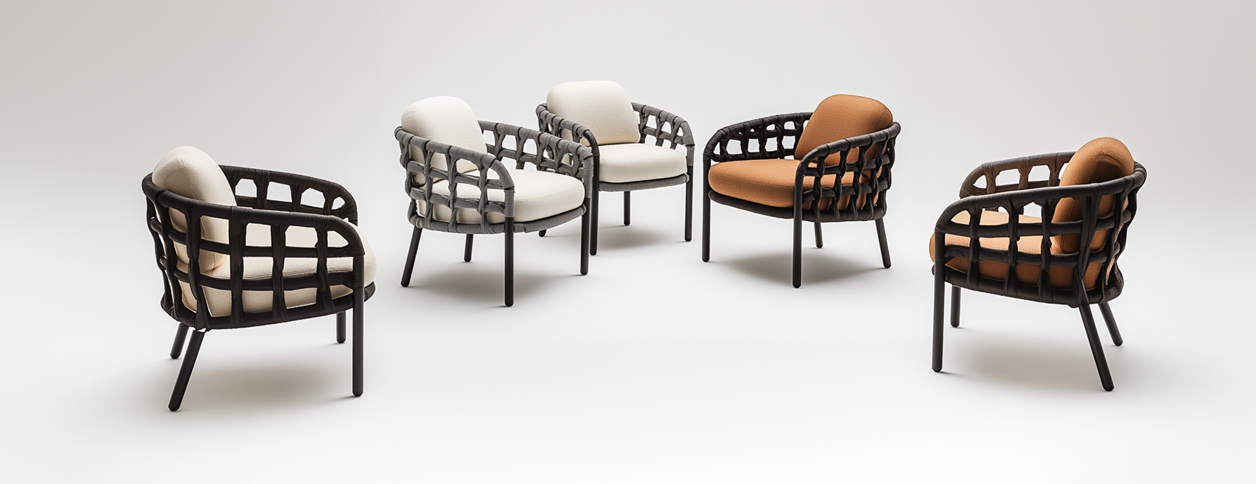
As the weather shifts from warm summer afternoons to chilly winter nights, your outdoor sun loungers require special care. Loungers left unprotected outdoors may suffer from snow, ice, and freezing temperatures, which can damage both frames and cushions. With proper preparation, however, you can safeguard your investment and enjoy your loungers for many years. Here’s a practical guide to winter storage for outdoor furniture.
.jpg)
.jpg)
Step 1: Clean Before You Store
The first step in storing any outdoor sun lounger is cleaning. Dirt, sunscreen, and food particles can stain fabrics and weaken materials if left unchecked. Use mild soapy water and a soft brush to scrub the frame and fabric. Rinse thoroughly and allow everything to dry. For metal loungers, apply a rust-prevention product; for wooden ones, use oil or sealant. A clean lounger ensures no mildew or unpleasant odors when spring returns.
Step 2: Ensure Complete Drying
Moisture is a leading cause of damage during storage. Even if you have a waterproof sun lounger, lingering moisture in cushions or crevices can lead to mold growth. After washing, let your loungers air dry completely. For best results, dry them in direct sunlight and double-check cushion seams and folding joints for hidden dampness.
Step 3: Select the Right Storage Environment
Whenever possible, store your loungers indoors. Garages, basements, and sheds offer reliable protection. If indoor storage isn’t possible, invest in high-quality protective covers for your backyard sun loungers. These covers should be waterproof, durable, and breathable to prevent trapped condensation. Avoid plastic tarps, as they encourage moisture buildup.
Step 4: Organize and Stack Properly
If you own several loungers, folding them down and stacking them conserves space. Always place fabric or padding between stacked units to prevent scratches and dents. For adjustable loungers, fold them into their most compact form. Careful stacking ensures stability and protects the frames of your outdoor furniture from bending or breaking.
_xaXhzt.jpg)
_Lt9FWY.jpg)
Step 5: Store Cushions Separately
Cushions need extra attention since they are highly vulnerable to cold weather. Bring them indoors, where temperatures are stable. Use airtight containers, storage bags, or vacuum-sealed options to keep them safe from pests and moisture. Even cushions from a waterproof sun lounger last much longer when stored indoors.
Step 6: Apply Material-Specific Protection
Different loungers require different protective treatments:
Wood: Treat with a protective oil or sealant to prevent cracking.
Metal: Spray with rust inhibitors to guard against corrosion.
Plastic: Use UV-resistant sprays to prevent fading and brittleness.
By applying these treatments, you extend the durability of your outdoor sun loungers significantly.
Step 7: Maintain Ventilation During Storage
Good airflow reduces the risk of mold, mildew, and odor. Avoid storing loungers directly on cold, damp concrete floors. Instead, place them on pallets or blocks to allow air circulation underneath. Keeping a small gap between loungers and walls also helps prevent condensation damage.
.jpg)
.jpg)
Step 8: Easy Setup in Spring
When spring arrives, your loungers should be in excellent condition. Simply uncover them, wipe down any dust, and replace the cushions. Thanks to proper winter storage, your backyard sun loungers will look fresh and feel comfortable without requiring major cleaning or repairs.
Conclusion
Caring for your outdoor sun loungers during winter doesn’t have to be complicated. Cleaning, drying, covering, and treating them with the right products will make a big difference. Cushions should always be stored separately indoors, while frames benefit from breathable covers or sheltered spaces. With just a little effort, your waterproof sun lounger will remain in perfect shape, ready to provide comfort as soon as warm weather returns. Proper storage is an investment that protects both your furniture and your outdoor living space.
READ MORE: