As temperatures drop and winter weather sets in, it’s important to prepare your outdoor sun loungers for storage. Snow, ice, and freezing rain can all damage frames, fabrics, and cushions if proper steps aren’t taken. With a little preparation, you can protect your investment, extend the lifespan of your outdoor furniture, and ensure your loungers are ready to use as soon as spring arrives.
.jpg)
.jpg)
Step 1: Clean Before Storing
The first step to winter storage is a thorough cleaning. Dirt, sunscreen, and food residue can weaken materials over time. Use a mild soap and water solution to scrub the frame and fabric. Wooden loungers may need a specialized wood cleaner, while metal frames should be treated with an anti-rust spray. By cleaning before storage, your outdoor sun lounger remains fresh and ready for use in the warmer months.
Step 2: Ensure Complete Drying
Never put your loungers into storage while damp. Moisture leads to mold, mildew, and corrosion. Even if you own a waterproof sun lounger, cushions and hidden joints can retain water. Allow loungers to air dry in direct sunlight, paying special attention to seams and folds. This step ensures your furniture stays odor-free and damage-free throughout the season.
Step 3: Find the Right Storage Location
The best option is always indoor storage. A basement, garage, or garden shed will protect your backyard sun loungers from snow, frost, and UV damage. If you don’t have indoor space, use heavy-duty covers designed for outdoor furniture. Look for covers that are waterproof yet breathable, preventing condensation from forming beneath the fabric. Avoid plastic sheets, which trap humidity.
Step 4: Stack and Fold with Care
If you own multiple loungers, fold them down to their smallest size and stack them neatly. Use towels or soft fabric between stacked units to prevent scratches and frame damage. Organizing your loungers in this way saves space and keeps them in good condition until warmer weather returns.
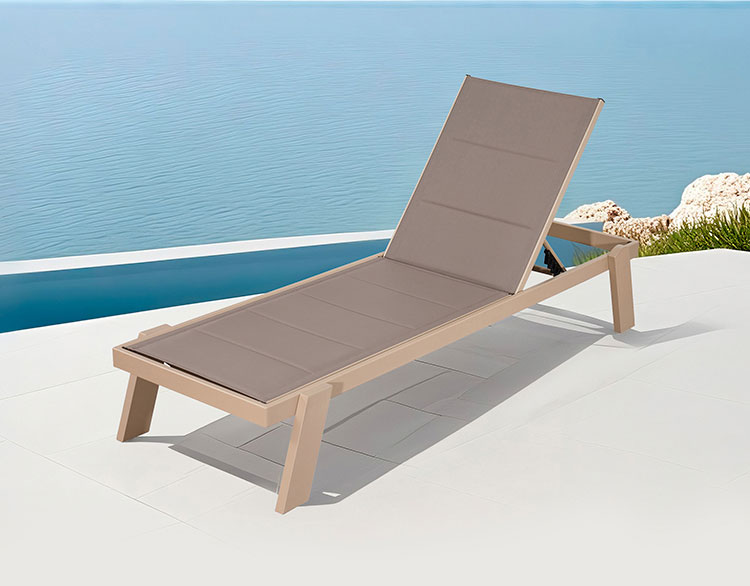
Step 5: Handle Cushions Separately
Cushions are the most vulnerable part of any lounger. Even when attached to a waterproof sun lounger, they are not designed to withstand freezing temperatures for long periods. Bring cushions indoors and store them in airtight containers or vacuum-sealed bags. This protects them from pests, dampness, and unpleasant odors.
Step 6: Apply Protective Treatments
Before storage, add a layer of protection according to the material type:
Wooden loungers: Apply oils or sealants to prevent splitting or cracking.
Metal loungers: Use rust-resistant coatings to reduce corrosion.
Plastic loungers: Apply UV-resistant sprays to prevent fading and brittleness.
This simple step ensures your outdoor sun loungers stay durable and attractive for years to come.
Step 7: Maintain Airflow Around Stored Loungers
Good ventilation is crucial. Avoid pressing loungers against damp walls or storing them directly on concrete floors. Elevate them on pallets or blocks to allow airflow beneath. Keeping air circulation around your backyard sun loungers reduces the risk of mold and mildew developing during the winter.
_2yj58N.jpg)
_JoO7km.jpg)
Step 8: Easy Spring Setup
When spring returns, simply remove covers, wipe down the frames, and reattach the cushions. Because you stored them properly, your outdoor sun lounger will be in excellent condition, requiring little effort to get back into use. With proper winter storage, you’ll avoid costly repairs and replacements.
Conclusion
Protecting your outdoor sun loungers in winter involves cleaning, drying, storing cushions indoors, and using breathable covers or sheltered spaces. By applying protective treatments and ensuring airflow, your backyard sun loungers will remain strong, stylish, and comfortable for many years. Whether you rely on a waterproof sun lounger or classic models, smart winter storage keeps your outdoor furniture in perfect condition and ready for another season of relaxation.
READ MORE: