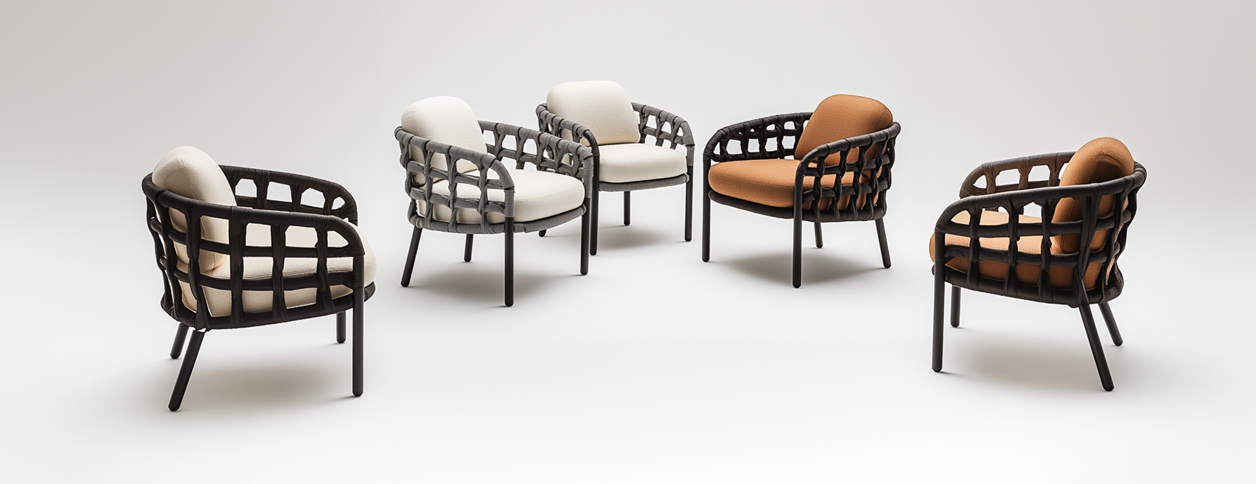
Few pieces of outdoor furniture capture the essence of relaxation as effectively as the outdoor sun lounger. Whether placed by the pool, on a patio, or nestled in a quiet corner of the garden, loungers provide the perfect spot to unwind. Yet one key decision divides homeowners: should you choose a wooden lounger or an aluminum lounger? Both options offer unique benefits in terms of style, durability, comfort, and maintenance. This article will take an in-depth look at the differences, helping you decide which is right for your lifestyle.
_uOzZkA.jpg)
_x8WDyz.jpg)
The Timeless Charm of Wooden Loungers
Wooden loungers carry an undeniable charm. Their natural grain, warm tones, and solid frames create an inviting atmosphere that aluminum cannot easily replicate. A backyard sun lounger made of teak, eucalyptus, or acacia blends effortlessly with lush greenery and stone pathways, making it the go-to choice for traditional or rustic backyards.
Teak is particularly prized because it contains natural oils that repel water and resist decay. With proper care, teak loungers can last decades, developing a graceful silver patina over time. This aging process is considered part of the wood’s beauty, adding depth and history to outdoor spaces.
However, wooden loungers are not maintenance-free. To retain their color and prevent cracks, owners must oil or seal them regularly. Without this care, exposure to sunlight and rain may cause fading, warping, or mildew. For those willing to commit to upkeep, wooden loungers provide unmatched elegance and longevity.
The Modern Practicality of Aluminum Loungers
Aluminum loungers represent modernity, convenience, and sleek design. Lightweight and durable, they are perfect for contemporary settings where functionality matters. Unlike wood, aluminum does not warp, crack, or attract pests, making it particularly suitable for humid or rainy environments.
A waterproof sun lounger with an aluminum frame offers excellent resistance to rust and moisture. Powder coating enhances durability, protecting the metal from scratches and UV damage. This makes aluminum loungers a smart choice for homeowners seeking low-maintenance furniture that can withstand the elements.
Another advantage is mobility. Aluminum loungers are easy to move, stack, and rearrange. Whether you want to follow the sun, reorganize seating for a gathering, or store loungers during the winter, aluminum offers effortless flexibility.
.jpg)
.jpg)
Comfort Considerations
Both wooden and aluminum loungers are designed with comfort in mind, but their approaches differ. Wooden loungers typically require thick cushions to soften their firm slatted bases. With high-quality cushions, they provide luxurious comfort and support for long hours of lounging.
Aluminum loungers often use sling fabrics or mesh seating, which contour to the body and offer natural ventilation. This makes them cooler to sit on during hot days and less dependent on extra cushions. For poolside use, where quick-drying features are essential, aluminum often has the edge.
Style and Aesthetics
Wooden loungers embody tradition and natural elegance. They pair beautifully with gardens, rustic patios, or tropical-inspired backyards. Aluminum loungers, in contrast, align with contemporary architecture and minimalist designs. Their clean lines and neutral finishes blend well with modern homes and urban outdoor spaces.
Both materials can be incorporated into cohesive designs when paired with other outdoor furniture. For example, a set of wooden loungers alongside a teak dining table creates a unified rustic look, while aluminum loungers combined with sleek glass tables emphasize a modern aesthetic.
Durability and Maintenance
Durability depends largely on climate and care. A teak backyard sun lounger can last for decades in dry climates if maintained, while aluminum excels in humid or coastal areas due to its rust resistance. Wooden loungers require seasonal treatments, while aluminum only needs occasional cleaning with a damp cloth.
A waterproof sun lounger made from aluminum is practically maintenance-free, while a wooden lounger requires ongoing attention. The trade-off is clear: wood offers unmatched natural character but demands effort, while aluminum provides convenience but less organic beauty.
Environmental Considerations
Sustainability is an increasingly important factor. Wooden loungers made from FSC-certified timber offer a renewable, eco-friendly option. Aluminum, while recyclable, requires a more energy-intensive production process. However, its long lifespan balances some of the environmental impact.
Eco-conscious homeowners may prefer wooden loungers if sustainability is a priority, but aluminum remains a responsible choice when considering its durability and recyclability.
.jpg)
.jpg)
Lifestyle and Usage
Your choice also depends on how you plan to use your loungers. If your backyard is a high-traffic area with frequent pool parties, aluminum may be more practical thanks to its low maintenance. A waterproof sun lounger can handle splashes, spills, and heavy use without damage.
If you value aesthetics, craftsmanship, and don’t mind the upkeep, wooden loungers bring warmth and sophistication. They are perfect for quieter backyards where design and natural integration matter as much as function.
Which Lounger Is Right for You?
Choose wooden loungers if you value timeless elegance, craftsmanship, and don’t mind regular upkeep. A wooden outdoor sun lounger adds character and ages gracefully with your backyard.
Choose aluminum loungers if you prefer sleek modernity, mobility, and minimal maintenance. A waterproof sun lounger made from aluminum provides practical comfort year-round.
Conclusion
The debate between wooden and aluminum loungers highlights a balance between tradition and modernity. Wooden loungers offer warmth, charm, and a sense of luxury, while aluminum delivers practicality, resilience, and contemporary appeal.
Ultimately, the choice depends on personal preference, lifestyle, and climate. For some, a backyard sun lounger in wood provides the perfect blend of nature and design. For others, the efficiency of a waterproof sun lounger in aluminum makes it the smarter choice.
Either way, the outdoor sun lounger remains the ultimate symbol of relaxation and an indispensable piece of outdoor furniture for backyards in 2025.
READ MORE: