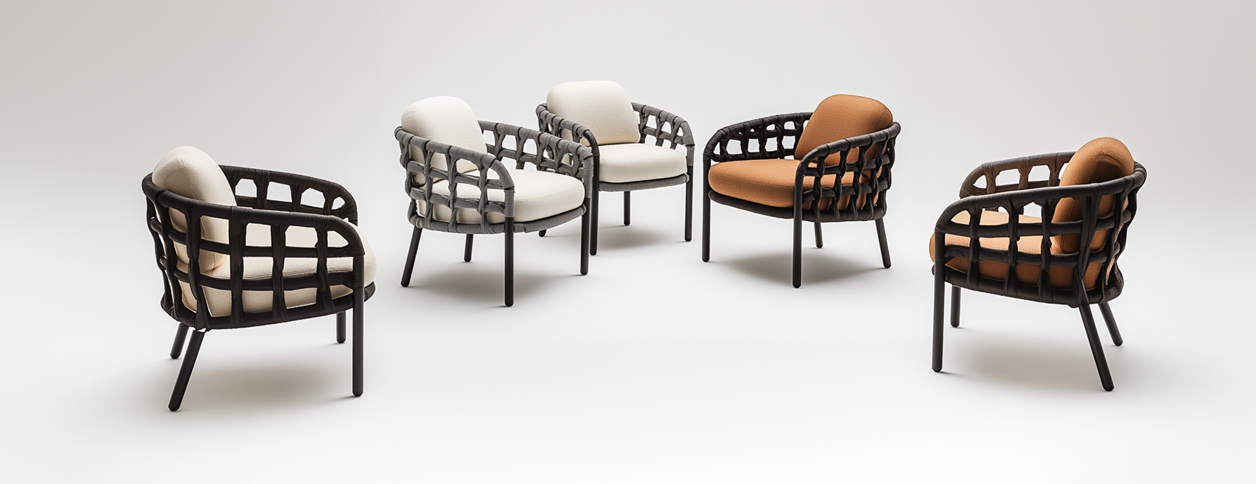
Outdoor living has become a defining element of modern lifestyles, and at the heart of this transformation is the outdoor sun lounger. No longer just a reclining chair by the pool, the sun lounger has evolved into a stylish and functional piece of outdoor furniture that reflects broader trends in comfort, design, and sustainability. In 2025, new styles are dominating the market, offering homeowners the opportunity to create personalized spaces that balance luxury and practicality.
_dO6SBb.jpg)
_8yF7u1.jpg)
Minimalist and Modern Loungers
Minimalism remains one of the strongest influences in outdoor design. Homeowners are drawn to clean lines, slim profiles, and uncluttered aesthetics. Aluminum-framed loungers with neutral-toned cushions are particularly popular, as they combine lightness, durability, and sophistication.
This style is versatile, fitting seamlessly into both large backyards and compact patios. A backyard sun lounger designed with minimalist principles offers elegance without overwhelming smaller spaces. The popularity of this trend lies in its ability to complement a wide variety of architectural styles, from modern glass houses to suburban family homes.
Resort-Inspired Loungers for Luxury at Home
As more people seek to bring vacation vibes into their homes, resort-inspired loungers have become a must-have. These oversized loungers, often featuring canopy shades or double-wide frames, mimic the indulgent seating found at luxury hotels.
Cushions with plush padding, paired with waterproof sun lounger technology, make these designs both comfortable and practical. They are especially popular among homeowners who see their poolside as an entertainment hub for guests. Resort-style loungers redefine backyards as personal retreats, merging comfort with elegance.
Wooden Loungers with Eco-Friendly Appeal
Sustainability continues to influence consumer choices, and wooden loungers remain a staple in eco-conscious backyards. Materials like teak, eucalyptus, and acacia, when sourced responsibly, provide timeless beauty while minimizing environmental impact.
These loungers often feature natural finishes that showcase the wood’s grain, adding warmth and authenticity. A backyard sun lounger in teak not only lasts for decades with proper care but also develops a silver-gray patina that enhances its character over time.
While they require seasonal maintenance—oiling, sealing, or covering during harsh weather—their charm and durability ensure they remain highly desirable in 2025.
_rHiOc6.jpg)
_7fJHq9.jpg)
Lightweight Aluminum and Mesh Loungers
Aluminum loungers are trending for their practicality and sleek design. Lightweight yet sturdy, they are easy to move and rearrange, making them ideal for versatile outdoor spaces. When paired with mesh or sling fabrics, they offer breathability and quick-drying qualities, especially important for poolside setups.
A waterproof sun lounger constructed with aluminum frames resists rust and fading, ensuring durability in humid or coastal climates. Their modern, minimalistic appeal aligns with the growing demand for stylish yet low-maintenance options.
Personalization Through Fabrics and Colors
Another strong trend in 2025 is personalization. Homeowners are choosing bold fabrics and vibrant colors to make loungers reflect their individual style. From tropical prints to earthy tones, cushions are now seen as opportunities for creativity rather than afterthoughts.
Coordinating loungers with other outdoor furniture such as umbrellas, side tables, and dining sets creates a cohesive look. This trend emphasizes the importance of harmony across backyard spaces, transforming them into curated experiences rather than just functional areas.
Smart Loungers with Integrated Features
Technology is finding its place in outdoor living, and loungers are no exception. Smart sun loungers with solar panels, built-in Bluetooth speakers, USB charging ports, and retractable canopies are becoming popular among tech-savvy homeowners.
These innovations make the outdoor sun lounger more than just seating—it becomes a relaxation hub where convenience and leisure coexist. As work-from-home lifestyles persist, loungers that double as outdoor workspaces with device-charging capabilities are especially appealing.
.jpg)
.jpg)
Multi-Functional and Modular Loungers
Flexibility is key in modern outdoor design. Modular loungers that can be rearranged into seating areas, daybeds, or even sectional arrangements are gaining popularity. Double and family-sized loungers also reflect the shift toward social outdoor living, allowing multiple people to relax together.
This versatility makes loungers adaptable to changing needs, whether it’s hosting a party, reading alone, or spending time with family.
The Role of Loungers in Backyard Design
The choice of lounger can dramatically influence the overall design of a backyard. A sleek aluminum lounger complements modern landscaping, while a rustic wooden lounger integrates naturally into gardens. In many cases, the lounger serves as the focal point of outdoor design, dictating the style and atmosphere of the space.
A well-chosen backyard sun lounger not only provides comfort but also enhances the aesthetic and functional appeal of outdoor living areas.
Conclusion
In 2025, the outdoor sun lounger reflects the evolving nature of outdoor living. From minimalist aluminum frames to eco-conscious wooden designs, from resort-inspired luxury loungers to smart, multifunctional innovations, there is a style for every lifestyle and preference.
Whether you prefer the timeless beauty of wood, the sleek practicality of aluminum, or the indulgence of resort-inspired daybeds, today’s loungers combine comfort, durability, and style. A waterproof sun lounger ensures resilience, while personalization through fabrics and accessories makes each setup unique.
As a core piece of outdoor furniture, the lounger is no longer just a chair—it is a statement of lifestyle, design, and the art of relaxation.
READ MORE: