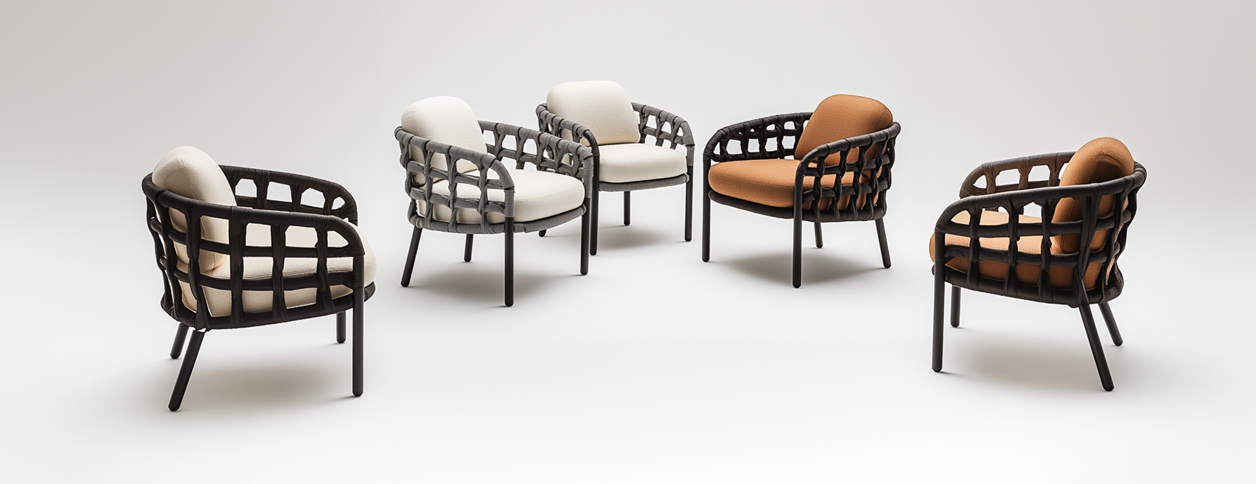
Your outdoor sun lounger is more than just a place to lie down—it’s your personal retreat in the open air. Whether it lives poolside, on your patio, or nestled in a garden corner, this essential piece of outdoor furniture deserves the same level of care you’d give to indoor items. With proper maintenance and cleaning, your lounger can look great and perform well for years. Fortunately, the upkeep is easier than you might think. This article outlines simple, effective strategies to help you maintain and clean your backyard sun lounger with minimal hassle.
.jpg)
.jpg)
Start with the Right Tools
The first step to easy maintenance is assembling the right supplies. Most loungers don’t need expensive cleaning agents or equipment. Basic items include:
A soft-bristle brush
Microfiber cloths
Dish soap or gentle cleanser
White vinegar and baking soda
A garden hose or bucket of water
These tools are gentle on materials and powerful enough for routine cleaning.
Create a Weekly Cleaning Routine
Keeping your outdoor sun lounger clean doesn’t require a lot of time. A weekly wipe-down prevents grime buildup and maintains a fresh appearance.
Dust Off Debris: Use a dry cloth or handheld vacuum to remove dust, pollen, and leaves.
Wash Gently: Mix warm water with a few drops of dish soap and use a sponge to clean the surfaces.
Rinse Well: Remove all soap residue using a hose or clean water.
Dry Completely: Allow the lounger to air dry, which helps avoid mold, even on waterproof sun lounger models.
This routine is especially important during high-use months or in humid climates.
Seasonal Deep Cleaning
In addition to weekly care, a deeper clean every season prepares your lounger for changing weather and prolonged use.
Inspect the Frame: Look for signs of rust on metal or cracks in wood and plastic.
Clean Cushions Thoroughly: Remove fabric covers for machine washing or use a vinegar spray for spot treatment.
Use a Brush for Crevices: Clean hard-to-reach areas with a toothbrush or small scrub brush.
Air Dry in Sunlight: Let every part dry naturally to kill bacteria and mold.
This refresh restores comfort and visual appeal to your lounger before and after each season.
Protecting from the Elements
Outdoor loungers are built to handle some exposure, but prolonged contact with sun, rain, or snow can wear down even the toughest materials. Protect yours with these strategies:
Invest in a Cover: A waterproof, UV-resistant cover protects against fading and moisture.
Store in Covered Areas: During heavy rain or winter months, store the lounger in a garage or shed.
Elevate from Ground: Keep your backyard sun lounger off grass or soil to prevent rot or moisture absorption.
Use UV-Protectant Sprays: Especially useful for plastic frames and waterproof sun lounger fabrics.
Proactive protection significantly reduces long-term maintenance needs.
.jpg)
.jpg)
Care Tips Based on Material
Different materials require different care techniques. Here’s a breakdown for the most common types of loungers:
Wood (Teak, Acacia): Oil once or twice a year to maintain color and moisture resistance.
Aluminum or Steel: Rinse off salt or dirt and use rust inhibitors as needed.
Plastic or Resin: Clean with soap and water; avoid harsh abrasives that can scratch.
Fabric or Mesh: Hand wash or use gentle machine cycles for removable covers. Use mildew spray for waterproof materials that remain outdoors.
These targeted care methods keep your lounger sturdy and attractive.
Cushion Maintenance
Cushions add softness and style but are the most vulnerable part of your lounger setup. To maintain them:
Remove and Store When Wet: Don’t leave wet cushions outside overnight.
Dry After Cleaning: Make sure cushions are 100% dry before using or storing.
Use Cushion Storage Bags: These prevent dust and pests from reaching stored fabric.
Flip Regularly: Rotating cushions helps them wear evenly and avoid sagging.
Even waterproof sun lounger cushions benefit from routine drying and rotation.
Handling Mold and Stains
Even well-maintained loungers can fall prey to mold, mildew, or stubborn stains. Tackle them with these eco-friendly solutions:
Mold Treatment: Mix equal parts vinegar and water, spray on moldy areas, let sit for 15 minutes, scrub lightly, and rinse.
Fabric Stains: Use a baking soda paste on tough spots and rinse thoroughly.
Frame Discoloration: For plastic or metal, a mix of water and lemon juice can help brighten faded areas.
These natural methods are safe for your lounger, your skin, and the environment.
_uOzZkA.jpg)
_x8WDyz.jpg)
Keep it Functional and Safe
Maintenance isn’t only about appearance—it’s also about safety and comfort. Regularly inspect your lounger for:
Loose Bolts or Screws: Tighten monthly to ensure stability.
Cracked Legs or Supports: Replace parts as soon as you spot damage.
Slippery Surfaces: Especially on waterproof sun loungers, ensure the surface remains non-slippery when wet.
Addressing small issues early helps you avoid bigger problems later.
Easy Maintenance Schedule
Here’s a quick reference for ongoing care:
Weekly: Wipe down surfaces, clean spills, check for dirt.
Monthly: Inspect for damage, rotate cushions, touch up paint if needed.
Seasonally: Deep clean, oil wood, treat mold, store or reposition.
After Rain: Dry thoroughly, clean water spots, store cushions.
By integrating care into your regular routine, you’ll extend the life of your outdoor furniture effortlessly.
Conclusion
Keeping your outdoor sun lounger clean and well-maintained doesn’t have to be a chore. With minimal effort, you can enjoy a backyard sun lounger that’s always ready to offer comfort and style. From using natural cleaning agents to applying protective covers and rotating cushions, these simple habits make a big difference. Whether you own a modern waterproof sun lounger or a classic wooden model, treating it with care ensures it continues to enhance your outdoor space for seasons to come.
READ MORE: