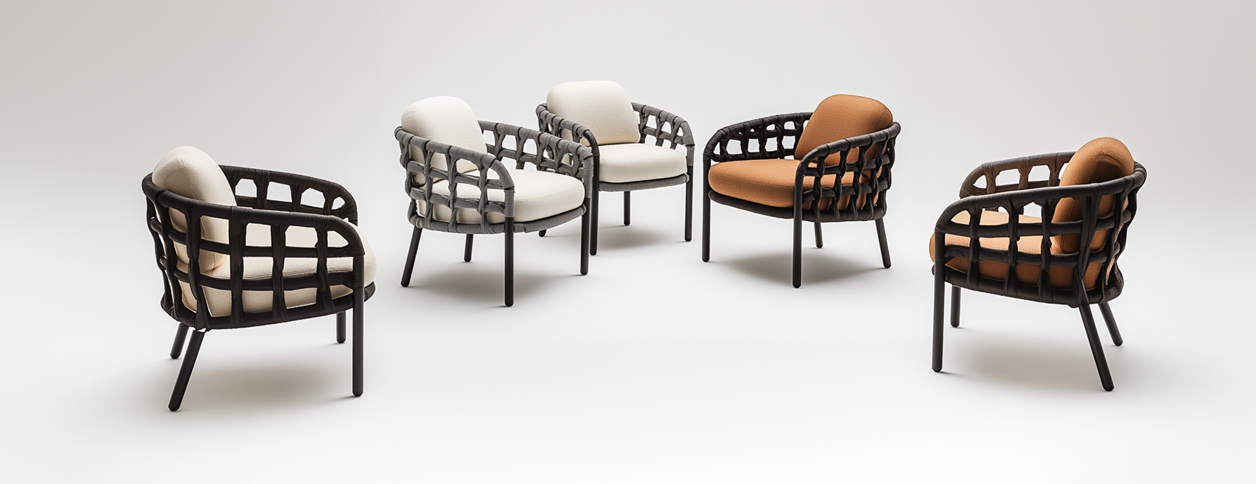
Outdoor spaces are no longer just about aesthetics—they’re now about comfort, functionality, and lifestyle. And few pieces of outdoor furniture symbolize relaxation as clearly as the outdoor sun lounger. Whether you’re looking to tan in the sun, enjoy a good book, or take an afternoon nap, choosing the right lounger can significantly enhance your experience. But with so many styles, materials, and features available, how do you choose a comfortable option? This guide walks you through everything you need to know to find the perfect backyard sun lounger for your space and preferences.
.jpg)
.jpg)
Start with the Intended Use
The first step is defining how you plan to use your outdoor sun lounger. Not all loungers are designed for the same types of activities:
For Sunbathing: Choose a lounger that reclines fully and has UV-resistant fabric.
For Reading: Look for a model with multiple adjustable settings and armrests.
For Poolside Relaxation: A waterproof sun lounger is a must to handle splashes and humidity.
For Napping or All-Day Comfort: Prioritize cushioning and breathable fabrics.
Understanding your main use case will help narrow your options significantly.
Evaluate Ergonomics and Comfort
Comfort is subjective, but a well-designed lounger should support your body naturally. Here's what to look for:
Adjustable Recline Angles: Allow you to find the most relaxing position.
Curved Frames: These support your back and legs in a more natural posture.
Padded or Sling Surfaces: Sling loungers conform to your body, while padded ones offer soft support.
If possible, test a few loungers in-store to see which shape suits you best. If shopping online, check product reviews for insights on comfort.
Compare Frame Materials
The frame is the backbone of your lounger, and its quality directly affects comfort, longevity, and aesthetics. Here are common options:
Aluminum: Lightweight and corrosion-resistant. Great for contemporary settings.
Wood (e.g., Teak, Eucalyptus): Offers natural beauty and durability. Needs occasional maintenance.
Steel: Strong but heavier. Look for powder-coated finishes to resist rust.
Synthetic Rattan: Stylish and weather-resistant, often used in upscale outdoor furniture.
A wood-framed backyard sun lounger brings warmth and charm, while aluminum or rattan offers a sleeker, modern appeal.
Choose the Right Cushioning
A major comfort factor is the lounger’s cushion. Without it, even the best frame design can feel harsh after a short while.
Foam Density: High-density foam maintains its shape and provides firm support.
Quick-Dry Foam: Perfect for wet areas or poolside use.
Removable Covers: Easier to clean and replace when needed.
Fabric Quality: Choose water-resistant and UV-resistant materials to prevent mold and fading.
Many waterproof sun lounger models come with cushions designed specifically for outdoor conditions, making them both practical and plush.
.jpg)
.jpg)
Confirm Waterproof Capabilities
Not every outdoor sun lounger is designed for wet environments. If your lounger will be near a pool, hot tub, or left in the rain, you’ll want specific features:
Sealed Cushions: Prevent water from soaking in.
Drainage Design: Frames and cushions that allow water to escape.
Mold and Mildew Resistance: Important in humid climates.
A good waterproof sun lounger reduces maintenance and extends the furniture’s life, especially in unpredictable weather.
Size and Weight Considerations
Comfort isn’t just about padding—it’s also about fit. Choose a lounger that suits your height, weight, and available space.
Length: A standard lounger is around 72–78 inches. Taller individuals may need extended-length models.
Width: Narrow loungers save space, but wider models offer more comfort.
Weight Capacity: Check the maximum load supported, especially for heavier users or wooden frames.
Portability: If you like to move your lounger, choose a model with wheels or one that folds easily.
The best backyard sun lounger for you will strike a balance between personal comfort and practical placement.
Match Style with Other Outdoor Furniture
While comfort is key, your lounger should still harmonize with the rest of your décor. Think of it as part of your outdoor design ecosystem.
Modern Loungers: Often pair well with metal or concrete accents.
Rustic Loungers: Teak and other woods fit beautifully with gardens and stone features.
Beach Vibe: Woven rattan and light-colored cushions complete a coastal theme.
A stylish outdoor sun lounger can become the centerpiece of your patio or deck if chosen thoughtfully.
Consider Storage and Maintenance
A great lounger isn’t just comfy—it’s convenient. Maintenance and storage often go overlooked but play a major role in long-term satisfaction.
Foldable Designs: Easy to store during off-season months.
Stackable Models: Save space for families or hosts with multiple loungers.
Protective Covers: Shield your lounger from dirt, sun, and rain when not in use.
Easy-to-Clean Materials: Look for surfaces and fabrics that wipe down easily with soap and water.
For a low-maintenance lifestyle, choose a waterproof sun lounger with fade-resistant fabrics and rust-proof frames.
.jpg)
.jpg)
Think Long-Term
Your outdoor furniture is an investment. Instead of going for the cheapest option, consider how the lounger will hold up over time.
Warranty Coverage: Many quality loungers come with extended warranties.
Replaceable Parts: Some high-end brands offer replacement slings or cushions.
UV Protection: Keeps the fabric from fading after constant sun exposure.
Choosing a durable model may cost more upfront but can save you money and frustration down the road.
Final Thoughts
Comfort is the cornerstone of any great outdoor space, and a well-chosen outdoor sun lounger can make all the difference. Whether you’re aiming for an elegant backyard retreat or a practical poolside setup, focusing on ergonomics, materials, and waterproof features will lead you to the best fit. With careful selection, your backyard sun lounger will not only look good but also provide years of relaxation and joy.
READ MORE: