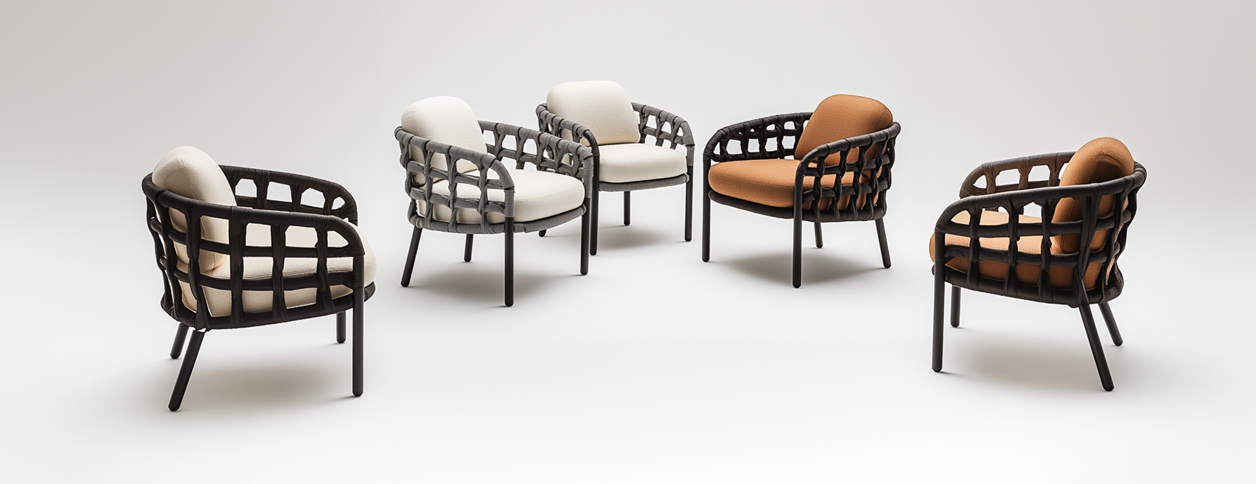
For beach lovers, comfort isn’t a luxury—it’s a necessity. Whether you're planning a quiet solo getaway or a family day by the sea, a high-quality outdoor sun lounger can be the difference between a day well spent and a sore back. Unlike loungers made for patios or pool decks, beach loungers need to be rugged, portable, and weather-resistant.
So what should you look for in the perfect beach lounger? This article outlines the essential features, materials, and practical tips to help you choose a waterproof sun lounger that works as hard as you relax.
_9cmUp1.jpg)
_qR0MNJ.jpg)
What Sets a Beach Lounger Apart
While a backyard sun lounger can sit pretty in a shaded garden or under a pergola, the beach is a far more demanding environment. Between the hot sun, salty air, sandy terrain, and exposure to water, any lounger that’s not built for the beach will quickly show signs of wear.
The ideal beach lounger should be designed for:
Easy transport across soft sand
Resistance to corrosion from salty air
Rapid drying after contact with water
Stability on uneven surfaces
Lightweight construction for carrying
Simply put, not all outdoor furniture can survive the beach—but a beach-specific lounger can thrive in it.
Materials That Matter
Choosing the right materials will directly affect the longevity and comfort of your lounger. Here’s what to prioritize:
Aluminum: It’s lightweight, doesn’t rust, and holds up well under beachside conditions. Aluminum frames are easy to carry and can support significant weight.
Resin or plastic: These are fully waterproof and extremely easy to clean. They're great for families with kids and frequent beachgoers looking for something durable.
Textilene or mesh fabric: These materials are breathable and dry quickly, making them perfect for damp conditions and hot climates. They’re also resistant to mold and mildew.
HDPE (high-density polyethylene): Used in high-end outdoor furniture, HDPE combines strength, weather resistance, and sustainability.
For true water resistance, make sure the fabric or structure is labeled as a waterproof sun lounger and is suitable for marine or beach environments.
Design Features for Maximum Beach Comfort
To fully enjoy a beach lounger, it needs to offer more than just a place to sit. Comfort and adjustability are key. Look for models with:
Adjustable backrests for different reclining positions
Padded headrests or removable cushions
Wide feet or legs that don’t sink into the sand
Built-in armrests for extra support
Foldability for easy transport
An adjustable lounger allows you to switch from reading to sunbathing to napping with ease, all while staying supported.
.jpg)
.jpg)
Portability Is Essential
Since you’ll likely be carrying your lounger from the car to your beach spot, portability matters. Look for loungers that:
Fold flat in seconds
Weigh less than 15 pounds
Include carry handles or backpack-style straps
Come with their own travel bag
Even the most comfortable outdoor sun lounger won’t be useful if it’s too heavy or awkward to bring along.
Ideal for Different Beachgoers
The best lounger for you depends on how you use it and what you value most. Here are some use-case recommendations:
For casual sunbathers: Go with a basic folding lounger with mesh fabric and aluminum frame—lightweight and breathable.
For luxury seekers: Choose a padded, multi-position lounger with extra features like cup holders and shade attachments.
For families: A sturdy resin or plastic lounger with washable surfaces is ideal for easy clean-up and durability.
For older adults: Pick a lounger that’s higher off the ground for easy access and has firm support.
For travel enthusiasts: Look for an ultralight model with a compact fold and travel-ready features.
Lounger Extras Worth Considering
While not essential, some features greatly enhance the beach lounging experience:
Canopies or sunshades to protect from direct sun
Pockets or storage pouches for personal items
Clip-on accessories like towel bars or phone holders
Cooling gel cushions for added comfort
These extras can turn your standard lounger into a full-on seaside relaxation station.
_qljn6b.jpg)
_oRFxNo.jpg)
Cleaning and Maintenance Tips
Even the most weather-resistant backyard sun lounger can benefit from a little care after a beach trip. Here are some maintenance tips:
Rinse off any salt and sand with fresh water
Dry completely before storing
Store indoors or in a shaded space when not in use
Inspect hinges and screws for wear or rust
Routine maintenance ensures that your waterproof sun lounger lasts for years of beach trips.
Final Thoughts
The perfect outdoor sun lounger for the beach is one that’s portable, weatherproof, adjustable, and built for comfort. Whether you want to bask in the sun, read a novel by the shore, or nap with the sound of waves in the background, the right lounger makes it all more enjoyable.
With countless options available, take time to match your needs with features and materials designed to handle beach life. Once you find the right fit, every beach day will feel like a vacation—no resort required.
READ MORE: