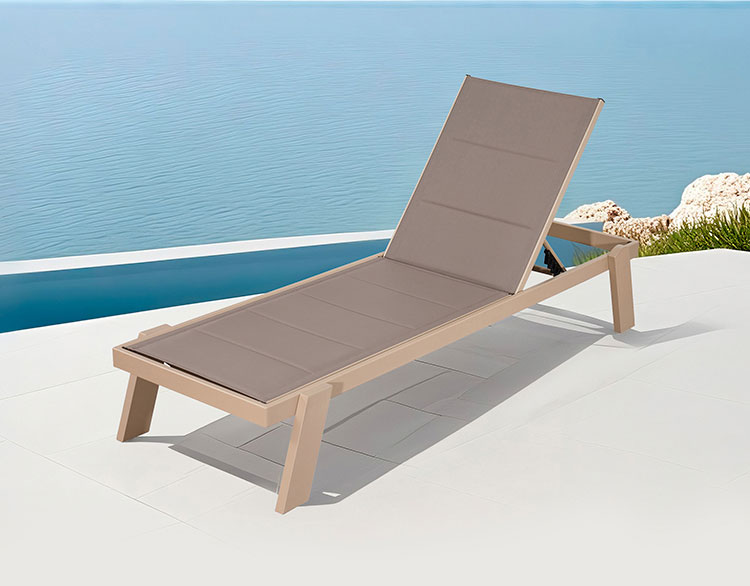
An outdoor sun lounger offers an ideal space to unwind, read a book, or catch some rays. However, even the most stylish lounger can fall short in the comfort department without a few thoughtful adjustments. Whether you own a minimalist sling chair or a cushioned backyard sun lounger, enhancing comfort doesn't necessarily require a brand-new purchase.
This guide walks you through practical, affordable, and creative ways to transform your outdoor sun lounger into a luxurious, supportive relaxation haven.
_cjjqap.jpg)
_Wo0s3h.jpg)
Start with a Quality Base
Before diving into accessories or upgrades, assess your existing lounger. Is the frame sturdy? Does it recline smoothly? Is the fabric breathable and supportive? If you find that your lounger creaks, wobbles, or has worn fabric, you may need to consider an upgrade or repair.
A stable, well-designed base is essential. If you’re still shopping, opt for models made with ergonomic designs and quick-drying materials, such as mesh or textilene.
Add Cushions or a Padded Lounger Topper
One of the easiest ways to enhance comfort is to invest in a thick, weather-resistant cushion or topper. Many waterproof sun loungers are sold with cushions, but even if yours wasn’t, you can find universal options that strap into place.
Choose outdoor-rated foam or padding encased in UV- and water-resistant fabric to ensure longevity. Memory foam is excellent for pressure relief, while polyester fill offers more softness.
Make sure the cushion:
Fits your lounger’s length and width
Is easily removable for cleaning
Dries quickly to prevent mold and mildew
Upgrade the Headrest and Lumbar Support
Even the best backyard sun lounger can benefit from added neck and back support. Adjustable or detachable pillows that cradle the head or lower back can make long sessions much more pleasant.
Consider using:
Cylindrical pillows or bolsters for the neck
Contoured lumbar cushions for back support
Gel or cooling inserts for hot climates
Some lounger models come with adjustable headrests, but if yours doesn’t, a detachable travel pillow or towel-wrapped cushion can work just as well.
Add a Breathable Towel or Fabric Layer
Sometimes, a cushion alone doesn’t do the trick—especially in hot weather. Laying a soft, breathable cotton towel or fitted terry cloth slipcover over your outdoor sun lounger can add a layer of softness and help regulate body temperature.
This is especially useful for waterproof sun loungers that can retain heat. Towels can also absorb moisture and prevent your skin from sticking to synthetic fabrics.
Pick materials that:
Wick away moisture
Feel soft against bare skin
Are machine washable and easy to dry
Adjust Recline Angles Frequently
To maximize your comfort, use all of your lounger’s reclining positions throughout the day. Shift from sitting upright while reading to lying flat while sunbathing. This reduces tension on your back and avoids staying in one posture for too long.
If your outdoor furniture lacks multiple recline settings, consider upgrading to a model that does. Versatility is key to long-lasting comfort.
Keep Shade and Temperature in Check
Overheating is a major discomfort factor. Lounging in direct sun without protection can quickly turn relaxing into exhausting. Add a shade element to your setup for better temperature control:
Clip-on umbrellas
Built-in canopies
Large beach umbrellas angled over the lounger
Some loungers even come with integrated sunshades—an excellent option for frequent users.
Don’t forget about your feet! Keeping a small towel or mat underneath your feet can prevent burning if your lounger frame heats up under the sun.
_9jtlOv.jpg)
_PjyRe6.jpg)
Incorporate Accessories for Full Comfort
Your outdoor sun lounger can become a personal paradise with a few added accessories:
Side table or tray: Keep drinks, snacks, or a book within reach.
Cup holder: Some loungers include these; others can be added.
Bluetooth speaker: For music or guided relaxation.
Cooling mist fan: Great for hot days by the pool or in the garden.
Eye mask and blanket: For a full-on nap experience.
Think about what helps you relax indoors, and find outdoor-friendly versions to complete your setup.
Keep It Clean and Maintained
Comfort isn’t just about how soft or supportive your lounger feels—it’s also about cleanliness. Dust, pollen, or sunblock residue can make even a high-end lounger uncomfortable. Regularly clean your outdoor furniture with mild soap and water.
Store cushions and pillows when not in use, or use a weatherproof cover to protect your lounger from UV and rain damage. A fresh, dry lounger is always more inviting.
Customize for Your Body and Preferences
No two people lounge the same way. Take time to figure out what your body needs most. Do your legs ache? Elevate them with a small cushion. Do you like to nap? Choose a lounger that lies completely flat and supports your back evenly.
Personal comfort may involve adjusting:
Pillow height
Cushion firmness
Lounger position
Ambient noise (music or quiet)
Experiment until you find the setup that relaxes your body fully.
Final Thoughts
Enhancing the comfort of your outdoor sun lounger is less about replacing it and more about thoughtful upgrades. With the right mix of cushions, positioning, shade, and accessories, even a basic backyard sun lounger can rival a luxury chaise.
As more people turn to outdoor spaces for rest and leisure, investing in comfort becomes a small yet impactful step toward better quality of life. Whether you're relaxing after a swim or reading under the sky, a more comfortable lounger means more time spent doing what you love.
READ MORE: