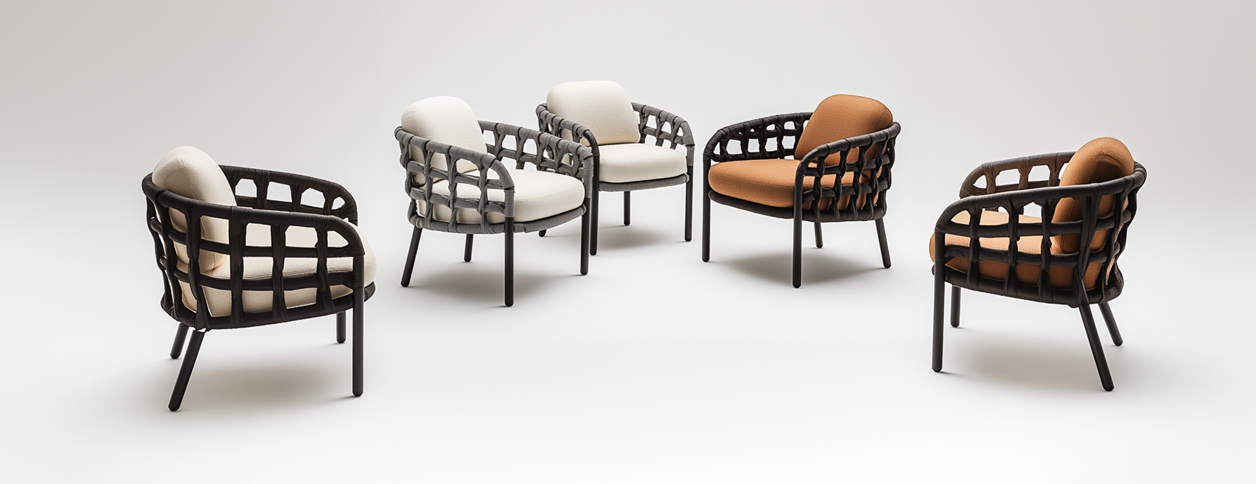
A reclining outdoor sun lounger is one of the most versatile pieces of outdoor furniture you can own. It’s perfect for sunbathing, relaxing with a book, or even catching a nap by the pool or in your garden. But with so many designs on the market, how do you know which features truly matter? Buying a lounger isn’t just about aesthetics—it’s about comfort, durability, and functionality.
This article explores the essential features to look for when shopping for a reclining outdoor sun lounger, ensuring your choice provides both style and comfort for years to come.
.jpg)
.jpg)
Adjustable Recline Mechanism
The defining feature of a reclining lounger is its ability to adjust into multiple positions. Whether you want to sit upright to read or lie flat for tanning, the recline system should be smooth and stable.
Look for loungers with:
Multiple locking positions
Easy-to-use adjustment levers
Stable support in every angle
Recline options that go fully flat
A backyard sun lounger with versatile adjustments will suit a wider range of uses, making it more practical than one with limited settings.
Comfort and Cushioning
Comfort should be a top priority. Many loungers come with padded cushions or mesh materials designed for ergonomic support. Cushions should be removable for cleaning and weather-resistant.
Ideal cushioning features include:
UV- and water-resistant fabrics
Quick-drying foam
Detachable covers
Straps or ties to keep cushions secure
Even a waterproof sun lounger benefits from additional padding, so choose a model that balances durability with comfort.
Durable Frame Materials
The frame is the backbone of any lounger. It must withstand outdoor conditions while supporting body weight comfortably.
Top material choices include:
Aluminum: Lightweight, rustproof, and easy to move
Steel (powder-coated): Strong but heavier, with protective coating against corrosion
Wood (like teak or acacia): Classic aesthetic, but requires maintenance
Resin/HDPE: Waterproof, fade-resistant, and durable
If you want a lounger that will last, especially near pools or beaches, opt for a waterproof sun lounger with aluminum or resin construction.
.jpg)
.jpg)
Breathable and Weather-Resistant Fabric
Fabric choice directly impacts comfort, durability, and maintenance. Loungers with breathable mesh fabrics allow airflow, keeping you cool on hot days.
The best fabrics include:
Textilene mesh (quick-dry, UV-resistant)
Olefin or polyester (soft, weatherproof options)
Marine-grade fabric for high-humidity areas
For long-lasting outdoor performance, your lounger fabric should resist fading, mold, and mildew.
Portability and Storage Options
A reclining outdoor sun lounger should be easy to move and store. Portability is especially important if you plan to use it in multiple areas, like the backyard, poolside, or beach.
Portability features include:
Lightweight frames for easy lifting
Foldable or stackable designs
Built-in wheels for rolling
Compact storage size
A foldable backyard sun lounger is great for seasonal storage or transporting to different outdoor spots.
Weight Capacity and Stability
When choosing a lounger, check its weight capacity and overall stability. A strong frame ensures longevity and safety.
Key stability features:
Wide legs that prevent sinking into grass or sand
Non-slip feet to keep it steady on patios
Reinforced joints and hinges
Choosing a model with a higher weight limit ensures it can handle diverse users and last longer without structural issues.
Integrated Accessories
Some loungers come with extra features that enhance comfort and convenience. While not essential, they can significantly improve your lounging experience.
Popular add-ons include:
Adjustable sun canopies
Clip-on cup holders or side trays
Small storage compartments
Built-in pillows
A reclining outdoor sun lounger with these features transforms from basic seating into a personal relaxation hub.
.jpg)
.jpg)
Waterproof and Easy Maintenance
Since loungers live outdoors, maintenance is inevitable. Look for loungers designed for minimal upkeep.
Important low-maintenance qualities:
Waterproof fabric and frames
Cushions that resist mold and mildew
Surfaces that wipe clean easily
Covers or storage options for off-season use
A waterproof sun lounger is particularly valuable for poolside areas, where splashes and humidity are constant.
Design and Aesthetic
Functionality matters, but so does style. Your lounger should complement your existing outdoor furniture and enhance your outdoor area’s appeal.
Design elements to consider:
Color schemes that match your patio or garden
Sleek, modern lines for contemporary spaces
Classic wood tones for traditional setups
Compact silhouettes for small patios
Your lounger should look inviting while remaining practical.
Final Thoughts
A reclining outdoor sun lounger is more than just a chair—it’s an investment in relaxation and outdoor living. When shopping, prioritize features like adjustable recline, cushioning, durable materials, portability, and weather resistance. Don’t overlook extras like canopies and cup holders if they align with your lifestyle.
By choosing carefully, your backyard sun lounger won’t just be a piece of furniture—it’ll be your go-to place for unwinding, soaking in the sun, and enjoying the fresh air.
READ MORE: