When it comes to choosing the perfect piece of outdoor furniture for your patio or poolside, two options often stand out: the sun lounger and the recliner. While they may seem similar at first glance—both designed for relaxation and support—they actually serve different purposes and offer distinct experiences.
If you’re wondering which one is right for your backyard setup, this guide breaks down their differences in design, functionality, and comfort, helping you make an informed choice.
.jpg)
.jpg)
Design and Structure
The most noticeable difference between a sun lounger and a recliner lies in their structure.
A sun lounger is typically elongated and designed for lying flat or at a slight incline. It's ideal for sunbathing or napping, with frames made of aluminum, teak, or synthetic wicker. Most models are foldable and portable, tailored for outdoor settings.
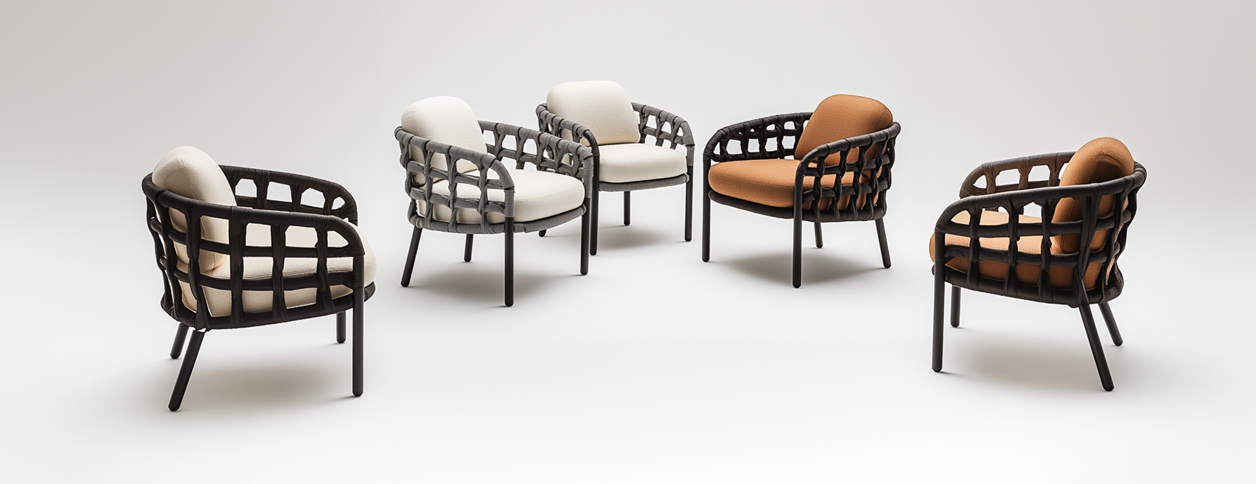
A recliner, on the other hand, is more upright by default and often resembles an armchair. It features plush padding, armrests, and mechanisms that allow you to lean back into a reclined position—sometimes with footrests.
In terms of posture, a sun lounger is more about stretching out, while a recliner supports seated comfort with adjustable angles.
Intended Use and Placement
A sun lounger is the preferred choice for:
Poolside relaxation.
Sunbathing.
Reading outdoors in a fully extended position.
It works well on patios, decks, and grassy areas, especially when you want a piece that complements other outdoor furniture like umbrellas or small side tables.
A recliner, by contrast, is ideal for:
Covered patios or screened porches.
Outdoor living rooms with sofas and coffee tables.
Cooler climates where full-body sun exposure isn’t a priority.
Choosing between the two depends largely on how and where you plan to use it.
Portability and Storage
One of the reasons many homeowners favor a backyard sun lounger is its portability. Most loungers are lightweight, easy to fold, and simple to move or stack. This makes them ideal for smaller outdoor areas where space is limited, or for households that frequently rearrange their layout.
Recliners are heavier, bulkier, and usually not foldable. They’re meant to stay in one spot and are less convenient for those who need flexible outdoor furniture arrangements.
_qljn6b.jpg)
_oRFxNo.jpg)
Material Considerations
When it comes to weather resistance, both options can be made from durable materials—but waterproof sun loungers are far more common and purpose-built.
Loungers often feature:
Aluminum or resin frames that resist rust.
Mesh or textilene fabric that dries quickly.
Cushions made with quick-dry foam and removable covers.
Recliners can be weather-resistant too, but many models require indoor storage or a protective cover to remain in good condition. If you’re focused on maintenance ease and year-round durability, a waterproof sun lounger may be the better investment.
Customization and Reclining Options
Both sun loungers and recliners allow for reclining, but the mechanism differs:
Sun loungers typically have manual notches or ratchets that let you adjust the backrest angle to several positions, including fully flat.
Recliners may include push-back or lever-operated systems, some even motorized. They can recline partially or fully, though not always to a completely flat position.
If you enjoy the flexibility of lying flat for sunbathing or stretching, the outdoor sun lounger wins. If you're after padded, upright comfort with adjustable seating, a recliner is a better match.
Style and Aesthetic Appeal
For many, aesthetics matter as much as comfort. Sun loungers tend to have a sleek, minimalist look, making them suitable for modern and tropical-inspired outdoor spaces. They pair well with other poolside pieces and often come in coordinated sets.
Recliners, while stylish in their own right, tend to resemble indoor furniture and bring a cozy, homey feel to the outdoors. They may feature bulkier frames and more upholstery, which can clash with minimalist outdoor themes unless matched carefully.
_M6oaWJ.jpg)
_HXI8DI.jpg)
Price and Longevity
Generally speaking, sun loungers are more affordable than outdoor recliners due to their simpler design and materials. A high-end waterproof sun lounger can still cost significantly less than a cushioned recliner with reclining mechanisms.
In terms of longevity:
Loungers are built to withstand outdoor elements directly, especially models designed as backyard sun loungers.
Recliners may need extra care or weatherproofing accessories to match that durability.
Choosing one over the other depends on your priorities—do you want low-maintenance and sun exposure or plush seating and indoor-outdoor versatility?
Conclusion
While both the outdoor sun lounger and the recliner serve as excellent relaxation tools, they offer distinctly different experiences. A backyard sun lounger is better suited for sun worshippers and those seeking sleek, practical furniture for a poolside setup. Recliners are more about cushioned comfort and upright lounging in shaded or protected environments.
When deciding which to add to your outdoor furniture collection, consider your space, lifestyle, and how you plan to relax. Whether it’s the simplicity of a waterproof sun lounger or the luxury of a reclining chair, there’s no wrong choice—only the one that best fits your outdoor living goals.
READ MORE:
Should You Choose a Sun Lounger or a Recliner for Outdoor Relaxation? Here's What You Need to Know
Outdoor Sun Lounger vs. Recliner: A Detailed Guide to Choosing the Right Relaxation Companion
Outdoor Sun Lounger or Recliner? A Complete Comparison for Smart Buyers
Sun Lounger vs. Recliner: Which One Should You Choose for Your Backyard?