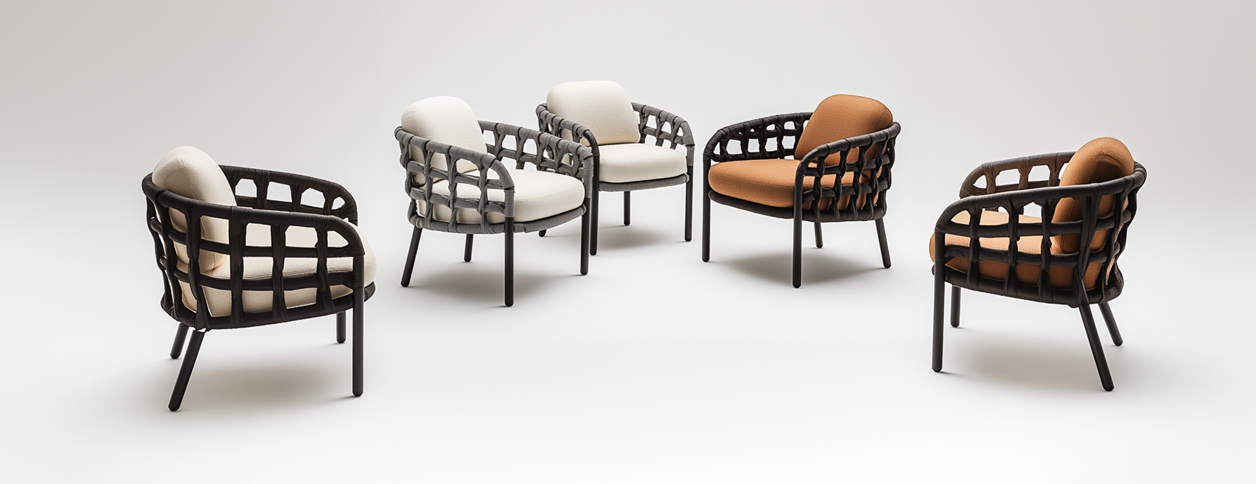
Outdoor furniture is meant to make your backyard, balcony, or terrace more enjoyable. But not all patio sets are created equal. At first glance, that $150 terrace table and chair set or $200 outdoor rattan sofa might look like a good deal—but when it starts to fade, rust, or fall apart after one rainy season, you’ll realize that sometimes, cheap costs more.
In this guide, we’ll break down the real costs of cheap outdoor furniture, what to look for when buying, and how to make sure your investment lasts. Whether you're shopping for a garden wooden sofa, outdoor sun lounger, or a full set, here's how to get more for your money.
1. Why Cheap Furniture Doesn’t Last
Cheaper furniture often uses low-quality materials that can't handle weather changes. For example:
Thin metal frames may look sleek but rust quickly in rain or near the ocean.
Basic wood (like pine or unsealed acacia) can crack, warp, or rot when wet.
Plastic parts or wicker become brittle in the sun and start snapping after a few months.
Cushions made with low-grade foam absorb water and grow mold easily.
The result? You end up replacing your furniture every 1–2 years, which adds up fast.
Real-Life Example
Imagine you buy a $250 outdoor rattan sofa made with a thin steel frame and non-UV fabric. After one summer:
The fabric fades and tears.
The frame rusts underneath.
The sofa squeaks and wobbles.
Now you need to buy a new one next year.
Instead, a $600 version made with powder-coated aluminum, PE rattan, and UV-protected cushions could last 5–8 years with minimal maintenance. That’s actually cheaper over time.
2. Total Cost of Ownership: Think Long Term
| Furniture | Price | How Long It Lasts | Cost per Year |
| Cheap Set | $250 | 1–2 years | $125–250/year |
| Quality Set | $600 | 5–8 years | $75–120/year |
Takeaway: The cheapest price upfront isn’t always the cheapest option overall.
3. Good Furniture Is Built to Last
Look for:
Aluminum frames (lightweight, rust-proof)
Stainless steel screws and bolts
PE rattan (not natural rattan, which molds easily)
Teak, eucalyptus, or acacia that’s been kiln-dried and sealed
UV-treated fabric that won’t fade or fall apart
Also, check the construction:
Are parts welded or just screwed together?
Are legs sturdy or wobbly?
Do the cushions have zippers and removable covers?
4. Has It Been Weather-Tested?
Reputable outdoor brands test their furniture for:
UV exposure (to prevent fading)
Salt spray (for coastal homes)
Moisture and mold resistance
Freeze/thaw durability
Most cheap brands don’t test at all, which is why their products fail quickly. Look for products that mention passing ISO or ASTM weather tests, or at least offer a warranty.
5. Maintenance: Small Effort, Big Impact
Even good furniture needs care. Here’s how to make it last even longer:
| Item | Maintenance Tip |
| Cushions | Bring them inside when not in use. Wash covers every few months. |
| Wood frames | Apply wood sealant or oil once a year. |
| Metal frames | Rinse with water to remove salt or dirt. |
| PE rattan | Wipe down regularly and avoid heavy pressure. |
| Covers | Use waterproof covers in rain or snow. |
Just 15 minutes a month of care can double the life of your furniture.
6. Don’t Fall for Just Looks
A set that “looks” like premium furniture may not be. Check the specs:
What kind of metal is it?
Is it powder-coated or painted?
Are the cushions quick-dry foam or basic sponge?
Is the rattan UV-stabilized PE or just natural wicker?
Also, read reviews and see what real users say after 6 months, not just in the first week.
Best Choices by Climate
| Climate | Best Material |
| Coastal | Aluminum, stainless steel, quick-dry cushions |
| Rainy | Waterproof cushions, sealed wood, PE rattan |
| Hot & Sunny | UV-treated fabric, aluminum, teak |
| Cold & Snowy | Removable cushions, covered storage, solid frames |
Final Thoughts
Outdoor furniture should be an investment, not a gamble. Spending a bit more on well-made, weather-resistant materials will save you from frustration, replacements, and wasted money.
So next time you shop for a terrace table set, outdoor rattan sofa, sun lounger, or garden wooden sofa, think long term. Smart buyers look beyond the price tag—they look at value.
READ MORE: