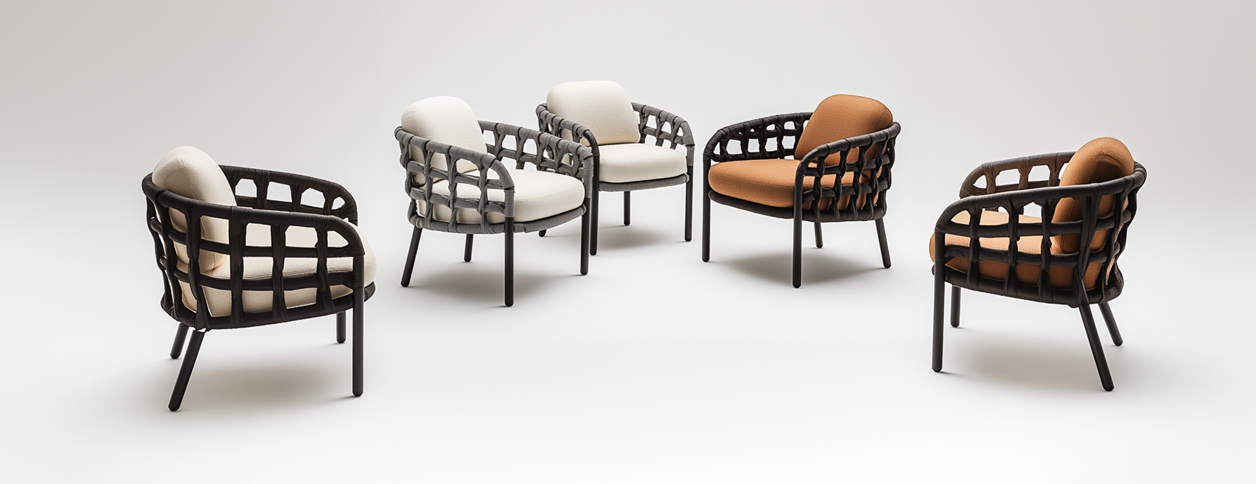
Don’t let salt, moisture, and mold ruin your patio furniture. Learn how to protect outdoor rattan sofas, terrace chairs, loungers, and wooden sofas in humid or coastal climates with smart materials and simple maintenance.
If you live near the coast or in a place with lots of rain and humidity, you’ve probably noticed that your outdoor furniture doesn’t last as long as you’d like. Rust, mold, fading, and even weird smells can show up within months. But don’t worry—there are simple, smart ways to make sure your outdoor rattan sofa, terrace table chairs, outdoor sun lounger, and garden wooden sofa stay beautiful and usable for years, even in tough weather.
1. Why Coastal and Humid Areas Are So Tough on Furniture
What Happens:
Salt in the air causes metal parts to rust faster
Moisture in the air leads to mold, mildew, and musty smells
Wood swells, softens, and eventually rots
Cushions stay wet, causing bacteria to grow
Fabric gets sticky or stained from sap, pollen, or leaves
Why It Matters:
Even expensive furniture can get ruined if it’s not made to survive this type of environment. That’s why choosing the right materials is key.
2. Best Materials for Humid and Coastal Conditions
| Part | What to Look For |
| Frame | Powder-coated aluminum or 316 stainless steel |
| Rattan | Synthetic PE rattan with UV and water resistance |
| Wood | Teak, ipe, or heat-treated hardwood (sealed properly) |
| Cushions | Quick-dry foam, breathable waterproof covers |
| Hardware | Rust-proof screws and bolts (stainless steel or brass) |
Avoid:
Cheap steel or iron frames
Untreated wood (like pine)
Natural rattan (which absorbs moisture)
Sponge cushions (they hold water and grow mold)
3. How to Keep Your Furniture Clean & Dry
Weekly Checklist:
Wipe off leaves and debris
Check for rust or mold spots
Shake out or pat dry any cushions
Monthly Maintenance:
Rinse metal parts with fresh water to remove salt
Clean wood surfaces with mild soap and water
Spray anti-mildew solution on fabrics and seams
After Rain:
Stand cushions up to let them drain
Don’t leave furniture sitting in puddles
Use furniture covers if you can’t dry things right away
Pro Tip: Use a deck box with ventilation holes to store cushions—it keeps them dry but prevents musty smells.
4. Small Upgrades That Make a Big Difference
Add non-metal risers or rubber feet to lift furniture off damp ground
Use plastic leg caps or gliders to stop rust from forming underneath
Apply wood sealant twice a year (spring and fall)
Replace screws with stainless steel hardware if rust appears
Bonus Tip: A little silicone spray around joints helps prevent sticking and rust buildup.
5. Signs Your Furniture Needs Help (Before It’s Too Late)
| symptom | Reason |
| Brown spots on cushions | Mold is forming inside |
| Wobbly legs | Moisture may have softened the wood or loosened screws |
| Rust streaks | Coating has worn off—repaint or seal it |
| Faded rattan or fabric | UV damage—apply UV-protective spray or use covers |
| Wood feels “soft” | Rot may be starting—sand and seal immediately |
Fix early to avoid replacing your furniture entirely.
6. Where You Place Furniture Matters
Avoid placing furniture under trees that drop sap or fruit
Keep items away from sprinkler spray zones
Don’t rest metal parts directly on concrete, which holds moisture
Use raised platforms or outdoor rugs to help with drainage
Smart Setup Tip: Position furniture where it gets good airflow—wind and sun help dry things naturally.
Final Thoughts
Living in a humid or coastal area doesn’t mean you have to give up on beautiful outdoor furniture. It just means you need to be a little smarter about the materials you choose and the care you give.
With the right setup, your terrace chairs, sun loungers, rattan sofas, and wooden benches can stay looking great for years—rain, shine, or salty breeze.
READ MORE: