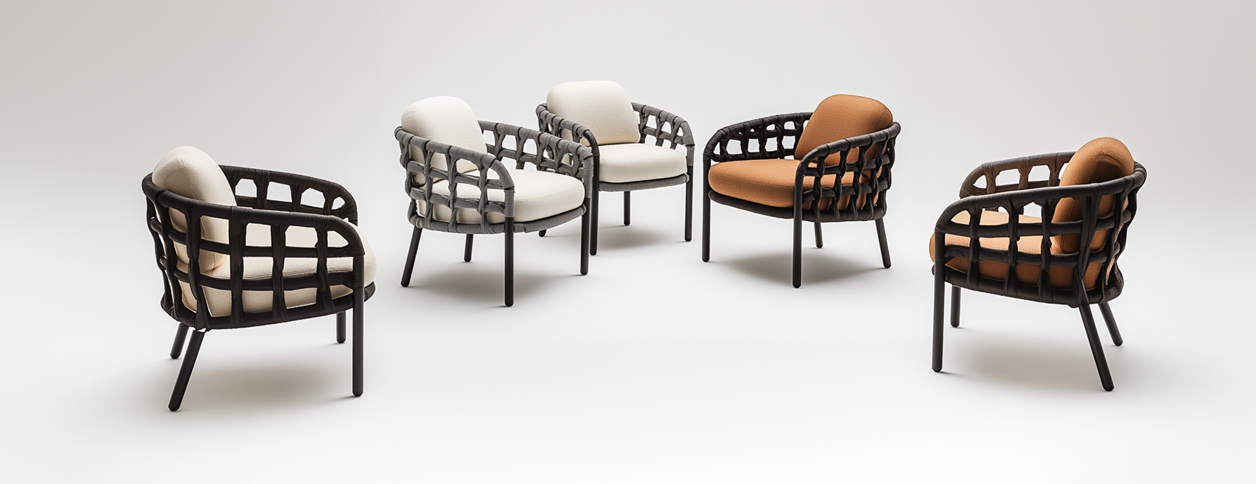
If you're shopping for a new outdoor sun lounger or wondering whether your current one will survive another season, you're not alone. With so many materials and styles available — rattan, metal, wood, fabric, plastic — it can be difficult to know what offers the best mix of comfort, durability, and low maintenance.
This article compares the most common sun lounger materials head-to-head, helping you make a smarter purchase or care decision, especially if you're trying to cut down on maintenance time.
Why Material Matters More Than Style
A lounger may look great on a showroom floor, but what happens after 30 days of sun, wind, and unexpected rain? Without the right materials, you'll face:
Investing in the right material upfront prevents hours of upkeep — and money spent on replacements.
Material Comparison Table: Outdoor Sun loungers
Here’s a direct comparison of five popular sun lounger materials across six practical categories:
| Material | Weather Resistance | Maintenance Level | Comfort | Durability | Price Range | Best Use Scenario |
| PE Rattan | High | Low | High | Medium | $$ | Covered patios, modern decks |
| Powder-Coated Aluminum | Very High | Very Low | Medium | High | $$$ | Poolside, minimal-maintenance homes |
| Teak Wood | Medium-High | Medium | High | Very High | $$$$ | Luxury terraces, shaded gardens |
| Plastic (HDPE) | Medium | Very Low | Low | Medium | $ | Budget setups, humid climates |
| Steel (Painted) | Low | High | Medium | Medium | $$ | Occasional use under cover |
Best Overall for Low Maintenance: Powder-Coated Aluminum
Most Comfortable Natural Look: Teak Wood
Best Budget Choice: Plastic (HDPE)
Cushion Considerations
The base frame isn’t the only factor. sun lounger cushions vary in quality — and they affect maintenance a lot.
Recommended cushion features:
Store cushions separately or in a waterproof garden storage box to extend their life — a tip that also applies to terrace table chairs and garden wooden sofas.
Don’t Forget Reclining Mechanisms
Sun loungers with multiple positions or folding designs are great — until the hinges rust or jam. Ensure:
Metal parts are stainless steel or aluminum
Hinges are protected or coated
No exposed screws or bolts that hold water
Apply light lubricant every few months to keep everything moving smoothly.
Maintenance-Free Accessories to Consider
Snap-on headrests: Easy to remove and wash
Attached wheels: Make moving loungers easier after rain
Built-in drink trays: Reduce surface contact and mess
You can also coordinate your sunlounger with nearby rattan sofas or terrace tables for a cohesive, low-maintenance patio aesthetic.
A sun lounger should be a place of rest — not another source of cleaning stress. By selecting the right material and knowing what to expect in care routines, you’ll enjoy years of relaxation without the maintenance burden.