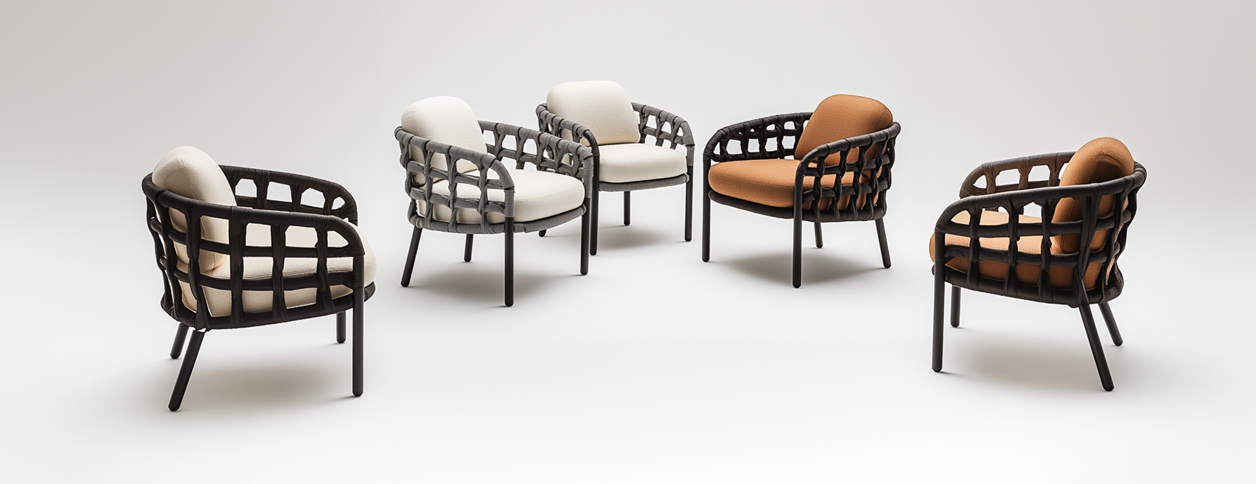
Terrace table chairs are daily essentials in many outdoor spaces—balconies, patios, gardens, and poolside zones. While they may appear durable, long-term exposure to the elements, coupled with frequent use, can degrade their structure and comfort if not properly maintained. This article walks you through how to extend their life through smart habits and effective care strategies.
1. Daily Habits that Preserve Furniture
Daily use doesn’t have to mean daily damage. Small actions help protect chairs in the long run.
Wipe Down Surfaces: Use a damp microfiber cloth to remove dust or food particles.
Push Chairs Under Tables: Reduces UV exposure and protects from rain.
Cushion Flip: Rotate and flip cushions to avoid uneven wear and sun fading.
2. Material-Based Maintenance
Each chair material demands specific care. Knowing what your chair is made of helps guide your routine.
Plastic Chairs: Clean with mild soap and avoid harsh chemicals that cause brittleness.
Metal Frames: Apply anti-rust spray if used in humid or coastal areas.
Wood (Teak, Acacia): Regularly apply outdoor wood oil and lightly sand every 6–12 months.
Woven Rope or Rattan: Use a soft-bristle brush to clean crevices; avoid high-pressure water jets.
3. Weekly and Monthly Check-Ups
Creating a basic schedule ensures you're not overwhelmed later.
Weekly: Inspect for loose bolts or cracked legs, especially if used by children or heavier guests.
Monthly: Deep clean cushions, tighten all screws, and wash chair frames thoroughly.
4. Smart Storage Solutions
Proper off-season storage plays a key role in long-term preservation.
Use Breathable Covers: Prevent mold by avoiding plastic tarps that trap moisture.
Stack or Fold Neatly: Prevents warping and reduces floor space.
Elevated Storage: Keep off damp surfaces to avoid absorbing ground moisture.
5. Design Choices That Aid Longevity
The right design choices at the buying stage can save effort later.
Removable Cushions: Easier to wash or store.
Weatherproof Coatings: Look for powder-coated metal or factory-treated wood.
Modular Units: Easier to repair or replace sections than single-piece chairs.
6. When to Replace Instead of Repair
Not all damage is worth fixing. Watch for these signs:
Structural Damage: Cracks in frame or severe wobbling may pose safety risks.
Moldy or Torn Cushions: Especially if they smell or the material has degraded.
Peeling or Bubbling Paint: Indicates trapped moisture and potential internal damage.
Conclusion
Terrace table chairs are functional staples in outdoor spaces, and with consistent light care, they can remain comfortable and attractive for years. Focus on prevention through regular cleaning, weather protection, and mindful daily use. With these strategies, your chairs will outlast the seasons and continue adding value to your outdoor experience.