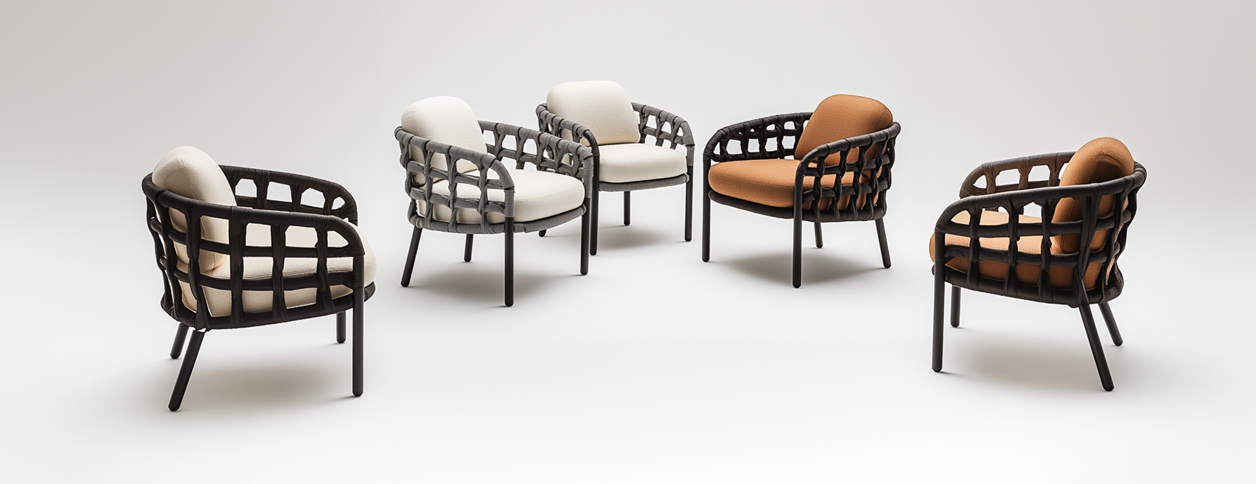
One of the biggest challenges for outdoor furniture is exposure to the elements. Whether it’s harsh sunlight, heavy rainfall, or strong winds, each weather condition poses risks to durability and comfort. Choosing weather-resistant solutions helps homeowners protect investments like the outdoor rattan sofa, terrace table chair, outdoor sun lounger, and garden wooden sofa. This article provides strategies to build outdoor living areas that remain functional and attractive regardless of climate.
1. Weather Challenges for Outdoor Furniture
Outdoor furniture faces continuous exposure:
Sunlight: Causes fading, cracking, and overheating.
Rain and humidity: Lead to mold, rust, and material decay.
Wind: Blows over lightweight items like terrace table chairs and sun loungers.
Temperature swings: Expand and contract materials, weakening joints.
Homeowners must select weather-resistant materials and adopt protective measures.
2. Material Selection for Weather Resistance
Materials determine durability under extreme conditions:
Synthetic rattan: Used in outdoor rattan sofas, resists moisture and UV damage.
Hardwood: A garden wooden sofa made from teak or eucalyptus withstands rain and sunlight with proper treatment.
Aluminum: Lightweight yet rust-proof, ideal for terrace table chairs.
Powder-coated steel: Provides strength for sun loungers but requires maintenance.
Weather-Resistant Materials Overview
| Material | Advantage | Best Furniture Use |
| Synthetic rattan | UV and moisture proof | Outdoor rattan sofa |
| Hardwood (teak) | Naturally weather-tough | Garden wooden sofa |
| Aluminum | Rust-resistant, light | Terrace table chair |
| Powder-coated steel | Strong, stylish | Outdoor sun lounger |
3. Protective Accessories
Even weather-resistant furniture benefits from accessories:
Cushion covers: Waterproof fabrics for rattan sofas and loungers.
Furniture covers: Breathable, fitted designs for wooden sofas.
Umbrellas and pergolas: Shade for terrace table chairs during hot days.
Wind straps: Anchor sun loungers against strong gusts.
These accessories extend furniture life and improve usability.
4. Layout and Positioning
The way furniture is arranged also affects durability:
Place garden wooden sofas under partial shade to reduce UV damage.
Use wind-protected corners for terrace table chairs.
Keep outdoor rattan sofas elevated from wet grass with sturdy bases.
Position outdoor sun loungers where drainage prevents water pooling.
Smart Layout Recommendations
| Condition | Recommended Placement | Furniture Example |
| Strong sunlight | Semi-shade areas | Garden wooden sofa |
| Heavy rain | Elevated surfaces | Outdoor rattan sofa |
| Windy zones | Sheltered corners | Terrace table chair |
| Damp soil | Stone or deck platforms | Outdoor sun lounger |
5. Seasonal Care
Each season demands adjustments:
Spring: Clean and inspect furniture for winter damage.
Summer: Use UV-resistant fabrics on cushions.
Autumn: Store stackable terrace table chairs indoors.
Winter: Apply protective oils to wooden sofas and cover loungers.
Seasonal routines prevent long-term damage.
6. Combining Durability and Style
Weather resistance doesn’t mean compromising aesthetics. Many modern designs integrate durability with elegance:
Outdoor rattan sofas with sleek lines and synthetic weaving.
Garden wooden sofas finished with rich natural oils.
Terrace table chairs with minimalist aluminum frames.
Outdoor sun loungers combining steel strength with slim profiles.
These choices ensure outdoor living remains both practical and visually appealing.
Conclusion
Building weather-resistant outdoor spaces requires thoughtful planning and the right materials. By selecting durable furniture like the outdoor rattan sofa, terrace table chair, outdoor sun lounger, and garden wooden sofa, and enhancing them with protective accessories, smart layouts, and seasonal care, homeowners can enjoy long-lasting outdoor comfort. With these strategies, patios and gardens remain inviting retreats throughout the year.