In recent years, the concept of indoor-outdoor living has evolved from a luxury to a lifestyle essential. As homeowners seek to maximize their living space and connection to nature, the boundary between indoors and outdoors continues to blur. Creating a seamless indoor-outdoor living space not only enhances the beauty and functionality of your home but also increases its value. But how exactly can you achieve this harmony between the interior and the exterior?
Let’s explore the design principles, key elements, and essential furniture choices—like the outdoor sofa and outdoor table chairs—that can transform your living space into a cohesive indoor-outdoor retreat.
1. Prioritize Flow and Continuity
The first step in creating a seamless indoor-outdoor living space is establishing a visual and functional flow. This means using similar design elements, materials, and colors inside and out.
Flooring plays a critical role in continuity. Choosing outdoor-friendly flooring that matches or complements your interior flooring can make the two spaces feel like one. For example, porcelain tiles, concrete slabs, or wood-look decking can work beautifully indoors and outdoors.
Color palettes should also remain consistent. If your indoor space features neutral tones or earthy shades, extend those hues to your patio or garden area for a cohesive aesthetic.
2. Use Large Openings to Bridge the Gap
One of the most effective ways to connect indoor and outdoor spaces is by installing large doors or windows. Sliding glass doors, bi-fold doors, or even garage-style roll-up doors allow you to physically and visually extend your indoor space to the outdoors.
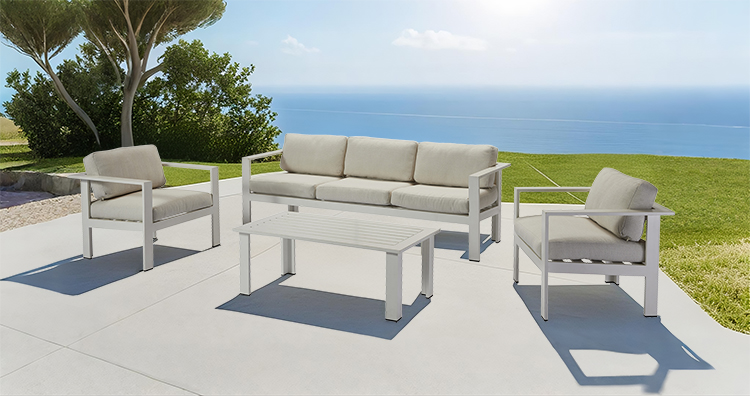
When fully open, these doors erase the boundary between the inside and outside, making the outdoor sofa and other furniture feel like part of your living room. Even when closed, the expansive glass allows natural light to flood the interior and provides unobstructed views of your garden or patio.
3. Choose Furniture That Blends Style and Function
The right furniture is key to creating a unified indoor-outdoor experience. Comfort, durability, and style must come together, especially in transitional zones like covered patios, sunrooms, or decks.
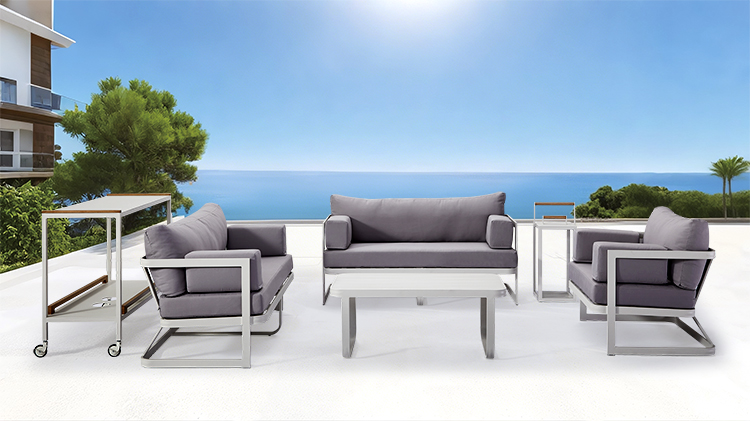
An outdoor sofa with plush cushions and weather-resistant fabric can rival the comfort of any indoor couch. Look for sofas with aluminum or teak frames, which offer longevity and a modern appearance. Place a stylish rug underneath to tie the space together and define the seating area.
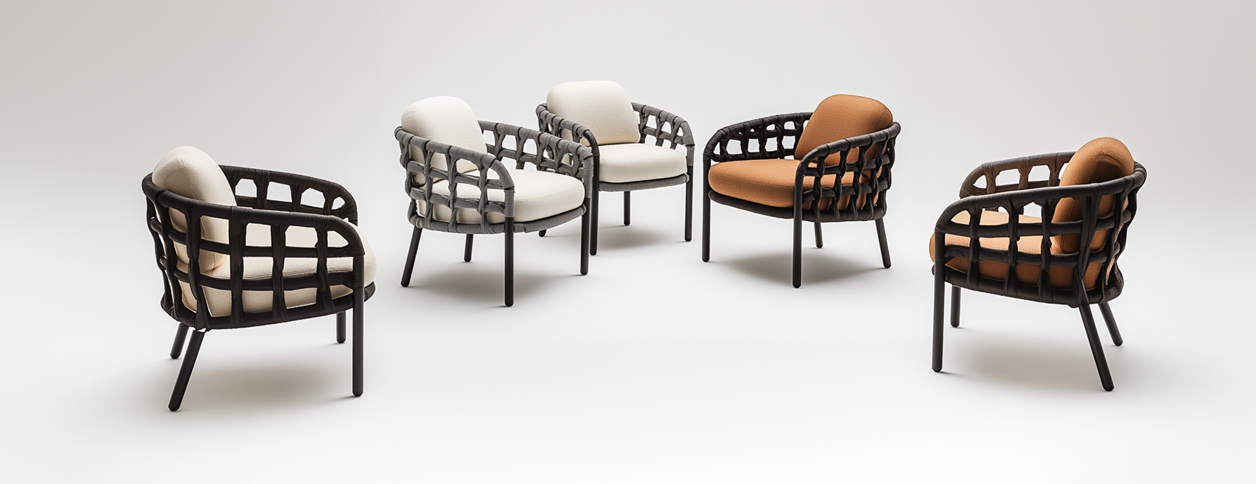
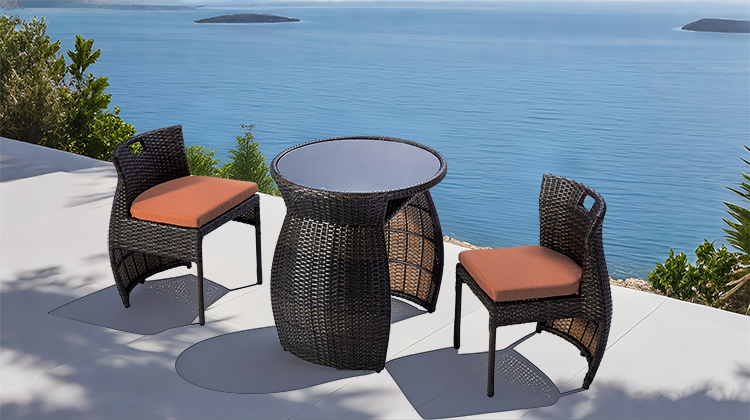
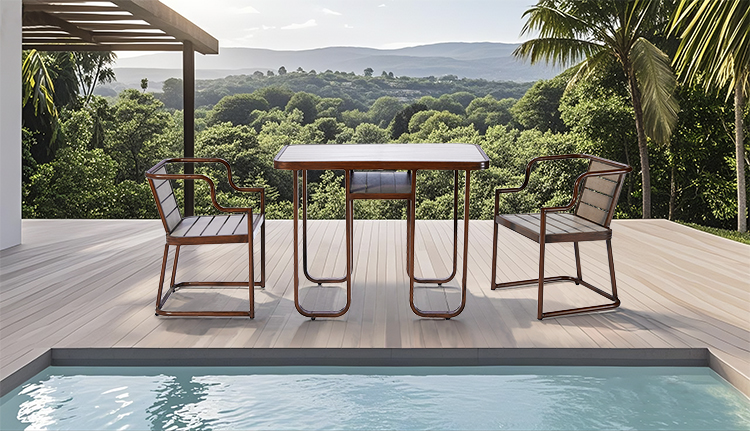
Complement your lounge area with outdoor table chairs that can serve multiple purposes—from dining to casual conversation. Opt for materials like rattan, powder-coated steel, or FSC-certified wood to withstand the elements without sacrificing aesthetics.
4. Create Zones with Purpose
Design your space with intention by creating distinct yet harmonious zones for lounging, dining, and entertaining. Use furniture placement, lighting, and rugs to subtly define each area.
For instance, arrange your outdoor sofa around a fire pit or coffee table to form a cozy conversation area. Nearby, set up a dining nook with a sturdy outdoor table and chairs under a pergola or umbrella. This organization ensures that your outdoor space functions as smoothly as your interior layout.
5. Incorporate Natural Elements
Blending natural elements into your design reinforces the connection between indoor and outdoor environments. Plants, water features, and natural materials like wood and stone evoke a calming, organic feel.
Indoor plants near doorways or windows can lead the eye outside, while container gardens on the patio continue the greenery theme. Consider vertical gardens or living walls as stylish space-saving options.
Pairing your outdoor table chairs with a reclaimed wood table or using a stone-top coffee table by your outdoor sofa helps reinforce the natural theme and adds texture and interest.
6. Integrate Lighting Thoughtfully
Lighting can dramatically impact the ambiance and usability of indoor-outdoor spaces. Use layered lighting—ambient, task, and accent—to create warmth and visibility during the evening hours.
Indoors, install dimmable lights to match the soft glow of outdoor lanterns, string lights, or solar-powered path lights. Extend light fixtures to the patio ceiling or stair risers to ensure safety and continuity.
Try hanging pendant lights above your outdoor table chairs to create a warm dining atmosphere, or place LED strip lights under your outdoor sofa to give it a modern edge after dark.
7. Consider Climate and Comfort
A truly seamless space considers local climate and seasonal comfort. Install outdoor heaters, retractable awnings, or ceiling fans to extend usability throughout the year.
Choose weather-resistant covers for your outdoor sofa and outdoor table chairs to protect against sun, rain, and humidity. Adding curtains or screens to pergolas or covered decks can offer shade and privacy while maintaining the open-air feeling.
8. Embrace Smart Technology
Modern outdoor living integrates seamlessly with smart home technology. Weatherproof speakers, Wi-Fi-enabled lighting, and automated shading systems allow you to control ambiance and comfort with a smartphone or voice command.
Place a Bluetooth speaker near your outdoor sofa for entertaining or soft background music. Smart irrigation systems can also maintain your garden or lawn effortlessly, preserving the beauty of your outdoor space.
Conclusion
Creating a seamless indoor-outdoor living space is about more than aesthetics—it’s about enhancing your lifestyle. Whether you're lounging with a book on your outdoor sofa or hosting a family dinner around outdoor table chairs, the goal is to make the transition between inside and outside effortless and inviting.
By focusing on design flow, functional furniture, and thoughtful details, you can turn your home into a sanctuary that embraces nature, maximizes space, and brings comfort to every corner. Ready to blur the lines between your living room and backyard? Start today with just a door and a dream.
READ MORE: