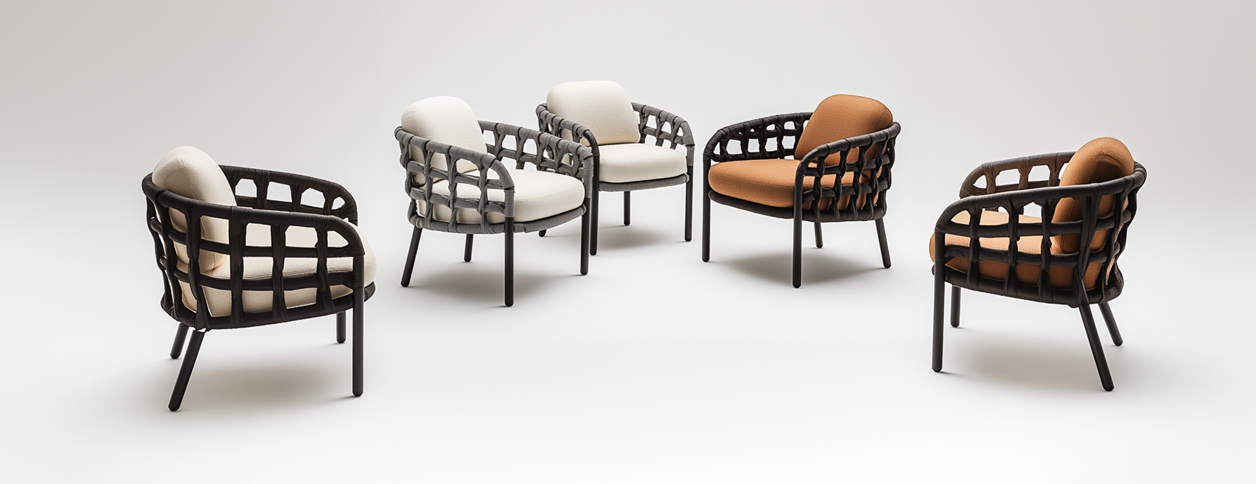
The demand for stylish and functional patio furniture has increased significantly in recent years. Among all pieces, the outdoor sun lounger has become a symbol of comfort and relaxation. Yet many homeowners considering a purchase often ask: How long will a high-quality lounger truly last? Durability depends on material, climate, and maintenance, but a premium lounger can be a long-term investment when chosen carefully.
.jpg)
.jpg)
Understanding the Role of Materials
The material of a lounger is the single biggest factor determining its lifespan. Hardwood options such as teak and eucalyptus are incredibly durable and resistant to rot. They often last 15 years or more, especially when oiled regularly. Aluminum frames are lightweight, rust-resistant, and can last over a decade with minimal maintenance. In contrast, cheaper plastics may fade, crack, or warp after only a few years. A premium outdoor sun lounger usually combines top-grade frames with high-performance textiles to ensure longevity.
Cushion and Fabric Longevity
Even the strongest frame can look worn out if cushions fade or sag. Modern loungers feature weather-resistant fabrics designed to withstand UV rays, moisture, and mildew. Quick-drying foams and UV-resistant coatings extend usability. A waterproof sun lounger with these materials can endure outdoor exposure for years without losing comfort or appearance. High-quality textiles typically last 5 to 8 years before requiring replacement, significantly outlasting standard fabrics.
Climate and Environmental Impact
Climate plays a decisive role in determining how long loungers last. In sunny, coastal regions, loungers face UV exposure and salt air, both of which can shorten lifespan if not managed properly. Cold climates present challenges too, as frost and snow can weaken materials over time. A backyard sun lounger in a temperate climate may last longer than one exposed to extreme weather. Using protective covers or storing loungers indoors during harsh seasons can add years to their durability.
.jpg)
.jpg)
Maintenance Habits That Make the Difference
Maintenance is essential for ensuring long-term use. A few simple practices can extend the life of any lounger:
Clean frames monthly with mild soap and water.
Store cushions indoors when not in use.
Oil wooden loungers once or twice a year.
Use breathable covers for weather protection.
By following these steps, a well-built outdoor sun lounger can last significantly longer than the average estimate.
Average Lifespan Expectations
So, how long should you expect your lounger to last? On average:
Teak and other hardwood loungers: 12–20 years
Aluminum loungers: 10–15 years
Synthetic wicker: 7–10 years
Resin or plastic: 5–7 years
A well-maintained waterproof sun lounger made from premium materials can easily exceed these ranges, providing comfort for more than a decade.
Recognizing When to Replace
Even the highest quality furniture eventually wears out. Signs of replacement include loose joints, cracks, rust that compromises strength, or fabrics that no longer resist water. A damaged frame can affect safety, while flattened cushions reduce comfort. Keeping an eye on these indicators helps homeowners decide when to repair or replace their backyard sun lounger.
_yCYgl2.jpg)
_IAoZXv.jpg)
Long-Term Value of Premium Loungers
Though premium loungers come with a higher price tag, they often provide better long-term value. A lounger that lasts 15 years ends up being more economical than replacing a cheap one every 5 years. This is why investing in quality outdoor furniture makes sense for homeowners who value durability, style, and sustainability.
Eco-Friendly Durability
Durability also has an environmental benefit. Buying fewer but longer-lasting products reduces waste and lowers the demand for raw materials. Many manufacturers now focus on sustainable sourcing, ensuring that your investment in a premium outdoor sun lounger supports eco-conscious practices.
Conclusion
The lifespan of a high-quality lounger varies but generally falls between 10 and 20 years when maintained correctly. Material choice, climate, and maintenance routines are the defining factors. A well-cared-for outdoor sun lounger is not just a piece of seating but a long-term addition to your lifestyle. With proper care, your outdoor furniture can deliver comfort, style, and durability that far outlasts cheaper alternatives.
READ MORE: