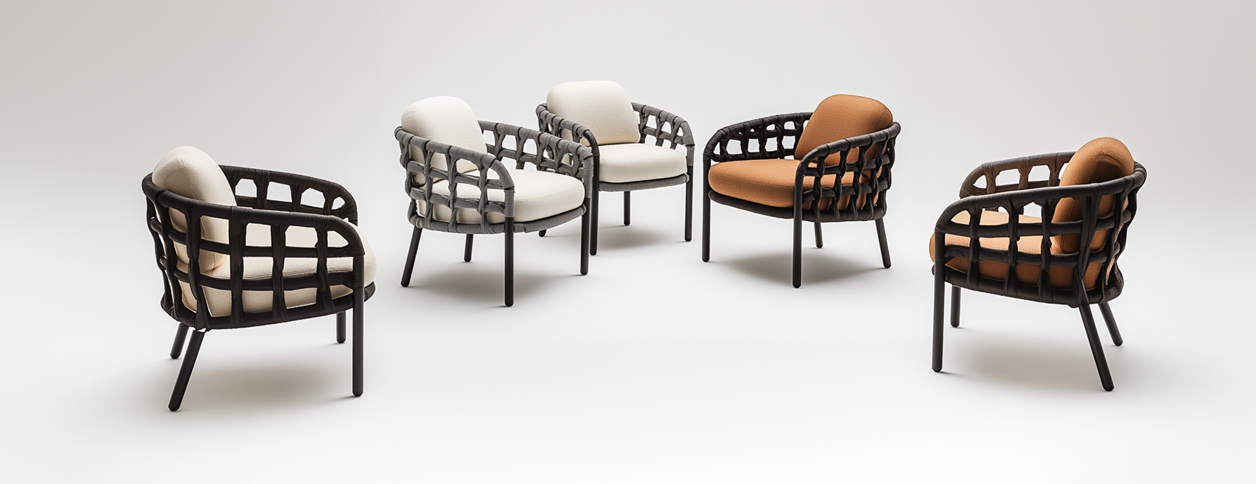
Buying a high-quality outdoor sun lounger is an investment in both relaxation and durability. Unlike cheaper models, premium loungers are designed to withstand years of use while maintaining comfort and style. However, many homeowners still wonder: How long can a lounger really last? The answer depends on a combination of materials, maintenance, and climate conditions. With proper care, a well-constructed lounger can last well beyond a decade.
.jpg)
.jpg)
Materials Define Durability
The choice of material has the greatest impact on lifespan. Hardwood frames, particularly teak and eucalyptus, are naturally resistant to pests and decay. They often last 15 to 20 years with the right maintenance. Aluminum frames are also popular because of their rust resistance and lightweight design, typically offering 10 to 15 years of service. Synthetic wicker is durable and weather-resistant, lasting around 7 to 10 years. Resin and plastic options are less expensive but generally last only 5 to 7 years before fading or cracking. A premium outdoor sun lounger often uses high-end materials to provide both strength and visual appeal.
The Importance of Cushion and Fabric Quality
Loungers are only as comfortable as their cushions, and fabrics play a major role in longevity. Cushions exposed to direct sunlight may fade or lose shape over time. That’s why modern fabrics are designed with UV protection and quick-dry properties. A waterproof sun lounger with high-quality fabrics can endure rain and moisture without developing mold or mildew. These features extend usability and reduce the frequency of replacement. On average, premium outdoor cushions last 5 to 8 years before needing an upgrade.
Environmental Impact on Longevity
Where you live significantly affects how long loungers last. In coastal regions, salt air can accelerate corrosion, while intense UV rays in tropical areas can shorten fabric life. Colder climates present challenges like frost damage and moisture buildup. A backyard sun lounger in a mild climate will usually last longer than one constantly exposed to harsh conditions. Using weatherproof covers and storing loungers indoors during winter or storms helps add several years to their lifespan.
_2yj58N.jpg)
_JoO7km.jpg)
Maintenance Practices That Extend Life
Proper maintenance is crucial for durability. Here are some effective practices:
Clean the frame with mild soap and water to remove dirt and debris.
Oil or seal wooden loungers annually to prevent cracks.
Store cushions indoors when not in use to avoid mold.
Cover loungers with breathable, weather-resistant covers during off-seasons.
Even the strongest outdoor sun lounger benefits from regular attention, ensuring it remains functional and attractive for years.
Lifespan Expectations by Type
Different materials provide different life expectancies:
Hardwood (teak, eucalyptus): 15–20 years
Aluminum: 10–15 years
Synthetic wicker: 7–10 years
High-quality resin: 5–7 years
A waterproof sun lounger constructed with durable materials and stored properly can often exceed these averages.
Recognizing Signs of Wear and Tear
No matter how well you maintain it, every lounger eventually shows age. Warning signs include cracked wood, corroded joints, sagging fabric, and unstable frames. Cushions may lose firmness or absorb water more easily. When these issues reduce comfort or safety, it’s time to consider replacing your backyard sun lounger.
_uOzZkA.jpg)
_x8WDyz.jpg)
The Value of Choosing Premium Loungers
Though they require a higher initial investment, premium loungers are more cost-effective over time. Instead of replacing a low-cost model every few years, a well-made lounger can provide 15 years of service. This makes high-quality outdoor furniture not only a comfortable addition but also a practical one. Over time, the savings in replacements and repairs more than justify the cost.
Sustainability and Eco-Friendly Living
Longevity also benefits the environment. Fewer replacements mean less waste and fewer raw materials consumed. Many manufacturers now prioritize responsibly sourced wood or recyclable aluminum, aligning with eco-conscious values. Choosing a durable outdoor sun lounger supports both sustainable living and long-term enjoyment.
Conclusion
A high-quality outdoor sun lounger can last between 10 and 20 years, depending on material and care. Wooden and aluminum designs often endure the longest, while fabrics and cushions last several years before needing renewal. Regular maintenance—such as cleaning, covering, and storing indoors during harsh seasons—is the key to maximizing lifespan. By investing in premium outdoor furniture, homeowners enjoy both style and durability, turning their patios into long-lasting retreats.
READ MORE: