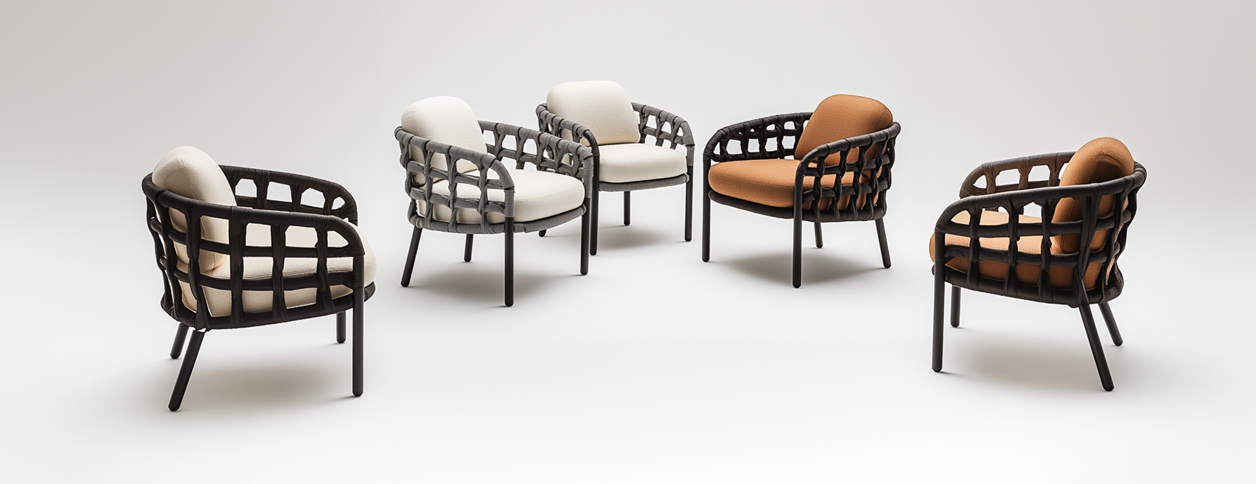
When designing an inviting outdoor space, selecting the right furniture is crucial — and among these, the outdoor sun lounger plays a pivotal role. Whether you're furnishing a poolside, a patio, or a quiet backyard corner, understanding the differences between modern and traditional sun loungers can help you make the perfect choice.
.jpg)
.jpg)
Understanding Outdoor Sun Loungers
An outdoor sun lounger is more than a piece of furniture — it’s where comfort meets function. Designed for relaxation, sun loungers come in a variety of styles and materials suited for different environments. Choosing between a sleek modern design or a timeless traditional look can greatly affect the overall ambiance of your outdoor area.
Aesthetic Appeal: Clean Lines vs. Classic Elegance
Modern sun loungers are characterized by minimalism, clean lines, and neutral tones. They often use materials like powder-coated aluminum, textilene fabric, and modular cushions. These loungers are perfect for contemporary homes or urban-style terraces. On the other hand, traditional loungers typically feature ornate details, curved silhouettes, and often use rich wood finishes or wicker. They evoke a sense of warmth and nostalgia, making them ideal for rustic gardens or classic homes.
If your home leans toward a contemporary architectural style, a modern outdoor sun lounger will maintain visual consistency. Conversely, if you enjoy vintage aesthetics or have a lush English-style garden, a traditional backyard sun lounger may complement your space better.
Material Durability and Weather Resistance
One of the most critical aspects of outdoor furniture is durability. Modern loungers often incorporate synthetic, rust-resistant materials that are easy to maintain. Aluminum frames are lightweight and do not corrode, while synthetic fabrics dry quickly and resist UV damage.
Traditional loungers, especially those made of teak, cedar, or wrought iron, require more maintenance but offer natural beauty and longevity. A high-quality waterproof sun lounger in either style can provide years of comfort with minimal upkeep, but make sure to check whether the material suits your local climate.
.jpg)
.jpg)
Functionality and Features
Modern sun loungers often come with additional features like adjustable backs, built-in storage, wheels for mobility, or even integrated canopies. They are designed for a user-friendly experience and may include ergonomic shapes for superior comfort.
Traditional loungers may offer fewer modern perks but are prized for their timeless charm. However, modern updates like weatherproof coatings or enhanced padding have made even classic designs more functional than ever. Whether it’s a minimalist modern lounger or a heritage-style waterproof sun lounger, usability should never be compromised.
Blending with Your Outdoor Furniture Collection
Consider your existing outdoor furniture when selecting a lounger. A contemporary patio set with glass tables and metal chairs will likely match a modern outdoor sun lounger, while a traditional wooden dining set pairs naturally with a handcrafted wicker lounger.
Coherence in design not only creates visual harmony but also enhances the overall experience of your backyard. If you're mixing styles, try balancing them with neutral cushions or accessories to maintain cohesion.
Comfort and Ergonomics
Both styles can offer exceptional comfort — the key is in the design and cushioning. Modern loungers may come with memory foam cushions or ergonomic support for the neck and back. Traditional loungers might use thicker padding and reclining backs, offering a relaxed, luxurious feel.
Whichever style you choose, ensure the lounger supports extended lounging without discomfort. Look for features like adjustable angles or contoured frames that suit your body posture.
.jpg)
.jpg)
Budget and Longevity
Price points can vary widely based on material and brand. Generally, modern loungers made of synthetic materials tend to be more affordable and low-maintenance. Traditional loungers, especially handcrafted or made with premium wood, may cost more but offer unmatched aesthetic value.
Think long-term: a high-quality backyard sun lounger that lasts several seasons can be a better investment than a cheaper one that fades or wears quickly.
Sustainability Considerations
Eco-conscious homeowners might prefer materials that are sustainably sourced or recyclable. Some traditional wooden loungers are made from certified sustainable wood, while modern designs may use recycled metal or eco-friendly synthetic fabrics. Look for certifications or inquire about the manufacturer’s environmental practices.
Final Thoughts: Finding Your Style
Choosing between modern and traditional outdoor sun loungers doesn’t have to be difficult. Start by considering the design of your home, your personal taste, your existing outdoor furniture, and how you plan to use the space. Whether it’s a waterproof sun lounger by the pool or a cozy backyard sun lounger under a pergola, ensure it fits both your aesthetic and practical needs.
Both styles have their own charm — modern loungers bring innovation and minimalism, while traditional ones offer comfort steeped in character. The best choice is the one that makes your outdoor space feel like home.
READ MORE:
Outdoor Sun Loungers: Should You Go Modern or Embrace Tradition?
Choosing Between Modern and Traditional Sun Loungers: What’s Best for Your Outdoor Retreat?
Modern vs. Traditional Sun Loungers: A Guide to Making the Right Outdoor Furniture Choice
Modern vs. Traditional Outdoor Sun Loungers: Which Style Suits Your Space Best?