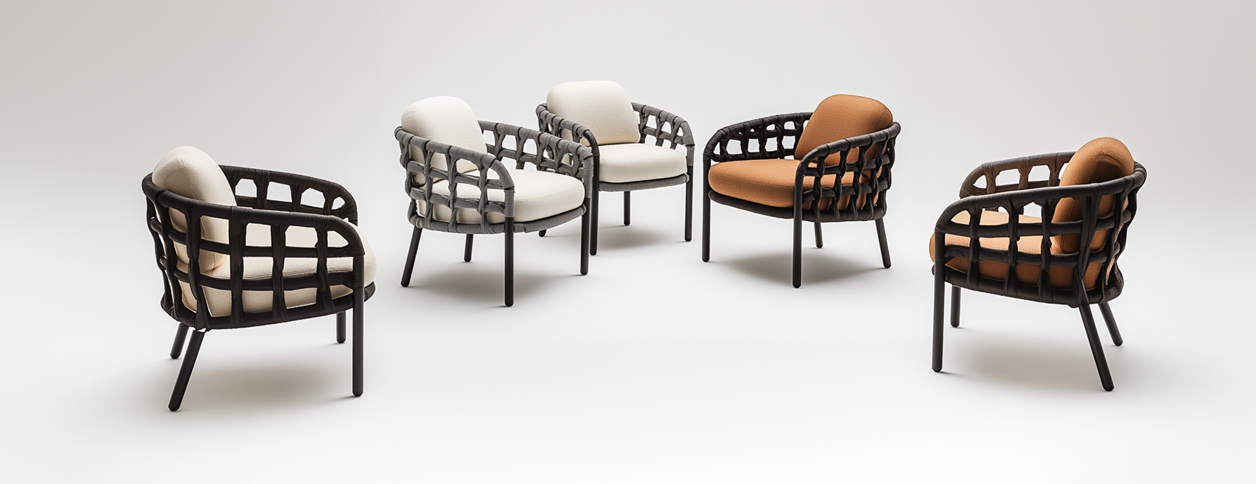
Choosing the perfect outdoor sun lounger isn’t just about aesthetics — it’s about creating a space that reflects your lifestyle, suits your environment, and enhances relaxation. With so many styles available, the decision often comes down to two main options: modern or traditional. Each has distinct advantages depending on your needs and preferences.
.jpg)
.jpg)
Defining Modern and Traditional Styles
Modern outdoor sun loungers emphasize sleek lines, geometric shapes, and a minimalist design philosophy. Typically constructed with metal or composite materials, they align well with contemporary architecture and modern landscaping. In contrast, traditional loungers lean on time-honored craftsmanship, often featuring warm wood, woven wicker, or wrought iron frames. Their decorative touches add character to classic garden spaces.
Understanding your outdoor aesthetic helps set the tone. For homes with clean, architectural landscaping, a modern lounger might feel at home. But if your yard features flower beds, stone paths, or antique décor, a traditional backyard sun lounger might blend more naturally.
Evaluating Comfort and Ergonomics
The comfort of your lounger is critical, especially if you spend significant time outdoors. Modern loungers often use ergonomic designs with integrated headrests and multi-position reclining backs. High-end models might include memory foam cushions, enhancing comfort without sacrificing the modern aesthetic.
Traditional loungers, while often simpler in structure, can be just as comfortable. Wooden slats with thick, weather-resistant cushions provide reliable support. Some even include built-in footrests or side tables for added functionality.
No matter the style, comfort should be your top priority. Look for a waterproof sun lounger that balances aesthetics with user-friendly design, especially for extended lounging under the sun.
Material Selection and Durability
Outdoor furniture must withstand the elements. Modern sun loungers are typically made from powder-coated aluminum, resin, or durable textiles. These materials resist corrosion, fading, and mildew, making them ideal for wet or humid climates.
Traditional loungers use natural or semi-natural materials. Teak and cedar offer excellent weather resistance, while rattan and wicker deliver a classic look with decent durability when treated properly. Investing in a waterproof sun lounger — regardless of style — ensures your furniture stays fresh through various seasons.
.jpg)
.jpg)
Maintenance and Longevity
A major consideration when choosing any piece of outdoor furniture is how much maintenance it requires. Modern loungers generally need less upkeep. Their synthetic components can be rinsed off and left to dry, and they're designed for ease of use.
Traditional loungers, particularly those made of natural wood, may need periodic sealing or oiling to maintain their finish. If you’re not prepared for regular maintenance, opting for a modern backyard sun lounger with easy-care materials may be the smarter choice.
Flexibility and Features
Modern loungers often come with innovative features: foldable frames, wheels for easy movement, cup holders, and even built-in charging ports. These extras can greatly improve convenience and functionality.
Traditional loungers tend to be more static but can still offer practical features like hidden storage or adjustable backrests. Some newer models blend traditional appearances with modern functionality — for example, a wicker-style waterproof sun lounger with hidden wheels or a reclining mechanism.
Integration with Outdoor Furniture Sets
Your lounger should fit well within the broader context of your patio or garden furniture. If your setup includes metallic, glass, or industrial elements, a modern outdoor sun lounger will complement the space. Wooden or vintage sets will typically align better with traditional loungers.
Pay attention to matching color schemes, cushion fabrics, and the general tone of your outdoor setup. Coherence improves the visual appeal and makes your lounge area feel more intentional and relaxing.
.jpg)
.jpg)
Style vs. Substance
Don’t sacrifice function for appearance. Some traditional loungers may look stunning but lack weather resistance or comfort features. Similarly, a modern lounger might be durable but uncomfortable without proper padding. The ideal piece marries both qualities — offering style and substance.
When browsing options, sit or lie down on the model if possible. Imagine spending several hours there. Whether you choose a backyard sun lounger for reading under a tree or a sunbathing spot beside your pool, it must serve your specific needs.
Cost Considerations
Modern loungers made from aluminum or plastic blends can be quite affordable and offer excellent value. Traditional options, especially those hand-crafted or using exotic woods, tend to be more expensive.
That said, both styles are available across a wide price range. Focus on quality and durability — a cheap lounger that breaks down after one season is far more costly in the long run than a well-made waterproof sun lounger that lasts for years.
Making the Final Choice
Choosing between modern and traditional sun loungers depends on your aesthetic, your comfort needs, and how much maintenance you’re willing to handle. Both styles offer advantages. Modern loungers are often lightweight, ergonomic, and durable. Traditional loungers provide a timeless charm and can be equally functional if properly maintained.
Ultimately, select the piece that makes you feel most at home in your outdoor space. The best outdoor sun lounger isn’t just attractive — it invites you to unwind, enjoy the sunshine, and appreciate your environment.
READ MORE:
Outdoor Sun Loungers: Should You Go Modern or Embrace Tradition?
Choosing Between Modern and Traditional Sun Loungers: What’s Best for Your Outdoor Retreat?
Modern vs. Traditional Sun Loungers: A Guide to Making the Right Outdoor Furniture Choice
Choosing the Right Outdoor Sun Lounger: Modern vs. Traditional Styles