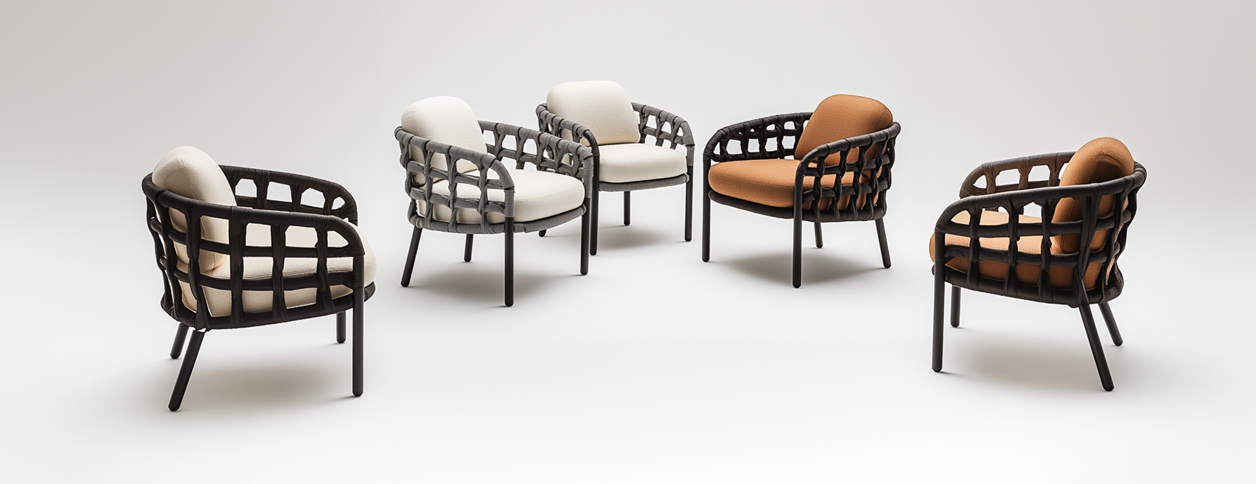
When it comes to designing a comfortable and stylish outdoor space, the type of sun lounger you choose plays a central role. With so many designs on the market, it often comes down to a question of style: Should you choose a modern outdoor sun lounger or opt for a traditional one? Each offers unique advantages and challenges — understanding them will help you make the best decision for your backyard.
The Role of Outdoor Sun Loungers in Backyard Design
A well-chosen outdoor sun lounger is more than just a seat — it’s a feature that enhances the beauty and functionality of your space. Whether you're placing it near a pool, a patio, or a garden corner, your lounger contributes to the mood and usability of the area.
Modern sun loungers, with their clean shapes and innovative features, speak to minimalism and contemporary design. On the other hand, a traditional backyard sun lounger brings timeless charm, warmth, and often, a handcrafted quality that appeals to classic tastes.
Design Language: Contemporary vs. Heritage
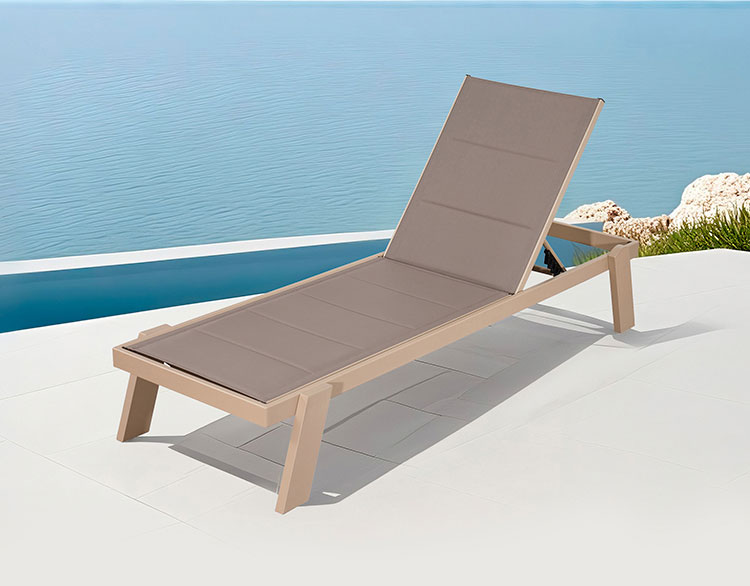
Modern loungers are designed with simplicity and efficiency in mind. They're sleek, lightweight, and often stackable. Common materials include steel, aluminum, and synthetic mesh. These loungers complement urban homes, modern villas, and high-end pool decks.
Traditional loungers may include curved lines, wooden slats, or ornate metalwork. They fit perfectly in gardens with flowering hedges, stone pathways, and vintage details. If your backyard features rustic or cottage-style elements, a traditional lounger can elevate the look.
Both styles are beautiful — the decision depends on what kind of atmosphere you're creating. A sleek waterproof sun lounger fits futuristic settings, while a natural teak lounger resonates with earthy and organic surroundings.
Weather Resistance and Maintenance
Outdoor furniture must stand up to wind, rain, and sun. Most modern loungers are designed with this in mind. The materials used — like powder-coated metal or synthetic mesh — are inherently weatherproof. A waterproof sun lounger in this category typically dries quickly and resists UV damage.
Traditional loungers can also be highly durable, especially those made from hardwoods like eucalyptus or teak. However, they often require regular care, such as oiling or sealing, to maintain their appearance. If you're looking for lower maintenance, modern styles offer a clear advantage.
.jpg)
.jpg)
Comfort Considerations
No one wants to relax on an uncomfortable lounger. Fortunately, both modern and traditional designs have options that prioritize comfort. Modern loungers may come with adjustable reclining angles, built-in neck support, or ergonomic designs molded to your body.
Traditional loungers often feature thicker cushions and a more structured seating angle. A well-cushioned backyard sun lounger, even in a vintage frame, can provide exceptional comfort for reading, napping, or sunbathing.
Whatever the style, prioritize comfort — especially if you plan to use the lounger frequently.
Blending with Existing Outdoor Furniture
A key part of outdoor design is cohesion. If your outdoor area already features contemporary pieces, a modern outdoor sun lounger will blend naturally. Conversely, if you’ve invested in a rustic dining set or antique benches, a traditional lounger will feel like a natural extension.
When blending styles, neutral cushions or accents can act as a bridge. For example, a modern frame with woven cushions can echo traditional aesthetics without a full style clash.
Portability and Storage
Modern loungers are often designed with portability in mind. Foldable frames, wheels, and lightweight materials make them easy to move and store. Traditional loungers, especially those made from hardwood or wrought iron, may be heavier and more stationary.
If you need to store your furniture in winter or move it between sun and shade during the day, a lightweight waterproof sun lounger could offer practical benefits.
.jpg)
.jpg)
Eco-Friendliness and Material Origin
Today’s consumers are more conscious of environmental impact. Many modern loungers are made with recyclable materials, while some traditional wooden loungers come from responsibly managed forests. Check certifications or ask manufacturers about sourcing if sustainability matters to you.
Price and Long-Term Value
Modern loungers range from budget-friendly plastic frames to high-end designer pieces. They're generally easier to mass-produce, which keeps costs accessible. Traditional loungers, particularly handcrafted ones, tend to be pricier but also offer a distinctive look and feel.
Remember that cost includes both the purchase price and long-term care. A quality backyard sun lounger that lasts a decade is more cost-effective than a cheaper version that needs replacing every year.
Conclusion: Finding the Perfect Match for Your Space
At the end of the day, both modern and traditional outdoor sun loungers can deliver relaxation and beauty. Your decision should reflect your personal style, your space’s aesthetic, and how much effort you want to invest in maintenance.
If you’re aiming for a sleek, minimalist outdoor vibe with low maintenance, modern loungers are the clear winner. If you prefer classic charm and don’t mind a bit of upkeep, a traditional lounger could be your ideal match.
Choose what brings you joy. Whether that’s a waterproof sun lounger beside your pool or a wooden backyard sun lounger under a shady tree, the best choice is the one that fits your lifestyle perfectly.
READ MORE:
Outdoor Sun Loungers: Should You Go Modern or Embrace Tradition?
Choosing Between Modern and Traditional Sun Loungers: What’s Best for Your Outdoor Retreat?
Modern vs. Traditional Outdoor Sun Loungers: Which Style Suits Your Space Best?
Choosing the Right Outdoor Sun Lounger: Modern vs. Traditional Styles