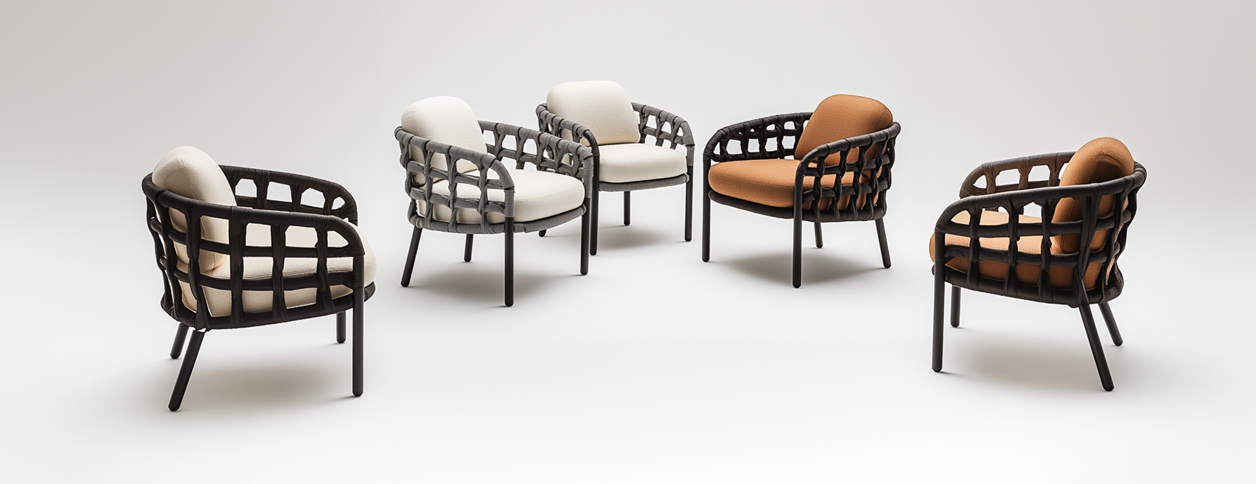
When planning your outdoor space, one of the key decisions you’ll face is selecting the right outdoor sun lounger. While aesthetics and comfort are essential, size plays an equally important role. Choosing a lounger that fits your body, layout, and environment can significantly affect your relaxation and the functionality of your space.
In this article, we’ll dive into the average size of an outdoor sun lounger, explore variations based on design and materials, and help you determine what size suits your needs best.
_0RpM3t.jpg)
_V9bRdp.jpg)
Standard Dimensions of an Outdoor Sun Lounger
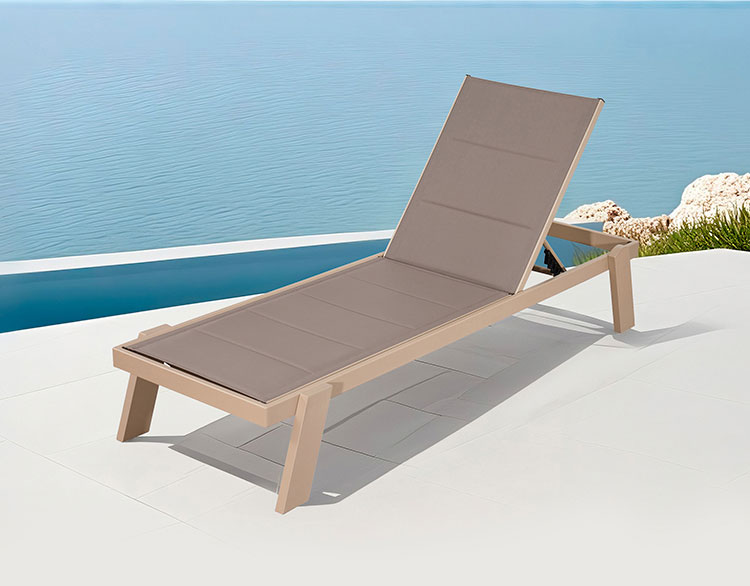
On average, a standard outdoor sun lounger measures:
Length: 72 to 80 inches (183 to 203 cm)
Width: 24 to 30 inches (61 to 76 cm)
Height (from ground to seat): 12 to 18 inches (30 to 45 cm)
These dimensions are designed to comfortably accommodate adults of various sizes, allowing for full-body stretching and reclining.
Most loungers are intentionally low-profile to keep you closer to the ground, enhancing stability and making them ideal for poolside use.
Variations Based on Style
Lounger sizes can vary significantly depending on the type of design. Here are a few common variations:
Foldable Loungers: Designed for portability, these are typically more compact, often closer to 72 inches in length and 24 inches in width.
Oversized or Double Loungers: These offer extra space and comfort, ranging from 30 to 40 inches wide and 80 inches long. They're ideal for people who enjoy more room or want to lounge with a partner.
Curved Frame Loungers: These feature ergonomic designs and can be slightly shorter due to the shape, though they still offer ample body support.
Chaise Loungers with Armrests: These often add width due to the armrest design and may range from 28 to 32 inches in width.
If you’re buying a backyard sun lounger with storage or wheels, additional dimensions should be considered for maneuverability and space planning.
Sizing for Comfort and Posture
The comfort of a waterproof sun lounger isn’t only about length and width—it’s also about posture. A properly sized lounger should:
Support your neck and lower back in multiple positions.
Accommodate your full body when lying flat.
Allow for adjustment without forcing awkward bends in knees or shoulders.
Many loungers feature adjustable backs with 4 to 6 reclining positions. The best ones align with your natural sitting and lying posture, making sizing a crucial element of comfort.
.jpg)
.jpg)
Consider the Cushions
While discussing size, we can’t ignore the impact of cushions on dimensions. Many outdoor sun loungers include padded cushions, which:
Increase seat height by 2–4 inches.
Slightly reduce internal width depending on cushion thickness.
Require additional space when stored separately.
For waterproof models, cushions are often made with quick-dry foam and UV-resistant fabric. These don’t significantly affect frame dimensions but may influence how the lounger fits in storage spaces.
Planning Lounger Spacing
If you’re arranging multiple loungers, spacing is key for comfort and movement. Here’s a general layout guide:
Minimum spacing between loungers: 12 inches (30 cm)
Ideal spacing for movement and tables: 18–24 inches (45–60 cm)
Clearance around the lounger: At least 36 inches (91 cm) for easy access
For smaller patios, opting for a narrower backyard sun lounger may free up space without sacrificing relaxation.
Matching Lounger Size to User Needs
Consider user body size and intended usage:
Taller users may prefer loungers 78+ inches long to ensure full-leg support.
Wider loungers offer extra comfort for side-sleepers or shared lounging.
Compact loungers are great for smaller patios, balconies, or when used alongside other outdoor furniture like coffee tables and planters.
Children or shorter adults may find foldable or mesh loungers more manageable and comfortable.
Storage and Portability Considerations
Don’t overlook how size affects ease of storage:
Foldable loungers collapse to about 36 x 24 x 6 inches for storage.
Rigid-frame loungers may require designated shed or wall-hanging space.
Cushioned waterproof sun loungers need dry, covered storage during winter or prolonged rain.
Choose a lounger size that not only fits your space but also suits your seasonal storage capabilities.
Size Comparison: Sun Lounger vs. Other Outdoor Furniture
To understand how an outdoor sun lounger compares:
Outdoor dining chairs: Typically 18 inches wide and 36 inches tall.
Adirondack chairs: Around 28 inches wide but not designed for reclining.
Outdoor sofas: 30+ inches deep, but they don’t recline fully like loungers.
Loungers occupy more horizontal space but offer the unique benefit of full recline and portability.
Buying Tips for the Right Size
When shopping for a lounger, consider these tips:
Measure the intended placement area, factoring in clearance.
Check product specifications carefully, especially folded dimensions.
Opt for models with adjustable heights or backrests for better flexibility.
Look for ergonomic shapes if you prefer less bulk with better posture support.
Conclusion
The average outdoor sun lounger is about 75 inches long and 26 inches wide, but size can vary depending on design, materials, and intended use. Whether you want a sleek lounger for a small balcony or an oversized backyard sun lounger for poolside relaxation, understanding dimensions helps you make a smarter purchase. From comfort to storage, your perfect waterproof sun lounger starts with finding the right fit.
READ MORE: