Choosing the ideal outdoor sun lounger for your patio, deck, or garden involves more than just picking a style or color—it’s also about selecting the right size. Whether you’re outfitting a spacious backyard or a compact balcony, knowing the average dimensions of a lounger can help you plan a layout that’s functional and inviting.
In this article, we’ll explore typical measurements for sun loungers, how variations affect comfort and usability, and how to pick a size that fits your needs and space perfectly.
_M6oaWJ.jpg)
_HXI8DI.jpg)
Typical Sun Lounger Dimensions
Most outdoor sun loungers fall within a standard size range that’s designed to accommodate the average adult body. General dimensions include:
Length: 72 to 80 inches (183 to 203 cm)
Width: 24 to 30 inches (61 to 76 cm)
Seat Height: 12 to 18 inches (30 to 45 cm) from the ground
These sizes support full-body lounging in a variety of reclining positions, making them perfect for sunbathing, reading, or even quick naps outdoors.
Width Considerations
The width of a lounger is particularly important for comfort and space planning. Standard models are usually 24 to 26 inches wide, which provides enough room for a single person to relax comfortably.
However, backyard sun loungers with armrests or side panels may push that width to 28 or even 32 inches. Oversized loungers, including those made for two people, can be as wide as 40 inches.
When setting up multiple loungers side by side, allow at least 12 to 18 inches of clearance between them for side tables or walking space.
Lounger Length and Legroom
Standard-length loungers (72 to 75 inches) work well for most adults. But if you’re taller than 6 feet, consider a model that extends closer to 80 inches. A backyard sun lounger should support your full frame without forcing your feet to dangle off the edge.
Some loungers also include built-in leg rests or extendable foot sections that add 5–10 inches of legroom.
Adjustable Backrest Sizes
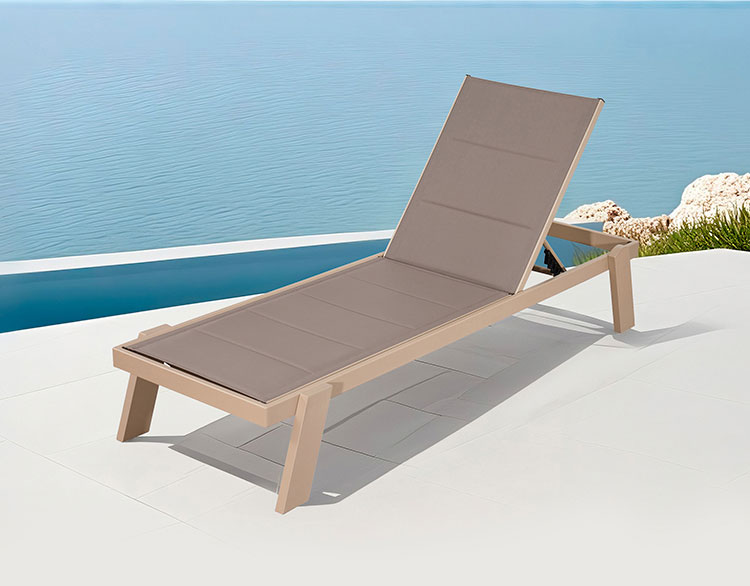
Many outdoor sun loungers feature an adjustable backrest, which typically measures 18 to 24 inches tall when raised. Multi-position frames offer up to 5 or 6 settings, from fully flat to upright.
The space required for reclining backward or raising the backrest should also be factored into your placement strategy—especially if you’re working with limited square footage.
Cushion Thickness and Padding
Lounger cushions can affect the total height and perceived comfort of the piece. Most models feature cushions between 2 and 4 inches thick. While these do not drastically change the width or length of the lounger, they add height and can influence how easy it is to get on and off.
Water-resistant cushions are common in any waterproof sun lounger setup, especially those designed for poolside use. Thicker padding offers more comfort but can increase drying time and require more maintenance.
Folding Loungers: Compact and Convenient
Folding loungers are popular in smaller gardens or patios. When in use, they may still follow standard dimensions, but when folded, they often measure:
Folded Height: 36 to 42 inches
Folded Width: 24 to 28 inches
Folded Depth: 4 to 6 inches
These loungers are easier to store, transport, and reposition with the sun—making them an excellent choice for seasonal or limited-space use.
.jpg)
.jpg)
Choosing Lounger Size for Your Space
Before purchasing a backyard sun lounger, assess how much space you have. Here’s a guideline based on typical layouts:
Small patio: One lounger + 1 small table – approx. 30 sq. ft.
Medium deck: Two loungers + umbrella + table – approx. 80 sq. ft.
Large garden: Four loungers + side tables + planters – 150+ sq. ft.
Be sure to leave walking paths (2–3 feet wide) and access to doors or gates. If you’re arranging loungers near a pool, keep at least 36 inches of clearance from the pool edge.
How Lounger Size Affects Comfort
Larger loungers provide more room to shift positions and stretch, which can improve circulation and help avoid stiffness after long sessions. Loungers that are too narrow or short may cause discomfort, especially if you prefer lying flat or turning on your side.
Choosing a wider outdoor sun lounger also allows space for accessories like:
Cushions or pillows
Beach towels
Drink trays or reading materials
Sun Lounger vs. Other Outdoor Furniture Sizes
To help visualize the scale of a lounger compared to other outdoor furniture, consider:
Bistro chair: ~18 inches wide
Loveseat: ~50 inches wide
Chaise lounge: ~60 to 72 inches long
Outdoor sectional: 80+ inches wide and deep
Loungers require more horizontal space than chairs but are more versatile in how they can be arranged and moved.
Waterproof Sun Lounger Sizing
If you’re investing in a waterproof sun lounger, know that the size may slightly differ due to added water-resistant design elements:
Thicker frames to support moisture-wicking materials
Heavier fabric or mesh for durability
Protective cushion covers, adding bulk
These loungers are built to resist rain, humidity, and sun exposure—making them ideal for open gardens or poolside arrangements.
Conclusion
The average outdoor sun lounger measures approximately 75 inches long by 26 inches wide, but your ideal size may vary based on your space, height, and design preferences. Whether you need a compact folding lounger for a small patio or a wide waterproof sun lounger for your backyard oasis, understanding dimensions is essential to creating a relaxing and functional outdoor environment.
READ MORE: