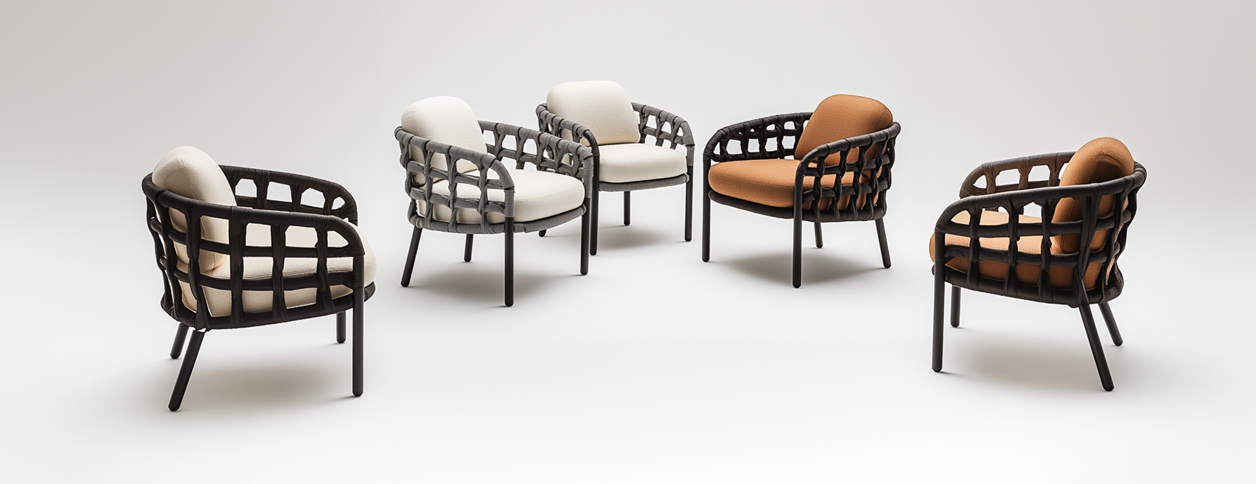
The outdoor sun lounger has become a symbol of leisure and backyard living. Whether you are reclining poolside, lounging on a deck, or resting in a shaded garden, a lounger provides comfort and functionality. But beyond aesthetics and style, one crucial question often comes up for buyers: how much weight can a lounger really support? Understanding this detail ensures both safety and long-term use.
In this article, we will explore typical weight capacities, what influences them, how materials affect strength, and why choosing the right lounger for your needs is essential.
.jpg)
.jpg)
Standard Weight Capacity
Most loungers are built to support between 220 and 330 pounds (100–150 kilograms). This range covers the majority of adult users. However, premium loungers designed with stronger frames can handle 400 pounds or more. Some specialty
models even claim support of up to 500 pounds, often marketed for commercial or heavy-duty use.
When choosing a backyard sun lounger, it’s best to consider who will be using it. A single lightweight user may be fine with a standard model, while families or commercial spaces such as resorts should opt for higher-capacity loungers.
Why Weight Capacity Is Important
Weight capacity isn’t just a number in the product description—it’s an indicator of safety and structural integrity. Exceeding the limit can cause bending, fabric tearing, or even collapse. This not only shortens the lounger’s lifespan but also poses risks of injury.
Selecting a waterproof sun lounger or high-capacity design ensures peace of mind. Stronger loungers are built with better materials and reinforcements, meaning they can withstand long-term use without losing stability.
Material Considerations
The material of the frame plays a critical role in determining how much weight a lounger can hold.
Wooden Frames: A backyard sun lounger made from teak or eucalyptus is usually very sturdy. Teak’s natural oils protect against moisture, while its dense structure makes it capable of supporting heavy weights.
Aluminum Frames: Aluminum is lightweight but surprisingly strong. Many modern designs use reinforced joints and powder-coated finishes to ensure both rust resistance and durability. However, thinner or cheaper aluminum frames may support less.
Steel Frames: Heavy but extremely durable, steel is often used in commercial settings. These loungers are harder to move but provide exceptional strength.
.jpg)
.jpg)
Fabric and Cushion Strength
It’s not just the frame that determines capacity—the fabric or cushion system matters too. Low-quality fabric may sag or tear, while high-grade sling fabric or quick-dry cushions enhance durability. A waterproof sun lounger often uses reinforced stitching and weather-resistant textiles, which contribute to higher weight tolerance.
Design and Engineering
A lounger’s structure is as important as its material. Features that influence weight capacity include:
Reinforced Joints: Bolted or welded joints provide more strength than simple fastenings.
Cross-Bracing: Additional bars or supports distribute weight evenly.
Adjustable Frames: Loungers with multiple reclining positions must be engineered carefully to support shifting weight without failing.
Well-designed loungers integrate these features to ensure long-lasting performance.
Waterproof and Weather-Resistant Loungers
A waterproof sun lounger is not just about protection from rain. Waterproof construction often means stronger fabrics and better reinforcements, which increase the lounger’s overall resilience. This makes them particularly valuable in coastal or poolside settings where exposure to moisture is constant.
Over time, waterproof models also maintain their weight capacity better because they resist mold, rust, and weakening caused by environmental stress.
Weight Capacity and Comfort
Interestingly, higher-capacity loungers often provide greater comfort. The added reinforcements create stability, meaning the lounger doesn’t creak, shift, or wobble under pressure. This stability enhances the sense of security, allowing users to relax fully.
For families, a backyard sun lounger with a high capacity ensures it can be used by all members comfortably. Even when multiple people sit together briefly, the lounger remains safe and reliable.
.jpg)
.jpg)
Matching Loungers with Outdoor Furniture
When designing an outdoor space, weight capacity should be considered alongside style. Loungers are often paired with matching chairs, tables, and umbrellas. Choosing durable, high-capacity loungers ensures harmony not only in aesthetics but also in functionality. The lounger becomes a dependable centerpiece of outdoor furniture rather than a weak link.
Commercial vs. Residential Use
In commercial settings such as hotels, resorts, or spas, loungers must handle constant, heavy use. These environments demand models rated for higher capacities and built from premium materials. For residential backyards, the same standards can be applied for longevity, especially if the lounger will be frequently used by multiple people.
How to Choose the Right Weight Capacity
Assess Needs: Consider who will use the lounger most frequently.
Check Manufacturer Specifications: Look for explicit weight capacity ratings.
Choose Higher When in Doubt: Select a lounger rated for more weight than you think you’ll need.
Prioritize Durability: A waterproof sun lounger offers both strength and resilience.
Maintenance Tips to Preserve Strength
Even the strongest lounger can weaken if poorly maintained. Wooden loungers should be treated with oils to preserve their strength. Aluminum loungers benefit from regular cleaning to prevent corrosion. Fabrics should be checked for wear and replaced if necessary.
By following these practices, the lounger’s weight capacity remains reliable for years.
Conclusion
A typical outdoor sun lounger supports 220–330 pounds, while heavy-duty models can hold 400 pounds or more. Materials, design, and fabric strength all influence this number. For homeowners seeking reliability, a sturdy backyard sun lounger or a waterproof sun lounger built with reinforced construction ensures safety and comfort.
As part of essential outdoor furniture, choosing the right lounger is not just about style—it’s about trust and peace of mind. With the right choice, you can enjoy countless hours of relaxation without worrying about strength or stability.
READ MORE: