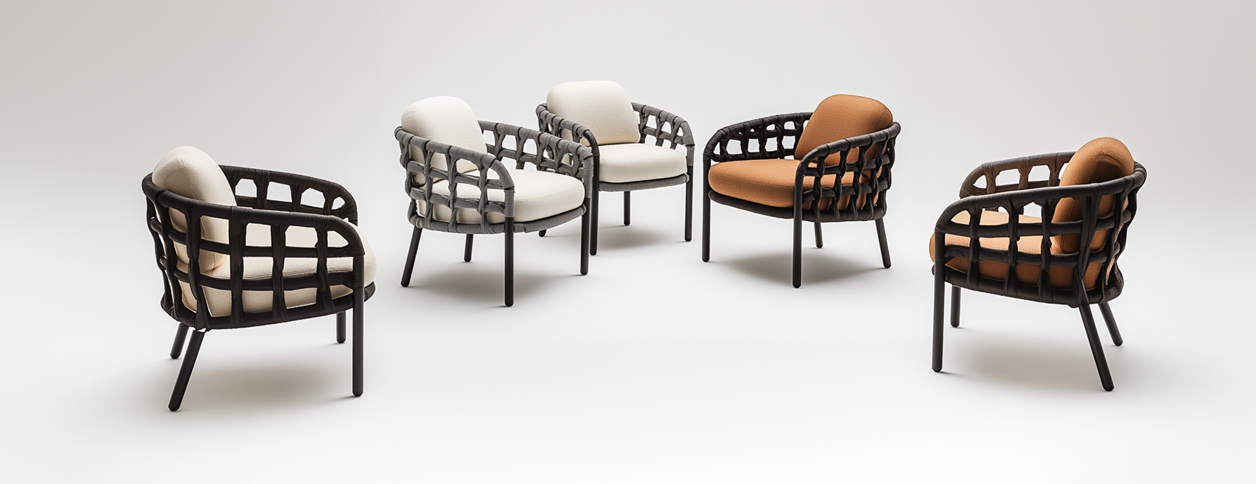
In recent years, outdoor living areas have transformed from simple patios into sophisticated extensions of the home. The choice of an outdoor sun lounger is no longer limited to comfort alone—it has become a design decision that expresses personality and lifestyle. Among the many elements to consider, color stands out as one of the most impactful. The color of your lounger sets the tone for the entire space, influencing atmosphere, mood, and visual harmony.
_qljn6b.jpg)
_oRFxNo.jpg)
Neutral Shades: Calm, Clean, and Universally Appealing
One of the most enduring color choices for loungers is the neutral palette. Tones like ivory, beige, and light grey remain timeless for good reason. They create a sense of calm and pair effortlessly with both natural landscapes and modern architecture. Resorts, wellness retreats, and minimalist gardens often favor these shades to maintain a serene atmosphere. A backyard sun lounger in beige or grey integrates seamlessly with most environments, while also serving as a blank canvas for colorful cushions and accessories.
Dark Elegance: Modern Homes Embrace Deeper Tones
Modern outdoor design increasingly highlights deeper, moodier tones. Charcoal, black, and navy offer a sleek look that complements contemporary spaces with metallic finishes or stone surfaces. These shades add depth and sophistication while being practical for hiding stains and wear. A dark-colored outdoor sun lounger makes a bold design statement, especially when paired with lighter surroundings such as pale decking or bright pool tiles. This contrast creates a dramatic yet balanced visual appeal.
.jpg)
.jpg)
Bright and Playful Colors: Adding Energy to Outdoor Living
For those who want their outdoor spaces to feel vibrant and lively, bold colors are the way to go. Bright turquoise, coral pink, and sunny yellow are gaining popularity, particularly in coastal homes and tropical climates. These shades reflect the energy of summer and create a festive environment for social gatherings. Advances in UV-resistant finishes ensure that a waterproof sun lounger in a vibrant shade can withstand the elements while retaining its brilliance. Such pieces quickly become the centerpiece of any patio, inviting relaxation and conversation.
Natural Finishes: Wood and Earthy Palettes
Natural finishes remain a cornerstone of outdoor design, emphasizing warmth and sustainability. Wooden loungers made of teak, acacia, or eucalyptus are both durable and aesthetically pleasing. When paired with cream or white cushions, they create a harmonious balance between nature and comfort. This style is particularly attractive to eco-conscious homeowners who want their furniture to reflect environmental awareness. A backyard sun lounger with a natural wood frame conveys timeless elegance while blending seamlessly into gardens and landscapes.
.jpg)
.jpg)
Emerging Dual-Tone Combinations
Design innovation has brought forth a trend in dual-tone loungers, where contrasting colors highlight structure and style. A black aluminum frame paired with soft beige fabric is a prime example. These combinations not only modernize outdoor settings but also give homeowners flexibility to coordinate with other outdoor furniture. The dual-tone approach is especially appealing to those who want subtle variety without committing to overly bold colors.
Seasonal and Practical Considerations
Color selection is also influenced by practicality and seasonality. Light colors may require more frequent cleaning, while very dark tones can become uncomfortably hot under direct sunlight. Mid-range colors like sandy beige or warm grey offer a balanced solution. Seasonal changes also affect trends: bright colors dominate during spring and summer, while earthy tones and muted hues are favored in autumn and winter. Updating the fabric of a waterproof sun lounger allows for seasonal flexibility without purchasing entirely new pieces.
Conclusion: A Personal Approach to Color Choices
The most popular colors for loungers are those that balance style with practicality. Neutrals remain timeless, darker shades emphasize sophistication, vibrant tones inject energy, and natural finishes reinforce sustainability. Each choice reflects not only current design trends but also the homeowner’s vision for their outdoor lifestyle. Whether enhancing a tranquil retreat or energizing a social patio, the color of your outdoor furniture plays a defining role in the overall atmosphere.
READ MORE: