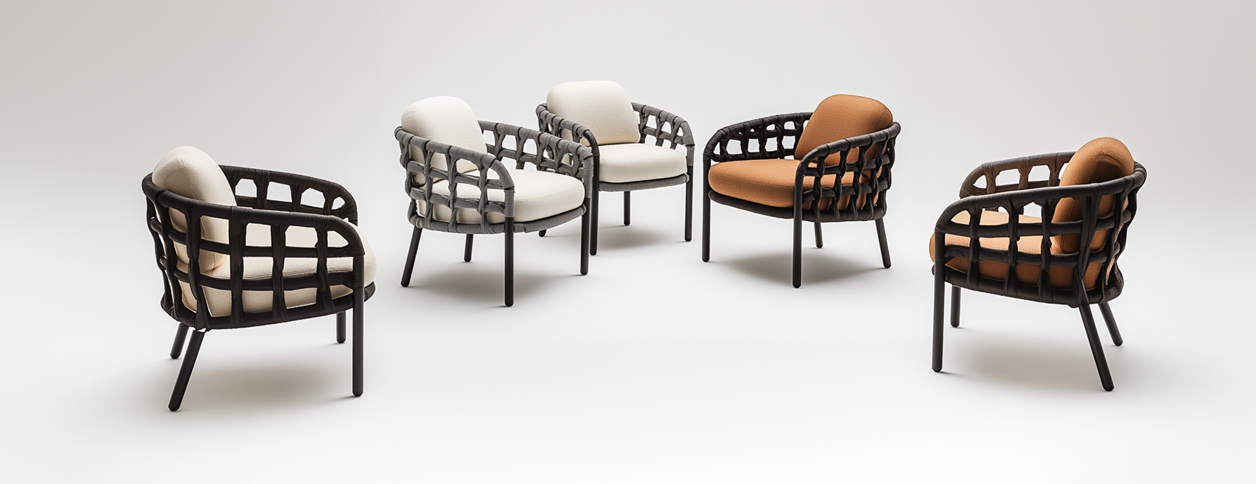
Outdoor living has become an essential part of modern home design, and the humble outdoor sun lounger is often the centerpiece of patios, pool decks, and gardens. While comfort and durability are crucial, color selection plays an equally important role in shaping atmosphere and functionality. The right shade can make a small backyard feel larger, a bright poolside more inviting, or a natural garden more harmonious. Color is not just decoration—it is a design tool that transforms an ordinary lounger into a lifestyle statement.
_dO6SBb.jpg)
_8yF7u1.jpg)
Neutral Colors: A Safe and Stylish Choice
Neutrals remain the most popular palette for loungers. Beige, white, cream, and light grey have long been favored because they fit effortlessly into any environment. These shades complement both traditional and contemporary architecture, creating a clean and elegant backdrop. A backyard sun lounger in light grey or cream pairs beautifully with vibrant plants and colorful garden accents, ensuring balance without overwhelming the space. Resorts often rely on neutral loungers to create a serene, calming atmosphere that appeals universally.
Dark Tones: Contemporary Sophistication
For homeowners who prefer bold statements, darker shades like charcoal, black, or navy offer striking alternatives. These colors deliver a sleek, modern look and provide visual contrast against light-colored patios, decking, or pool tiles. A dark outdoor sun lounger exudes sophistication while also hiding stains better than lighter shades, making it practical for families and high-traffic outdoor spaces. When paired with metallic or glass elements, dark loungers help create a high-end, contemporary outdoor aesthetic.
Bright Colors: Infusing Energy and Personality
Bold, bright colors are gaining popularity among adventurous homeowners who want their outdoor spaces to feel fun and vibrant. Shades like turquoise, coral, mustard yellow, and lime green evoke energy and joy, making them ideal for parties and summer gatherings. Modern UV-resistant materials ensure that a waterproof sun lounger in these lively shades maintains its vibrancy even in direct sunlight. These loungers stand out as statement pieces, instantly energizing a patio or poolside with a playful and welcoming vibe.
Natural Wood and Earthy Finishes
Despite the rise of modern trends, natural wood tones never go out of style. Wooden loungers made from teak or acacia showcase warm earthy finishes that blend seamlessly with gardens and green landscapes. A backyard sun lounger with a natural frame and soft cream cushions provides comfort while emphasizing sustainability and organic design. As eco-friendly living gains traction, earthy palettes reflect not only style but also environmental awareness. A wooden lounger paired with soft fabrics creates a timeless, authentic outdoor space.
Dual-Tone and Minimalist Trends
Innovative combinations are becoming increasingly popular, particularly dual-tone loungers. For instance, a sleek black frame with beige or ivory cushions highlights both strength and softness. This approach works well in minimalist spaces where subtle contrasts enhance visual appeal without overwhelming the design. Scandinavian-inspired palettes—light woods, whites, and muted greys—are also trending, reflecting simplicity and functionality. A waterproof sun lounger designed with dual tones offers not only resilience against weather but also a contemporary edge that appeals to modern homeowners.
.jpg)
.jpg)
Practical Aspects of Color Choices
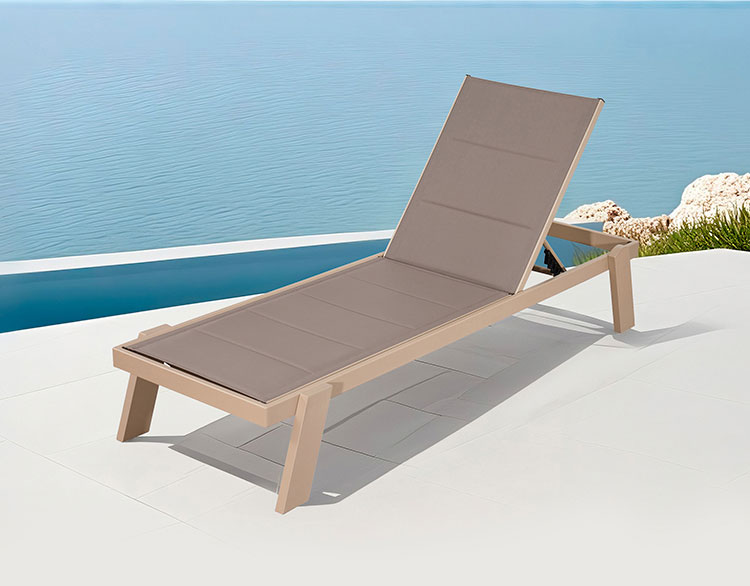
When selecting lounger colors, practical considerations are as important as aesthetics. Light tones may show stains and require more frequent cleaning, while very dark colors can heat up quickly under the sun, becoming uncomfortable. For many, mid-tones like sandy beige or stone grey provide the best compromise. Seasonal preferences also influence choices: cheerful, bright shades are popular in summer, while deeper or earthy colors feel more appropriate in autumn and winter. Replacing cushion covers allows homeowners to refresh their outdoor furniture without replacing the entire lounger.
Conclusion: Defining Outdoor Living Through Color
The color of your lounger is more than just a surface detail—it defines the style, mood, and usability of your outdoor space. Neutrals bring timeless elegance, dark tones add modern sophistication, bright colors infuse energy, and natural wood emphasizes sustainability. Each choice reflects both personal taste and practical needs. Ultimately, the most popular colors for sun loungers are those that balance durability, comfort, and harmony with the environment. By carefully selecting the right shade, you ensure that your outdoor furniture enhances not only the look of your patio or garden but also the quality of your outdoor living experience.
READ MORE: