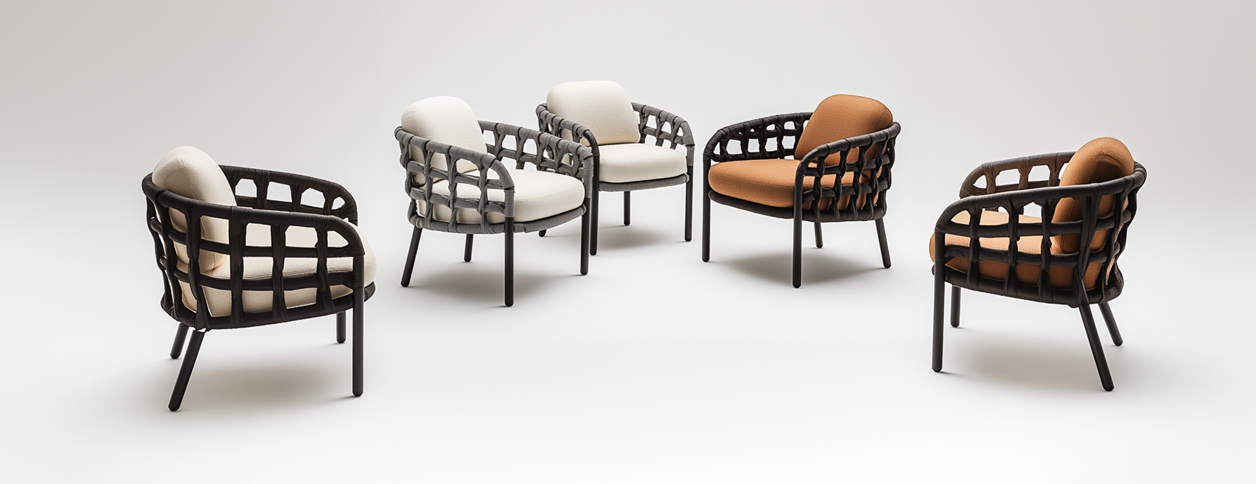
An outdoor sun lounger is a favorite spot for relaxation, whether placed on a patio, in a garden, or by the pool. However, constant exposure to sun, rain, dust, and body oils means it requires ongoing care. Without regular maintenance, loungers may quickly develop mildew, fading, or structural damage. Fortunately, maintaining and cleaning them is straightforward. With simple strategies, homeowners can keep loungers looking attractive and functional for many years.
_oCfO6U.jpg)
_DTyizs.jpg)
Routine Cleaning for Daily Freshness
Daily cleaning doesn’t have to be complicated. After each use, quickly wipe down the lounger with a damp microfiber cloth to remove dust, sunscreen, or grass. Once a week, wash with a mild soap and water solution. Use a sponge or soft brush for scrubbing, then rinse thoroughly. Allow the outdoor sun lounger to dry fully in sunlight before covering or using it again. Small daily habits prevent dirt from building up and make deep cleaning much easier later.
Deep Cleaning Cushions and Fabric Surfaces
Cushions absorb oils, sweat, and moisture, making them a common source of mildew. Remove covers and machine wash them whenever possible. If machine washing isn’t suitable, soak in soapy water, scrub gently, and rinse. For fixed cushions, scrub with a mild detergent solution and rinse well. Allow cushions to dry completely in sunlight before reuse. If your backyard sun lounger has quick-dry foam, tilt it upright to help water drain faster. For mildew stains, a mixture of vinegar and water works as a safe, natural cleaner.
Caring for Wooden, Aluminum, and Resin Frames
Lounger frames need tailored maintenance based on material. Wooden frames should be wiped down regularly and treated with teak or linseed oil at least once a year. Even naturally durable hardwoods benefit from sealing, which prevents cracks and water damage. Aluminum frames resist rust but should be rinsed to remove dust or salt. Any scratches in powder coatings should be repaired to prevent corrosion. Resin and plastic frames, common in a waterproof sun lounger, require minimal care but should still be cleaned and checked for cracks.
.jpg)
.jpg)
Preventing Mold and Mildew Growth
Mold thrives on moisture, so keeping loungers dry is essential. After rain or pool use, wipe down frames and fabrics promptly. Place the outdoor sun lounger in sunlight, as UV rays naturally kill spores and prevent mildew. If mildew appears, scrub gently with vinegar or apply baking soda paste to affected areas. Storing cushions indoors also significantly reduces mold risk. Covers should always be breathable, as plastic tarps trap condensation and encourage fungal growth.
Using Covers to Reduce Cleaning Needs
High-quality covers reduce the frequency of cleaning by protecting loungers from dust, rain, and sunlight. Choose covers that are breathable and water-resistant, not airtight. A waterproof sun lounger with a fitted breathable cover remains cleaner and avoids fading. Covers should fit snugly, with straps or elastic hems to stay secure during wind. This small investment saves hours of scrubbing and helps extend the lounger’s life.
Seasonal Maintenance and Winter Storage
At the start of each summer season, check for loose screws, treat wood with oil, and inspect cushions for wear. During the season, repeat light cleaning routines to prevent buildup. At the end of summer, give the lounger a deep clean before preparing for storage. If possible, store indoors in a garage or shed during winter. If outdoor storage is the only option, elevate the backyard sun lounger off the ground and cover with breathable material. This prevents moisture absorption and protects against snow or rain.
.jpg)
.jpg)
Eco-Friendly Cleaning Solutions
Many natural cleaning products are both safe and effective. Vinegar eliminates mildew, baking soda removes stains, and lemon juice brightens fabrics. Natural oils like teak oil protect wooden frames and add shine. These eco-friendly methods are safe for pets, children, and the environment, making them an excellent choice for families. Using natural cleaners regularly ensures your outdoor furniture remains fresh without harsh chemicals.
Quick Maintenance Tricks for Busy Owners
Even busy homeowners can keep loungers clean with simple tricks. Keep a spray bottle of diluted soap solution handy for quick wipe-downs. Store cushions indoors daily to avoid mildew. Use microfiber cloths for fast spot cleaning, and shake off debris such as sand or leaves before storing. These small actions take just minutes but save hours of scrubbing in the long run.
Conclusion: Lasting Comfort Through Simple Care
Caring for loungers doesn’t have to be difficult. By adopting easy habits such as wiping daily, deep cleaning cushions, using breathable covers, and applying seasonal maintenance, loungers remain beautiful and durable. A backyard sun lounger or waterproof sun lounger maintained with care will provide many seasons of enjoyment. Protecting your investment in outdoor furniture with simple routines ensures long-lasting comfort and style, making every moment outdoors more enjoyable.
READ MORE: