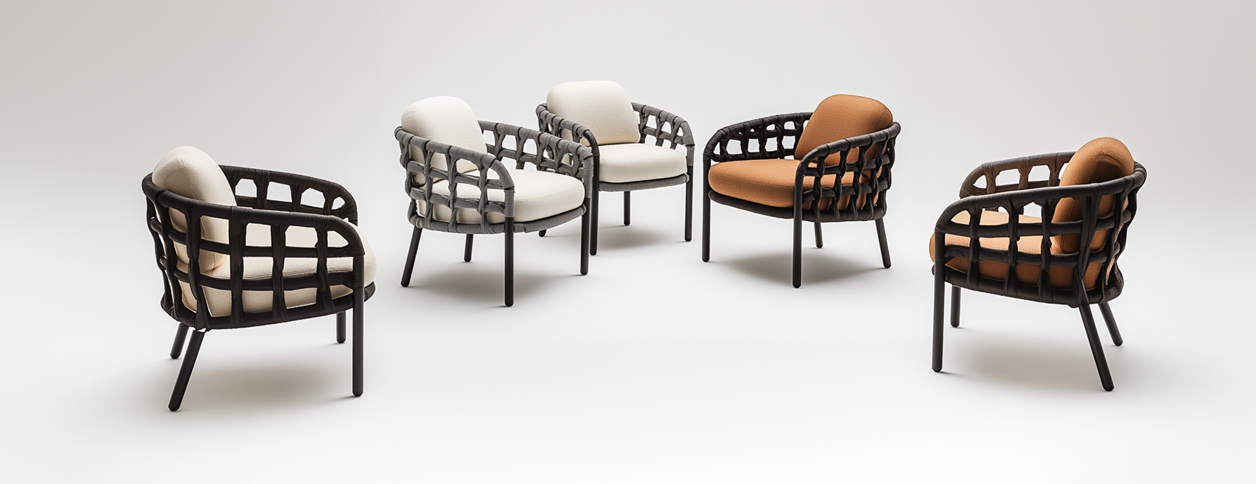
When it comes to relaxing in your backyard, few pieces of furniture provide the same level of comfort and style as an outdoor sun lounger. Whether you're basking in the sun or reading a good book in the shade, a well-maintained lounger enhances your outdoor experience. However, to keep it in excellent shape, regular maintenance and cleaning are essential. This guide offers practical tips on how to easily care for your outdoor sun lounger and extend its lifespan.
_oCfO6U.jpg)
_DTyizs.jpg)
Understand the Material of Your Lounger
The first step to maintaining your lounger is understanding what it’s made of. Different materials require different care techniques. Most outdoor sun loungers are made from one or a combination of these materials:
Wood (e.g., teak, eucalyptus): Requires oiling and protection from moisture.
Metal (e.g., aluminum, steel): Needs protection from rust and regular dust removal.
Plastic/Resin: Easy to clean but prone to discoloration if left under the sun for long periods.
Fabric (e.g., cushions, mesh): Needs regular washing and mold prevention.
Knowing the material will help you choose the right cleaning agents and maintenance techniques.
Routine Cleaning for Daily Use
Routine cleaning is a quick and simple way to keep your outdoor sun lounger looking fresh. Dust, pollen, and bird droppings are common in outdoor settings and can accumulate rapidly.
Dust and Wipe: Use a soft cloth or a brush to remove loose dirt.
Mild Soap Solution: Mix mild soap with warm water and use a sponge to scrub surfaces gently.
Rinse: Always rinse thoroughly with clean water to remove any soap residue.
Dry Properly: Let the lounger air dry completely to prevent mold and mildew, especially if it's a waterproof sun lounger.
This type of cleaning should be done weekly, especially if the lounger is exposed to the elements without any covering.
Deep Cleaning for Seasonal Maintenance
A deep clean is recommended at the beginning and end of each season. Here's how you can do it effectively:
Disassemble if Possible: If your lounger can be taken apart, do so for easier cleaning.
Scrub Thoroughly: Use a soft brush and a gentle cleaner suitable for your lounger’s material.
Clean Cushions Separately: Most cushions have removable covers that can be machine washed. If not, spot clean with a fabric cleaner.
Rinse and Dry: After scrubbing, rinse off all cleaning solutions and allow each part to dry completely before reassembling.
This process ensures your lounger remains in good condition and is free from deep-seated dirt or mold.
.jpg)
.jpg)
Protective Measures Against Weather
Outdoor furniture, including the backyard sun lounger, is constantly exposed to weather elements. While most are designed to be weather-resistant, additional protection can greatly extend their life.
Covers: Invest in high-quality waterproof covers to shield your lounger from rain, snow, and UV rays.
Storage: During extreme weather or off-season months, store your lounger in a shed or garage.
Waterproofing Sprays: Apply fabric and wood waterproofing sprays annually for added protection, especially important for your waterproof sun lounger.
These small investments in protection can save you from the cost of repairs or replacements down the line.
Handling Mold and Mildew
Even a waterproof sun lounger can develop mold and mildew in humid environments if not cared for properly. If you notice black spots or a musty smell, act quickly.
Use Vinegar Solution: Mix equal parts of white vinegar and water, then spray on the affected areas.
Let it Sit: Allow the solution to sit for at least 15 minutes before scrubbing.
Rinse Thoroughly: Rinse with clean water and leave in direct sunlight to dry completely.
Sunlight acts as a natural disinfectant and helps eliminate lingering bacteria.
Maintaining Metal Loungers
Metal loungers, especially those made of steel or iron, are prone to rust over time. Regular maintenance includes:
Rust Removal: Use a wire brush or sandpaper to remove any rust spots.
Protective Coating: Apply rust-resistant paint or sealants after cleaning.
Check for Loose Screws: Tighten any bolts or screws to maintain structural integrity.
Aluminum loungers are less likely to rust but still benefit from occasional cleaning and inspection.
Caring for Wooden Loungers
Wooden loungers, while elegant, require more maintenance than metal or plastic alternatives. Here’s how to care for them:
Oiling: Apply teak or wood oil every few months to preserve color and prevent cracking.
Avoid Standing Water: Wipe off water after rain to avoid wood rot.
Sanding: Lightly sand any rough or splintered areas before oiling to keep the surface smooth.
If your wooden backyard sun lounger is treated properly, it can last for years and become even more beautiful with age.
.jpg)
.jpg)
Tips for Fabric and Cushions
Cushions and fabric elements are the most susceptible to wear. Proper maintenance includes:
Storing Indoors: Bring cushions inside when not in use or during inclement weather.
Use of Covers: Slipcovers protect the fabric and are easier to clean.
Fabric Protectants: Use UV and water-resistant sprays to extend fabric life.
Machine washing should be done only according to the manufacturer’s instructions to prevent damage.
Incorporating Maintenance into Your Routine
Making lounger maintenance part of your routine helps you avoid time-consuming deep cleans. After each use:
Brush off debris
Cover when not in use
Store cushions properly
A few minutes of care after each use can greatly reduce the need for intensive seasonal maintenance.
Eco-Friendly Cleaning Options
If you’re environmentally conscious, there are several green cleaning alternatives:
Baking Soda Paste: Great for scrubbing stubborn stains on plastic or metal.
Castile Soap: A plant-based soap ideal for most materials.
Lemon Juice: Combines cleaning power and a fresh scent, particularly effective on metal parts.
These options are safe for children, pets, and the environment, making them excellent for family backyards.
Conclusion
Taking care of your outdoor sun lounger doesn't have to be a daunting task. With regular cleaning, weather protection, and attention to material-specific care, your lounger can remain in pristine condition for many years. Remember, whether it's a waterproof sun lounger for rainy climates or a stylish backyard sun lounger for sunny afternoons, each type deserves a little TLC. Incorporate these maintenance habits into your routine, and enjoy the comfort and style your lounger brings to your outdoor furniture collection.
READ MORE: