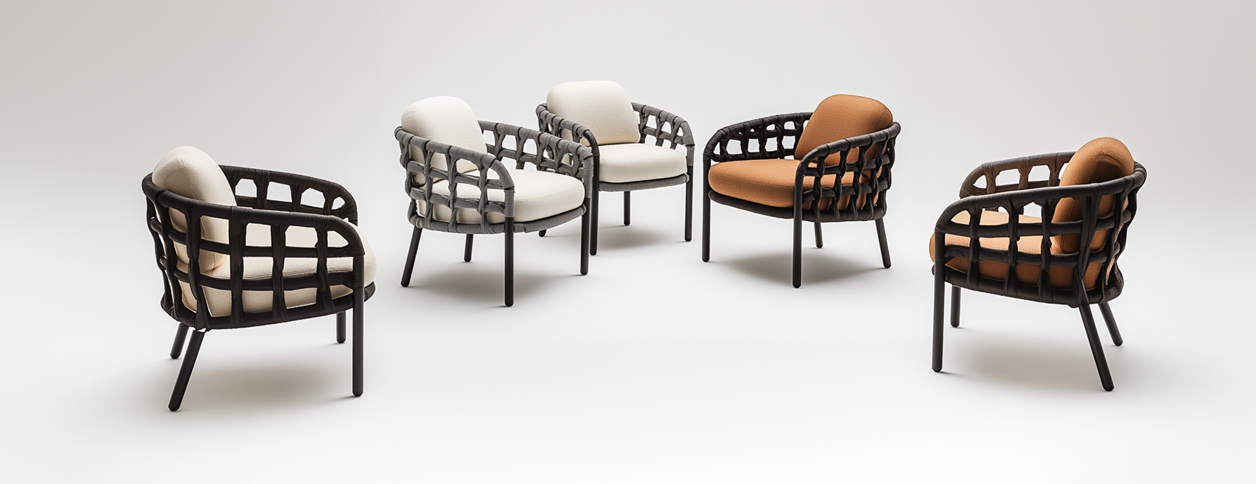
When you think about lounging in your garden or by the pool, an outdoor sun lounger is likely the first image that comes to mind. Designed for comfort and relaxation, this essential piece of outdoor furniture often becomes a favorite spot for soaking up the sun or enjoying a lazy afternoon. However, its exposure to the elements makes it vulnerable to wear and tear. Luckily, maintaining your lounger doesn’t require a massive time investment. With a few simple habits and tools, you can easily keep your backyard sun lounger in top shape all year round.
_dO6SBb.jpg)
_8yF7u1.jpg)
Understanding the Needs of Your Lounger
Just like any investment in your home, your outdoor sun lounger needs consistent care. The more you understand its construction and materials, the better you can care for it. Common materials include:
Aluminum or steel frames: Rust-resistant but still benefit from occasional cleaning and inspection.
Teak or other hardwoods: Require periodic oiling to maintain color and resist cracking.
Plastic or resin: Low-maintenance but should be protected from extreme sun to prevent fading.
Fabrics and cushions: Vulnerable to moisture and UV damage, even in waterproof sun lounger models.
Different components have different lifespans and vulnerabilities, which you’ll want to address separately.
Establishing a Weekly Cleaning Habit
A little cleaning goes a long way. Instead of letting dirt accumulate, adopt a simple weekly cleaning routine:
Dust and Debris Removal: Use a soft brush or handheld vacuum to clear away leaves, pollen, and bird droppings.
Wipe Down Surfaces: Mix a few drops of dish soap in warm water and use a microfiber cloth to clean the frame and seat areas.
Rinse with a Hose: Especially helpful for metal or plastic parts. Avoid strong pressure on fabric sections.
Dry in the Shade: Drying in direct sunlight is effective but can fade some materials over time, especially non-UV-protected fabrics.
Maintaining this routine keeps your lounger looking clean and helps prevent stains and mildew.
Deep Clean at the Start and End of Each Season
At least twice a year, conduct a deeper cleaning session. This is particularly important if your lounger is used frequently or stored outdoors year-round.
Disassemble (if possible): Taking the lounger apart allows for better access to crevices and connecting parts.
Scrub Thoroughly: Use a gentle scrub brush and appropriate cleaner. Avoid bleach or ammonia, which can weaken materials.
Clean Cushions and Fabrics: Remove cushion covers and wash according to manufacturer’s instructions. If not removable, spot-clean with fabric cleaner or a vinegar solution.
Inspect for Damage: Look for rust, cracks, or fabric tears. Repair or replace parts as needed.
This approach ensures that even your waterproof sun lounger gets the care it needs for long-lasting performance.
.jpg)
.jpg)
Smart Storage Solutions
Protecting your lounger when it’s not in use is one of the best ways to prolong its life. Consider these storage tips:
Use Weatherproof Covers: Choose a fitted, breathable cover that shields from UV, moisture, and dust.
Elevate Off the Ground: Prevents water buildup under the lounger, especially useful for wood-based loungers.
Store Indoors in Off-Season: If you live in an area with harsh winters, store your backyard sun lounger in a shed or garage.
Stack or Fold: If space is limited, stackable or folding loungers are easier to protect and store efficiently.
Proper storage can drastically reduce the effects of sun exposure and moisture buildup.
Combatting Mold and Moisture
Even a waterproof sun lounger can fall victim to mold if not dried properly. Here’s how to tackle it:
Immediate Drying: After rain, dry the lounger with a towel or leave it in indirect sun until completely dry.
Mold Treatment: Mix equal parts white vinegar and water. Spray on affected areas, let sit for 10–15 minutes, then scrub and rinse.
Fabric Protection Sprays: Use water-repellent and anti-mildew fabric treatments every few months for added protection.
If your area is particularly humid, consider investing in anti-moisture packets or placing a fan near your storage area for ventilation.
Maintaining Fabric and Cushions
Cushions are the heart of comfort for any outdoor sun lounger, and they require more attention than you might think.
Rotate Frequently: Rotating cushions prevents uneven wear and sun fading on one side.
Remove and Store When Not in Use: Bring cushions inside during rainy or unused periods.
Use Protective Covers: UV-resistant slipcovers help preserve color and texture.
Avoid Harsh Cleaners: Stick to fabric-safe solutions to maintain waterproofing layers and prevent fiber breakdown.
Keeping fabric clean and fresh contributes significantly to the overall aesthetics of your outdoor furniture setup.
Quick Repairs and Maintenance Tips
Minor issues can become major problems if ignored. Here are quick fixes that can save your lounger from early retirement:
Loose Screws: Tighten bolts or replace rusted ones monthly.
Worn Fabric: Replace or patch torn fabric to avoid sagging.
Scuffed Frames: Use metal or wood touch-up paint to restore appearance.
Wheel and Joint Checks: If your lounger has moving parts, ensure they are greased and functional.
Regular checks can prevent mid-season surprises and help maintain safety.
.jpg)
.jpg)
Environmental Considerations
If you're mindful of environmental impact, here are some tips for green cleaning:
DIY Cleaners: Mix baking soda and lemon juice for a safe scrubbing paste.
Natural Oils: Use linseed or coconut oil for wooden lounger maintenance.
Biodegradable Soaps: These protect your garden and nearby plants from chemical runoff.
Eco-friendly maintenance ensures your outdoor space remains a healthy environment for both people and nature.
Making Maintenance a Breeze
The secret to hassle-free maintenance is consistency and simplicity. Here’s a quick monthly checklist:
Wipe down frames and surfaces
Wash or air out cushions
Inspect for wear or damage
Refresh waterproof treatments
Rotate or reposition furniture
This schedule takes only a few minutes but can greatly extend your lounger’s life.
Conclusion
Taking care of your outdoor sun lounger doesn't have to be overwhelming or time-consuming. With a few simple routines, proper cleaning techniques, and smart storage practices, you can enjoy a backyard sun lounger that stays beautiful and functional for years. Whether your lounger is metal, wood, or fabric, each has its unique care needs. And with today’s options for waterproof sun loungers and durable materials, maintaining your outdoor furniture has never been easier. Treat your lounger well, and it will reward you with countless hours of relaxation.
READ MORE: