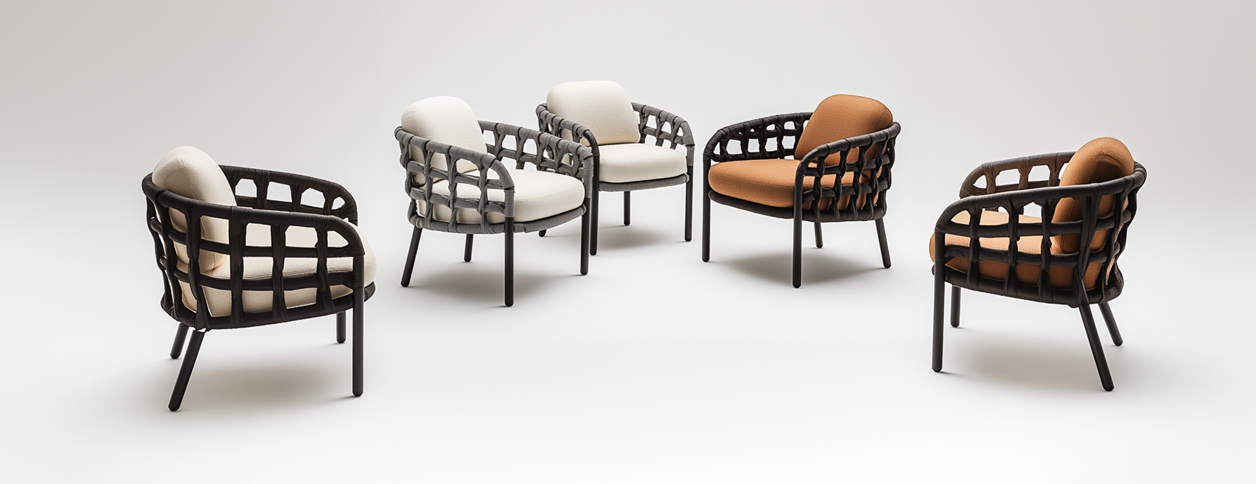
Outdoor living is a lifestyle, and your sun lounger is one of the centerpieces of that space. Whether you use it for weekend sunbathing, evening reading, or afternoon naps, it deserves the same level of attention you give to your indoor furniture. If you've invested in an outdoor sun lounger, it’s crucial to keep it clean and well-maintained to ensure its longevity and appeal. This comprehensive guide will walk you through how to clean and maintain your lounger with minimal effort.
_9cmUp1.jpg)
_qR0MNJ.jpg)
Why Maintenance Matters
An outdoor sun lounger is exposed to everything nature throws at it—sun, rain, dust, and even insects. Over time, neglecting maintenance can lead to:
Fading of color
Accumulation of dirt and grime
Mold and mildew growth
Material deterioration
Routine care not only preserves its look but also ensures your safety and comfort during use.
Know Your Lounger: Types and Materials
Before diving into cleaning techniques, it's essential to understand the construction of your lounger. The most common types include:
Wooden Loungers: Often made from teak, eucalyptus, or acacia. They need regular oiling.
Metal Loungers: Usually made from aluminum or steel, susceptible to rust.
Plastic/Resin Loungers: Lightweight, easy to clean but prone to UV damage.
Upholstered Loungers: Have fabric or mesh seating that requires more delicate cleaning.
Knowing this helps you choose the right products and techniques for cleaning and maintenance.
Daily and Weekly Cleaning Routine
Consistency is key. Implementing a quick cleaning schedule can prevent long-term buildup and damage.
Wipe Down: Use a damp microfiber cloth to wipe down your lounger every few days.
Vacuum or Brush: Remove any dust or leaves using a soft brush or vacuum with a soft nozzle.
Soap and Water: Use warm water with mild dish soap to clean surfaces weekly. This is safe for most materials.
For upholstered or cushioned areas, consider using a fabric-safe cleaner once a week to maintain freshness.
Deep Cleaning Your Lounger
At least once a season, or more frequently if used heavily, your lounger deserves a deep clean. Here's how to handle it step-by-step:
Remove Cushions and Accessories: Wash these separately, according to label instructions.
Scrub the Frame: Use a non-abrasive sponge and cleaner suitable for the lounger’s material.
Target Stains: For persistent stains on fabric, a mixture of vinegar and baking soda can work wonders.
Rinse Completely: Residual soap can attract dirt, so rinse thoroughly.
Air Dry: Let the lounger dry naturally in the sun. This helps prevent mold and mildew growth, especially for a waterproof sun lounger.
This process will revitalize your lounger and reset it for another few months of use.
_M6oaWJ.jpg)
_HXI8DI.jpg)
Preventing Mold and Mildew
Mold is one of the most common enemies of outdoor furniture. Whether you're dealing with a wooden or fabric-covered backyard sun lounger, moisture management is vital.
Use Covers: Waterproof covers protect against rain and condensation.
Elevate: Avoid placing the lounger directly on soil or wet grass.
Ventilation: Ensure proper airflow around and under the lounger when in storage.
Natural Sunlight: Sunlight helps kill mold spores. Place the lounger in direct sun periodically.
For existing mold, use a mix of vinegar and lemon juice, scrub gently, rinse, and let dry fully.
Seasonal Storage and Care
Seasonal weather changes can wear down even a waterproof sun lounger. If you're not using your lounger year-round:
Store Indoors or Under Shelter: A garage or shed is ideal.
Disassemble (if possible): This saves space and protects structural joints.
Clean Before Storing: Always clean and dry thoroughly before covering or storing.
Taking the time to store your lounger properly in the off-season protects your investment.
Cushion Care and Maintenance
Outdoor cushions often absorb moisture and odors, even if labeled as weather-resistant. For longer life:
Regular Fluffing: Keeps cushions comfortable and in shape.
Wipe Spills Quickly: This prevents permanent staining and mold.
Machine Washable Covers: If your cushions have removable covers, wash them once a month.
Fabric Sprays: Use UV and water-repellent fabric protectants for extra defense.
For backyard sun lounger cushions that stay outside full-time, ensure they have drainage holes and are flipped regularly to avoid uneven wear.
Repairing and Refreshing Your Lounger
Sometimes, small repairs can restore your lounger to like-new condition:
Tighten Screws and Bolts: Monthly checks prevent wobbling and instability.
Replace Worn Fabric: Many manufacturers sell replacement slings or covers.
Repaint or Reseal: Wooden loungers may need yearly oiling; metal frames benefit from anti-rust paint.
Instead of replacing your lounger, consider a mini-refresh with new accessories or a bright cushion set.
_2yj58N.jpg)
_JoO7km.jpg)
Sustainable Cleaning Practices
Caring for your lounger doesn't have to mean using harsh chemicals. Here are eco-friendly options:
Vinegar and Water: Great for cleaning mold and mild dirt.
Baking Soda Paste: Effective on plastic and metal stains.
Essential Oils: Add lavender or tea tree oil for a pleasant scent and natural antibacterial effects.
This is especially important for families with children or pets, as well as for protecting nearby garden life.
Making Maintenance a Habit
The best way to keep your lounger in top condition is to make maintenance a habit. Consider the following routine:
After each use: Quick wipe and cover
Weekly: Soap and water cleaning
Monthly: Deep clean and bolt check
Seasonally: Store or reposition
This approach keeps your outdoor furniture looking great and ready to use at any moment.
Final Thoughts
Your outdoor sun lounger is more than just a piece of furniture—it's a part of your lifestyle. With the right care and cleaning routine, it can serve you comfortably and stylishly for years to come. Whether it's the sleek lines of a metal frame, the classic beauty of wood, or the modern comfort of a waterproof sun lounger, each type has its own needs. Pay attention to these, and you’ll ensure that your backyard sun lounger remains the star of your outdoor oasis.
READ MORE: