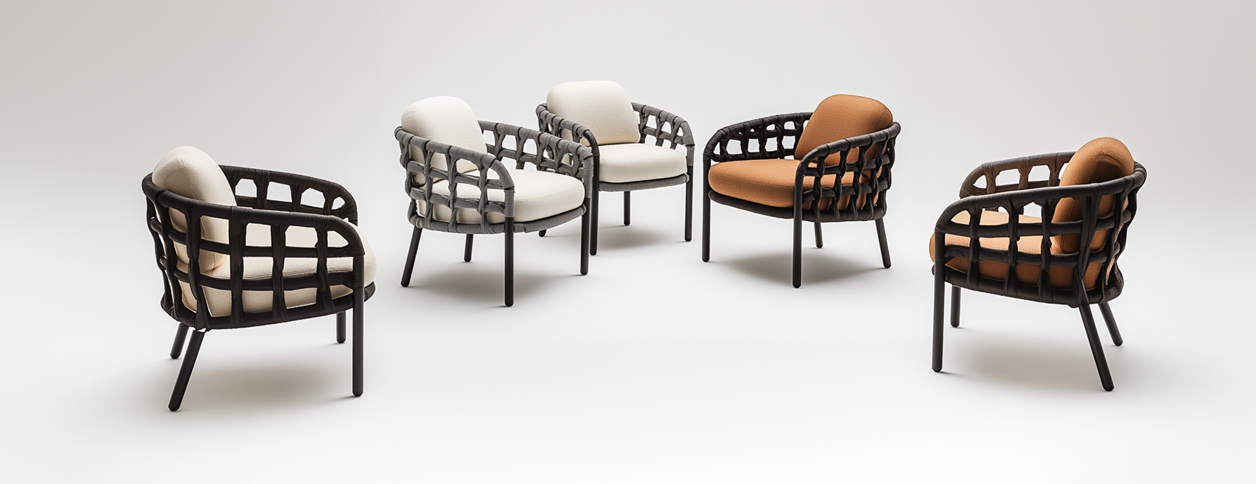
The right outdoor sun lounger can turn any patch of patio, deck, or grass into your favorite spot to unwind. But with so many options available—ranging in material, cushioning, adjustability, and price—it can be difficult to determine which one truly offers lasting comfort. Whether you're building a new relaxation zone or upgrading your current setup, this guide helps you choose a comfortable backyard sun lounger that suits your needs, lifestyle, and environment.
.jpg)
.jpg)
Define Your Comfort Expectations
The first step in choosing a comfortable lounger is understanding what comfort means to you. Do you prefer soft cushions for all-day lounging, or a firm sling for a quick sunbath?
Soft Support: Go for thick, high-density foam cushions.
Body Contouring: Consider sling-style loungers that flex with your body.
Adjustable Recline: Great for switching between reading, sunbathing, or napping positions.
Comfort is personal, so think about how and when you’ll use your lounger most.
Evaluate Materials for Frame and Surface
The comfort of your outdoor sun lounger also depends on the materials it’s made of—both in terms of feel and performance.
Aluminum: Lightweight, rust-proof, and easy to reposition.
Steel: Heavier and more stable but prone to rust if not treated.
Wood (Teak, Eucalyptus): Timeless and sturdy, but may require regular oiling.
Resin or Rattan: Stylish and low-maintenance, often used in upscale outdoor furniture.
Pair your preferred frame with a high-quality fabric or cushion for maximum comfort and durability.
Don’t Ignore Cushion and Fabric Quality
The cushion is where your body meets the lounger—arguably the most important element for comfort.
Water-Resistant Cushions: Must-haves for a waterproof sun lounger.
High-Density Foam: Keeps its shape over time and avoids sagging.
Breathable Fabric: Prevents sweat buildup and keeps you cool in hot climates.
Removable Covers: Allow for easy cleaning and replacement.
Opt for outdoor-rated fabrics like solution-dyed acrylic or polyester for UV and moisture resistance.
Go Waterproof if Weather Is a Factor
If your lounger is exposed to the elements, investing in a waterproof sun lounger saves you maintenance time and cost.
Waterproof Padding: Drains water quickly and resists mold or mildew.
Sealed Stitching: Keeps moisture from seeping into cushions.
Non-Corrosive Frames: Look for powder-coated aluminum or treated wood.
This is especially crucial for poolside setups or areas with high rainfall or humidity.
.jpg)
.jpg)
Adjustability Enhances Versatility
Comfort changes throughout the day. A good outdoor sun lounger should give you options.
Multi-Position Recline: Lets you go from sitting upright to lying flat.
Integrated Footrest: Some loungers have extendable foot sections for full-body support.
Adjustable Headrests or Armrests: Offer customizable support for reading or napping.
Backyard sun lounger models with more adjustability generally rank higher for long-term comfort.
Think About Space and Storage
Your available space will determine what type of lounger you can comfortably accommodate.
Full-Length Loungers: Offer the best comfort but take up more room.
Foldable Models: Ideal for small patios or storage during off-seasons.
Stackable Loungers: Great for households needing multiple units but minimal clutter.
Measure your space and factor in walking clearance and accessories like side tables or umbrellas.
Match Loungers to Your Outdoor Design
A comfortable lounger is even better when it complements your outdoor aesthetic.
Natural Spaces: Pair wooden loungers with neutral-toned cushions.
Modern Terraces: Opt for aluminum frames with monochromatic designs.
Bohemian Gardens: Rattan or wicker models with colorful pillows and throws work best.
Your outdoor furniture should feel like an extension of your home’s style, not an afterthought.
.jpg)
.jpg)
Check Weight and Portability
The weight of your lounger can influence how you use it.
Wheels or Handles: Make heavy loungers easier to move.
Lightweight Frames: Aluminum models are ideal for repositioning with the sun.
Fixed vs. Movable: Consider whether your lounger will stay in place or move often.
Ease of movement contributes to comfort by giving you flexibility in your outdoor routine.
Don’t Skip the Small Details
Sometimes, it’s the little features that make a lounger more enjoyable.
Cup Holders or Trays: Convenient for drinks and books.
Under-Seat Storage: Some loungers include hidden compartments.
Canopy Attachments: Built-in shade can increase comfort significantly on hot days.
These features can add a touch of luxury and improve usability, especially for long lounging sessions.
Final Thoughts
Selecting a comfortable outdoor sun lounger isn’t just about softness—it’s about finding a blend of ergonomics, weather resistance, design, and versatility. Whether you choose a padded waterproof sun lounger or a sleek aluminum frame for your backyard, your decision should prioritize how the lounger feels and functions day after day. A great lounger invites you to sit back, relax, and fully enjoy the beauty of your outdoor space—without compromise.
READ MORE: