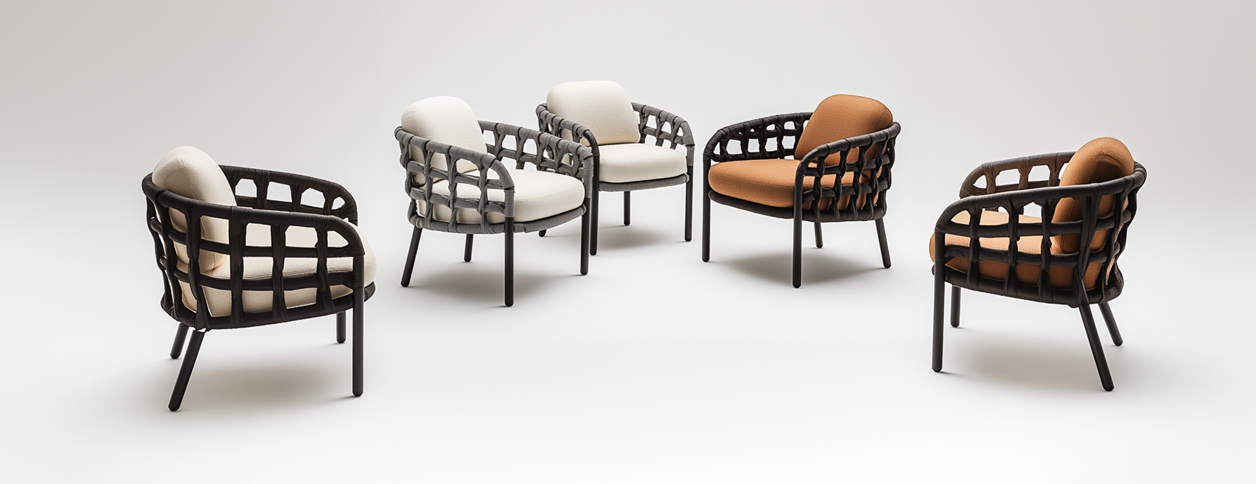
When it comes to outdoor relaxation, few items compare to a good outdoor sun lounger. Whether it’s positioned by a pool, under a shady tree, or on a sunny patio, a lounger provides the perfect place to unwind. However, not every lounger delivers the comfort and durability needed for long-term use. From frame materials to fabric types and ergonomic design, this guide covers the essentials to help you select a backyard sun lounger that offers the right blend of style and comfort.
.jpg)
.jpg)
Assess Your Comfort Needs First
Not all loungers feel the same, and comfort is often subjective. Think about how you’ll use your lounger most often:
For Extended Lounging: Opt for thick cushions and reclining features.
For Sunbathing: A sleek sling design may be more breathable and easy to reposition.
For Multi-Use Spaces: Choose loungers that are easy to fold and store.
Defining your comfort goals makes it easier to choose features that enhance your outdoor experience.
Focus on Ergonomic Design
A comfortable lounger should offer more than a flat surface—it should support your body in all the right places.
Adjustable Backrest: Allows for custom positioning whether you want to sit upright or lie flat.
Lumbar Support: Some outdoor sun lounger designs include contouring that supports the lower back.
Headrest or Pillow: Offers neck support and reduces muscle fatigue.
Armrests: Helpful for reading or getting in and out of the lounger.
The more ergonomic the design, the more likely you’ll enjoy long hours of comfort.
Choose Durable and Comfortable Frame Materials
Comfort also relies on how a lounger is constructed. The frame plays a critical role in support and longevity.
Aluminum Frames: Lightweight and rust-resistant; excellent for poolside use.
Steel Frames: Sturdy but heavier; ensure powder coating for rust protection.
Teak or Acacia Wood: Naturally weather-resistant and elegant, ideal for a rustic backyard sun lounger.
Synthetic Rattan: Woven material over a frame offers flexibility and style.
Match the frame to your outdoor furniture and the environmental conditions where the lounger will live.
Look for Quality Cushions and Covers
The fabric that touches your skin should be as comfortable as your indoor furniture—only tougher.
Weather-Resistant Fabric: Polyester or acrylic options are best for outdoor use.
Quick-Dry Foam: Found in waterproof sun lounger cushions, perfect for poolside or humid climates.
Removable Covers: Simplify cleaning and allow for replacement over time.
UV Protection: Keeps colors from fading in the sun.
Make sure cushions are not too soft or too thin—good cushioning balances firmness and plushness.
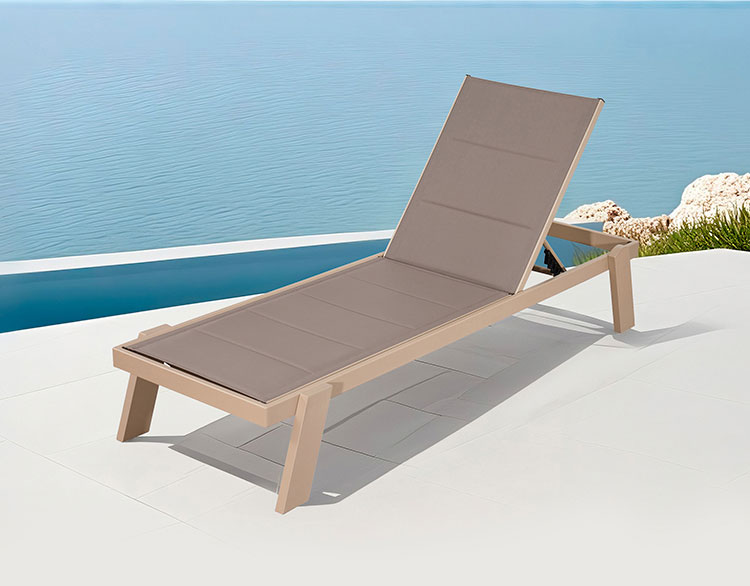
Waterproof Features Add Practical Comfort
A waterproof sun lounger provides peace of mind and easier maintenance. Here’s what to look for:
Sealed Stitching and Zippers: Keeps water out of cushions and padding.
Drainage Vents: Allows water to run off or evaporate faster.
Waterproof Liners: Inside the cushion to prevent saturation.
These features are essential if your lounger will be exposed to rain, dew, or pool splashes.
Size, Dimensions, and Fit
A lounger should accommodate your body comfortably and suit the available space in your yard or patio.
Length and Width: Make sure it fits your height and offers enough wiggle room.
Weight Capacity: Confirm the lounger supports your weight safely and comfortably.
Compact Storage: If you plan to put it away during off-seasons, check if it folds or stacks.
Your backyard sun lounger should feel like a perfect fit—not something you tolerate.
Complement Your Outdoor Aesthetic
While comfort is a priority, don’t forget about style. Your lounger should blend with your outdoor furniture and décor.
Color Matching: Choose cushions that align with your outdoor palette.
Design Theme: Minimalist loungers suit modern patios; wooden loungers enhance natural or rustic spaces.
Consistency: Try to match your lounger’s frame material with dining sets or side tables.
A well-matched lounger enhances the ambiance and overall appeal of your backyard.
.jpg)
.jpg)
Extras That Add Value and Ease
Sometimes, small features make a big impact on comfort and usability.
Built-In Trays or Cup Holders: Great for snacks, drinks, or books.
Wheels: Make it easier to move the lounger to chase or avoid the sun.
Canopies or Shades: Provide relief from harsh sunlight.
Side Storage: Useful for pool towels, sunscreen, or magazines.
These extras make your lounger more than just a seat—they make it a personal retreat.
Low-Maintenance and Long-Lasting
Comfort should never come at the cost of constant upkeep. Look for:
Easy-to-Clean Surfaces: Smooth frames and washable fabrics.
Protective Covers: Extend the life of your lounger when not in use.
Fade and Mildew Resistance: Critical in hot and humid environments.
A truly comfortable outdoor sun lounger is one you don’t have to worry about every time the weather changes.
Final Thoughts
Choosing a comfortable outdoor sun lounger involves more than picking the first stylish chair you see. The best loungers combine ergonomic support, durable materials, weatherproof features, and aesthetic harmony. Whether you’re searching for a luxurious waterproof sun lounger or a practical recliner for a compact space, the right choice will offer years of comfort and style in your backyard retreat.
READ MORE: