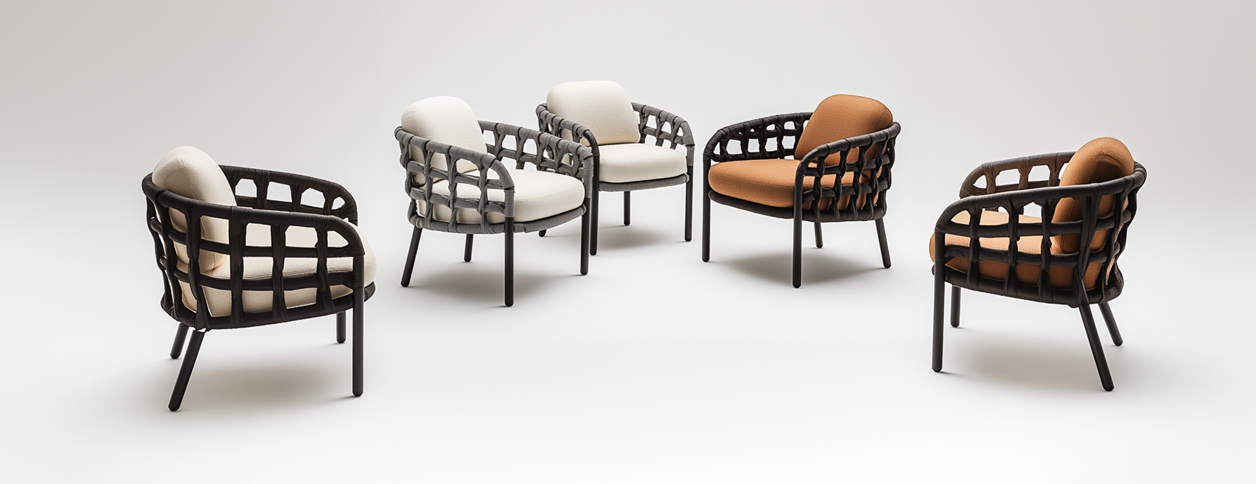
When creating your ideal outdoor retreat, one of the most important pieces of outdoor furniture is the outdoor sun lounger. It’s where you unwind after a long day, soak up the sun, or simply escape with a good book. But while style and comfort are important, durability is key—especially if your lounger will endure harsh weather, heavy use, or years of seasonal storage. This article explores the best materials for crafting a durable and comfortable outdoor sun lounger that stands the test of time.
.jpg)
.jpg)
Why Material Matters
The longevity of your lounger largely depends on the materials used in its construction. The frame, fabric, and any included cushioning must resist wear, moisture, and sunlight. Poor-quality loungers may fade, warp, or break after a single season, while high-quality ones can last for years with minimal upkeep.
When selecting a backyard sun lounger, look for materials that offer both resilience and comfort—ensuring they can handle rain, UV rays, temperature fluctuations, and regular use.
Aluminum: Lightweight and Rustproof
Aluminum is one of the most popular frame materials for outdoor sun loungers, and for good reason. It's lightweight, strong, and naturally resistant to rust and corrosion. Powder-coated aluminum, in particular, offers extra protection against UV damage and scratching.
Pros:
Lightweight and easy to move
Rust-resistant, ideal for humid or rainy climates
Requires little maintenance
Modern and sleek appearance
Cons:
May feel hot under direct sun
Less traditional aesthetic compared to wood
If you're looking for a waterproof sun lounger for poolside or coastal use, aluminum is one of the most practical choices.
Teak Wood: The Timeless Outdoor Champion
Teak is widely regarded as the gold standard for wooden outdoor furniture. Naturally rich in oils, teak resists moisture, insects, and rot without the need for chemical treatments. Over time, it develops a beautiful silvery patina if left untreated, making it a favorite for upscale backyards.
Pros:
Strong, dense, and long-lasting
Resistant to decay and pests
Ages beautifully with minimal maintenance
Adds a luxurious, natural look to any space
Cons:
Expensive
Heavier and harder to move
Requires occasional oiling to maintain golden color
A teak backyard sun lounger is an investment, but it delivers unmatched durability and elegance for years.
.jpg)
.jpg)
Synthetic Rattan (Resin Wicker): Stylish and Resilient
Synthetic rattan, also known as resin wicker, is made from polyethylene or similar materials woven over a metal frame. Unlike natural rattan, which can deteriorate outdoors, synthetic rattan is designed to withstand rain, UV exposure, and daily wear.
Pros:
Weather-resistant and low maintenance
Lightweight and stylish
Comes in various weaves and colors
Comfortable with or without cushions
Cons:
Cheaper versions may crack or fade over time
Weave may loosen if not properly supported
Paired with UV-treated cushions, a waterproof sun lounger made of resin wicker offers comfort and visual appeal.
Steel: Strong and Stable
Steel is a sturdy, affordable alternative for outdoor furniture. Powder-coated steel frames provide resistance against corrosion, but they are heavier than aluminum and may require more care to avoid rusting.
Pros:
Very strong and stable
Often more affordable
Suitable for modern and industrial designs
Cons:
Heavier to move
Susceptible to rust if coating is damaged
Steel is suitable for outdoor sun loungers used on covered patios or where wind stability is a priority.
Textilene and Sling Fabric: Comfortable and Quick-Drying
Many outdoor sun loungers use a mesh-like fabric called textilene or sling stretched over a metal frame. This material is breathable, UV-resistant, and fast-drying—perfect for hot or wet environments.
Pros:
Dries quickly, ideal for poolside use
Conforms to your body for comfort
Requires no additional cushions
Easy to clean with just soap and water
Cons:
May lose elasticity over time
Less plush than cushioned loungers
When looking for a minimalist waterproof sun lounger, sling fabric over aluminum is a top choice.
All-Weather Cushions: The Comfort Factor
Cushions are a comfort upgrade—but only if they’re built for the outdoors. High-quality outdoor cushions are made from quick-drying foam and covered in UV- and water-resistant fabrics like Sunbrella or Olefin.
Pros:
Add plush comfort to any frame
Available in a range of colors and patterns
Mold- and mildew-resistant
Can be replaced seasonally or refreshed
Cons:
Need to be stored in heavy rain
Can fade if not properly treated
Make sure your backyard sun lounger includes cushions with sealed seams and quick-dry cores.
.jpg)
.jpg)
Composite Wood (Polywood): Eco-Friendly and Weatherproof
Made from recycled plastics, composite wood mimics the look of natural wood without its maintenance demands. Polywood and similar materials are impervious to water, insects, and fading.
Pros:
Extremely durable and weatherproof
Easy to clean
Sustainable and eco-friendly
Does not require painting or staining
Cons:
Limited in design variety
Heavier than some materials
Great for users who want a rustic look without the upkeep of natural wood.
Matching Material to Your Environment
Choosing the best material also depends on your regional climate and lifestyle.
Humid/Rainy Climates: Go for aluminum, resin wicker, or composite wood with waterproof cushions.
Dry and Sunny Areas: Opt for UV-resistant sling fabric or teak wood.
Coastal Environments: Stick to rust-proof and salt-resistant materials like aluminum and synthetic rattan.
Urban Patios: Use lightweight, foldable designs in aluminum or steel.
Selecting the right materials ensures that your outdoor sun lounger remains stylish, safe, and usable for years.
Maintenance Tips for Longevity
Even the most durable lounger will benefit from some basic care:
Clean regularly with mild soap and water.
Store cushions indoors during heavy weather.
Apply oil to wooden loungers annually if you want to preserve their original color.
Use covers to protect frames and fabrics from dust and UV rays.
Check for rust, cracks, or mold every few months.
A little maintenance can extend the life of your outdoor furniture by years.
Final Thoughts
A durable outdoor sun lounger is not just about style—it’s about smart material choices that support your comfort and withstand the elements. Whether you go with sleek aluminum, luxurious teak, or weatherproof wicker, the best backyard sun lounger is one that suits your climate, usage needs, and personal taste. Invest in quality materials now, and you’ll enjoy endless hours of relaxation in your outdoor oasis for years to come.
READ MORE: