Creating a lasting outdoor oasis means investing in outdoor furniture that is both beautiful and built to last. One of the most frequently used and exposed pieces in any garden or poolside area is the outdoor sun lounger. This versatile seating option faces intense sun, moisture, and repeated use, making material selection vital. To avoid constant replacements and ensure long-term comfort, it’s essential to understand which materials hold up best outdoors. In this article, we explore the top materials that make a backyard sun lounger durable, weather-resistant, and worthy of your investment.
Why Durability Is Essential in Outdoor Loungers
Unlike indoor seating, loungers placed outdoors must withstand diverse challenges: UV exposure, rain, temperature swings, and more. The right materials prevent issues like rust, mildew, fading, and cracking. Choosing high-quality, weather-tolerant materials can help transform any lounger into a waterproof sun lounger that performs season after season with minimal upkeep.
Teak Wood: The Enduring Natural Choice
Teak is considered the premium wood for outdoor use due to its natural oils that resist moisture, insects, and decay. Its density and strength make it an ideal frame material for loungers used in gardens, on patios, or beside the pool.
Benefits of Teak:
Requires little maintenance to last 10+ years
Weathers into a stylish silver-gray tone over time
Stays cool under the sun compared to metal
Adds a luxurious look to any backyard sun lounger
Note: Though more expensive, teak’s longevity offsets the upfront cost. Occasional oiling helps retain its original golden hue.
Powder-Coated Aluminum: Lightweight and Rust-Free
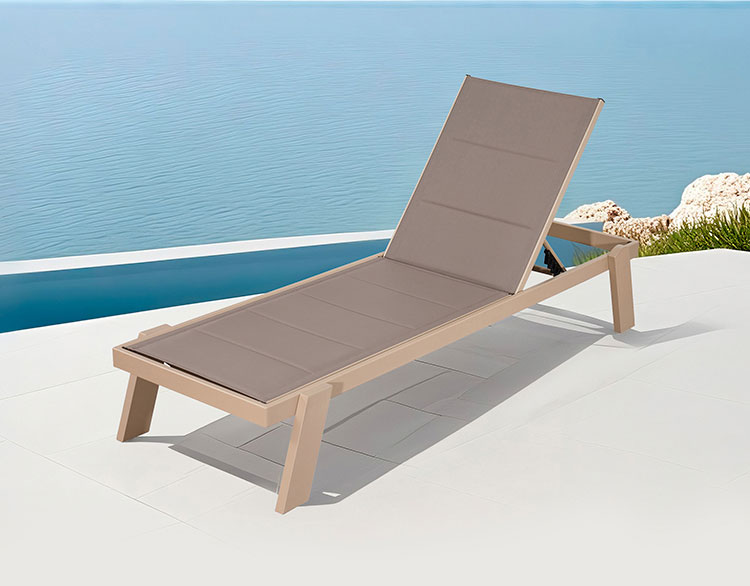
Powder-coated aluminum is a top performer in durability and ease of maintenance. Resistant to rust and corrosion, it is ideal for coastal or rainy climates. Its lightweight nature also allows for easy repositioning or storage.
Why It’s a Great Choice:
Naturally resists rust—even in salty air
Doesn’t warp or crack under heat
Matches modern outdoor design aesthetics
Pairs well with sling fabric for a no-cushion setup
When used with UV-stable mesh or weatherproof cushions, aluminum frames form the backbone of a long-lasting outdoor sun lounger.
.jpg)
.jpg)
Synthetic Rattan (Resin Wicker): Weather-Smart Style
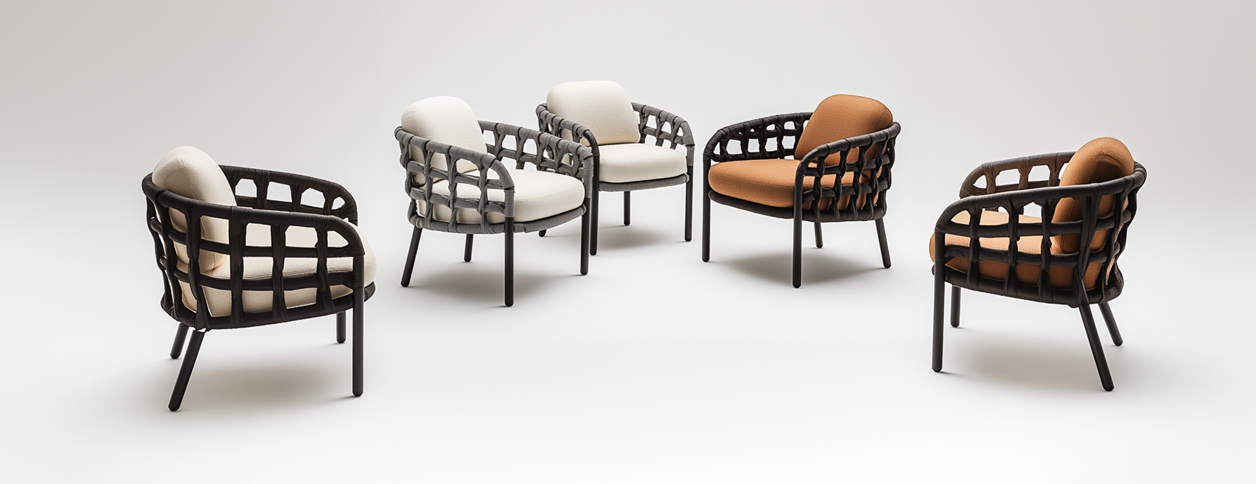
Synthetic wicker brings the charm of traditional woven designs into the modern era with a material built for the outdoors. Made from polyethylene or similar synthetic materials, it’s handwoven around an inner frame (often aluminum) and sealed for UV and water resistance.
What Makes It Durable:
Doesn’t fade, peel, or fray like natural rattan
Resistant to mildew and insects
Adds a warm, inviting texture to furniture
Suitable for various climates
Synthetic wicker loungers are often chosen for their visual appeal and ability to match broader outdoor furniture sets.
HDPE Lumber: Eco-Friendly and Indestructible
High-density polyethylene (HDPE) lumber mimics the look of painted wood but is actually made from recycled plastic. It’s impervious to moisture, rot, and UV rays, making it one of the most weather-resistant materials available.
Why Choose HDPE:
Maintenance-free and fade-resistant
Sustainable and recyclable
Available in vibrant and neutral tones
Never needs staining or sealing
HDPE is a growing favorite for users seeking a waterproof sun lounger that never rots, splinters, or cracks—even after years of exposure.
Stainless Steel: Industrial Strength
Though heavier than other materials, stainless steel offers exceptional strength and durability. Ideal for windy or storm-prone environments, it keeps loungers stable and secure.
Key Features:
Resists deformation under heavy loads
Rust-resistant (especially marine-grade 316 stainless)
Complements modern and industrial design themes
Combine it with UV-protected cushions to create a high-end backyard sun lounger suited to any serious outdoor space.
Sling/Textilene Fabric: Built for Comfort and Dryness
Sling fabrics like textilene are strong, flexible, and breathable. They’re often used as the seating surface in adjustable loungers and are known for their resistance to moisture and mildew.
Advantages of Sling Fabric:
Dries quickly after rain or pool splashes
No need for separate cushions
Offers body-contouring comfort
UV and tear-resistant
This makes them ideal for a poolside outdoor sun lounger that’s comfortable, minimal, and easy to maintain.
.jpg)
.jpg)
Cushions That Can Handle the Outdoors
Even the best lounger frames need weatherproof cushions for comfort. Choose cushions with:
Quick-dry foam: Allows water to drain quickly
Solution-dyed acrylic fabrics (e.g., Sunbrella): Resists fading and mildew
Removable covers: Easy to wash or replace
Mold-resistant cores: Critical in humid climates
Look for products labeled specifically for outdoor use to ensure your comfort lasts as long as the frame.
Pairing the Right Materials for Optimal Performance
Some of the best-performing loungers use a combination of materials:
Aluminum + Mesh Sling: Lightweight, dries quickly, and offers a streamlined modern design.
Teak + Acrylic Cushions: A luxurious choice that offers plush comfort with long-lasting wood durability.
HDPE + Quick-Dry Cushions: A no-fuss, eco-conscious setup that’s built to resist everything from mold to UV rays.
The right pairing enhances your outdoor sun lounger’s functionality, style, and lifespan.
Environment-Specific Recommendations
Your local environment should guide your material choices:
Wet climates: Choose aluminum, synthetic wicker, or HDPE.
High UV areas: Opt for UV-stabilized fabrics and powder-coated metals.
Cold winters: Store cushions indoors and look for freeze-resistant frames.
Windy regions: Use heavier options like steel or HDPE.
Matching materials to your surroundings helps ensure your lounger stays safe, beautiful, and usable year-round.
Final Thoughts
Investing in a durable outdoor sun lounger means more than just picking a pretty frame—it’s about selecting materials that withstand weather, wear, and time. From teak and HDPE to sling fabrics and stainless steel, your options are diverse and dependable. Choose wisely and enjoy years of sun-soaked comfort on a backyard sun lounger that’s built for more than just a single season.
READ MORE: