When choosing an outdoor sun lounger, it’s not just about comfort or aesthetics—durability is a vital factor. After all, loungers are continuously exposed to the elements: scorching sun, pouring rain, wind, and even snow in some regions. If your goal is to relax without worrying about constant upkeep or replacement, you need a lounger made from tough, weather-resistant materials. In this article, we dive into the most durable materials that stand the test of time and elevate your outdoor furniture experience.
_0RpM3t.jpg)
_V9bRdp.jpg)
The Importance of Durable Materials
The materials used in a backyard sun lounger impact everything from its weight and portability to its lifespan and how much maintenance it will require. While all loungers are meant for outdoor use, not all materials are created equal. Some degrade quickly under UV exposure or moisture, while others resist decay for years.
Understanding the strengths and limitations of different materials helps ensure you select the right outdoor sun lounger for your climate and usage habits.
Aluminum: Lightweight Strength with Corrosion Resistance
Aluminum is one of the best all-around options for outdoor loungers. Known for its resistance to rust and corrosion, it’s perfect for humid, rainy, or coastal areas. Powder coating enhances its protection and adds color versatility.
Pros:
Rustproof, even in salty air
Lightweight for easy movement
Modern look that suits most decor
Long-lasting with minimal care
Cons:
May heat up in direct sun
Lighter frames can shift in strong wind
Pair aluminum frames with UV-resistant mesh or cushions, and you have the foundation of a reliable waterproof sun lounger.
Teak: Timeless Natural Durability
Teak wood has been a staple in outdoor furniture for centuries. Thanks to its natural oils, it resists moisture, insects, and rot—making it ideal for both dry and wet climates.
Benefits:
Withstands weather changes without warping
Requires very little maintenance
Ages beautifully over time
Highly durable, even in extreme environments
Drawbacks:
Higher cost
Heavier than aluminum or plastic options
A teak backyard sun lounger brings sophistication and enduring strength to patios and pool decks alike.
Synthetic Rattan: Stylish and Weatherproof
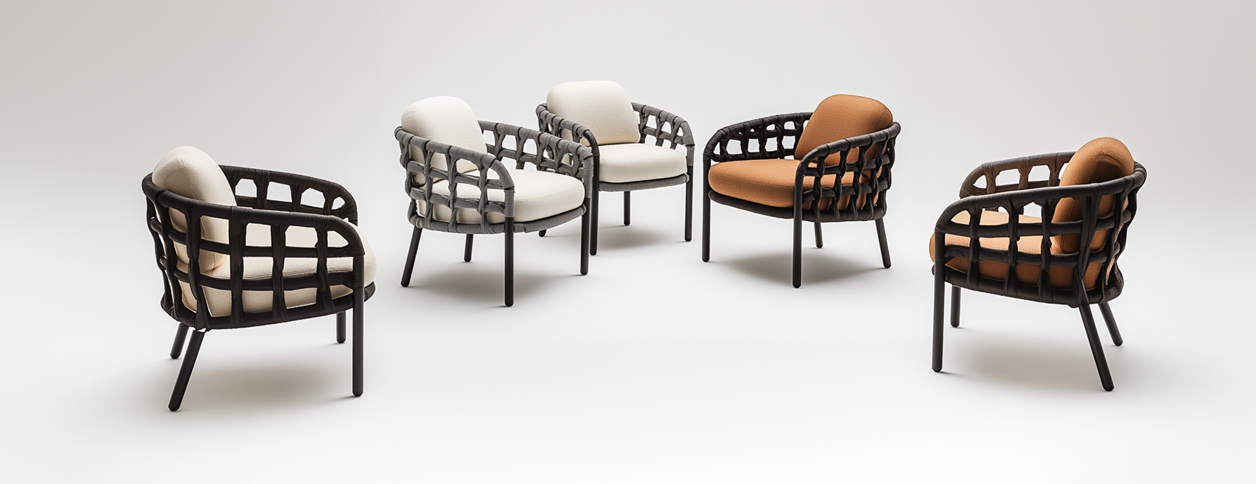
Synthetic rattan, often made of polyethylene or PVC, provides the woven texture and warmth of natural wicker without the weaknesses. It’s wrapped around an internal frame, typically aluminum, to create an attractive and functional lounger.
Advantages:
UV- and moisture-resistant
Doesn’t fray, splinter, or crack
Available in many designs and colors
Low maintenance
Paired with weatherproof cushions, this material is ideal for a cozy yet sturdy outdoor sun lounger.
.jpg)
.jpg)
HDPE (High-Density Polyethylene): The Ultimate Low-Maintenance Choice
HDPE is a recycled plastic lumber known for its strength and sustainability. It replicates the appearance of painted wood without the upkeep.
Why It Lasts:
Resists water, mold, insects, and UV rays
Won’t warp, peel, or splinter
Eco-friendly and 100% recyclable
Easily cleaned with soap and water
HDPE loungers are especially good for families or areas with extreme weather changes, creating a reliable and safe waterproof sun lounger option.
Stainless Steel: Built for Stability
If your location is prone to strong winds or storms, a heavier material like stainless steel may be your best bet. It’s incredibly strong and, when marine-grade, resists rust even near the ocean.
Pros:
Solid and long-lasting
Offers a sleek, industrial design
Great for larger or luxury loungers
Stays stable in all conditions
Cons:
Can be heavy to move
Requires rust-resistant grade (316 preferred)
Combine stainless steel frames with premium cushions for a comfortable, high-performance lounger.
Sling Mesh: Ideal for Hot and Wet Environments
Sling fabric—like textilene—is a flexible mesh that supports your body without needing extra cushions. It’s common in minimalist loungers and excels in warm or poolside settings.
Highlights:
Water-draining and fast-drying
Mold- and fade-resistant
Offers flexible, ergonomic support
Easy to clean and maintain
Loungers with mesh slings over metal frames are ideal for those who prioritize airflow and simplicity in their outdoor furniture.
.jpg)
.jpg)
All-Weather Cushions: Don’t Forget Comfort
Durability isn’t just about the frame. Your lounger’s cushions must also withstand the elements.
Quick-dry foam: Prevents mold and mildew
Solution-dyed acrylic fabrics: Resist fading, even in strong sunlight
Water-repellent coatings: Keep moisture out
Removable covers: Make cleaning a breeze
When building your perfect backyard sun lounger, ensure the cushions match the same level of durability as the frame.
What’s Best for Your Climate?
Choose materials based on your location:
Wet climates: Aluminum, HDPE, and synthetic rattan with waterproof cushions
Dry and sunny: Teak or sling mesh with UV protection
Windy environments: Stainless steel or heavy HDPE for stability
Cold regions: Store cushions and opt for freeze-resistant materials
Matching your lounger to your surroundings ensures it remains functional and beautiful year after year.
Maintenance Tips for Longevity
A little care goes a long way. Here’s how to get the most life out of your lounger:
Wipe down frames monthly to remove dust and salt
Use protective covers when not in use
Store cushions indoors during long rainy periods or winter
Oil teak once or twice a year if you prefer to preserve the golden tone
These steps help your outdoor sun lounger continue delivering comfort and performance long after the purchase date.
Final Thoughts
Durability doesn’t mean sacrificing comfort or beauty. By choosing high-quality materials like aluminum, teak, HDPE, and synthetic wicker—and pairing them with weatherproof cushions—you ensure your outdoor sun lounger serves you through countless sunny afternoons and rainy days. Make the right material choice now, and you’ll have a lounger that ages gracefully alongside your outdoor sanctuary.
READ MORE: