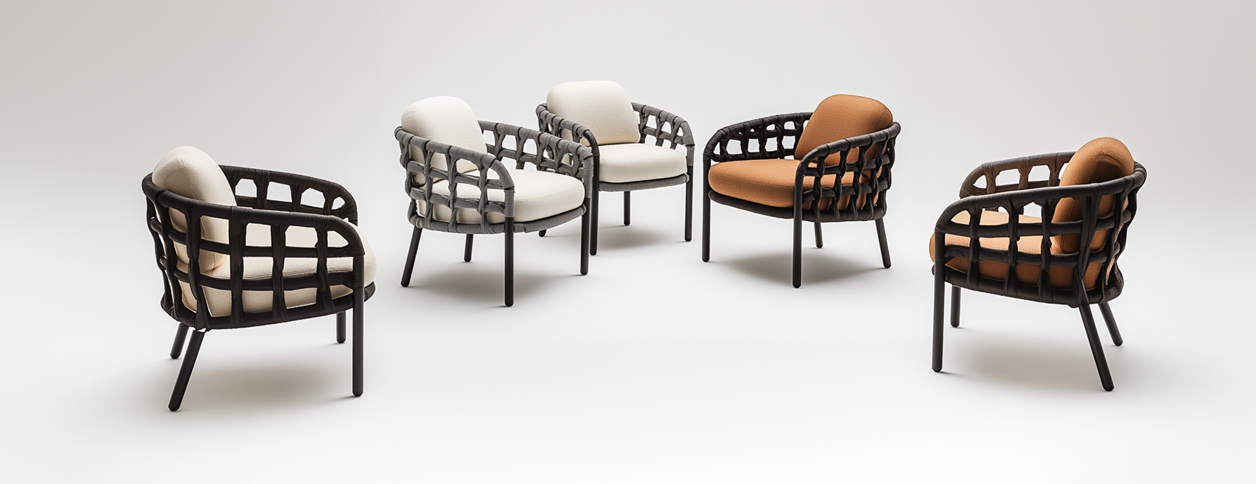
In today’s outdoor living spaces, the outdoor sun lounger plays a key role in providing both comfort and functionality. Whether used poolside, on a deck, or in a quiet backyard corner, it’s where we relax, recharge, and soak in the outdoors. But how do you ensure that your lounger withstands the elements and remains reliable for years to come? The answer lies in the materials. In this guide, we’ll explore the best materials to consider when selecting a durable and stylish outdoor sun lounger.
_M6oaWJ.jpg)
_HXI8DI.jpg)
What Makes a Material Durable?
Durability goes beyond just strength—it’s about how a material holds up over time against environmental stress. Loungers need to endure sunlight, rain, moisture, pests, and sometimes snow or frost. The most durable materials are resistant to corrosion, rot, UV damage, and general wear and tear.
When choosing a backyard sun lounger, consider how the material behaves under constant outdoor exposure and how much maintenance it requires.
Aluminum: A Weatherproof Favorite
Aluminum is a top-tier option for frames thanks to its rust-proof and lightweight properties. When powder-coated, it becomes highly resistant to UV rays and scratches, extending its lifespan significantly.
Key Advantages:
Naturally rust-resistant, even in coastal areas
Lightweight for easy movement and storage
Sleek, modern design options
Easy to clean and maintain
Pair it with mesh or quick-dry cushions, and you’ve got a low-maintenance waterproof sun lounger that performs well year-round.
Teak: Nature’s High-Performance Wood
Teak wood is a timeless choice for those who want a natural look without compromising on strength. Rich in natural oils, teak repels water, insects, and mold, making it an excellent frame material.
Benefits of Teak Loungers:
Excellent weather resistance and stability
Ages beautifully from golden brown to silver-gray
Minimal upkeep required
Sustainable and renewable
While teak is more expensive, its longevity and classic aesthetic make it a worthwhile investment for any backyard sun lounger.
.jpg)
.jpg)
HDPE (Recycled Plastic Lumber): Ultimate in Durability
HDPE is an increasingly popular material in outdoor furniture, offering a wood-like appearance with none of the hassle. Made from recycled plastics, it’s completely waterproof and won’t crack, chip, or fade over time.
Why HDPE is a Smart Choice:
100% waterproof and UV-stabilized
Resistant to mold, mildew, and pests
Eco-friendly and low maintenance
Available in various colors and textures
It’s ideal for people who want a sustainable, long-lasting, and easy-to-clean waterproof sun lounger.
Synthetic Rattan (All-Weather Wicker): Stylish and Strong
Synthetic rattan offers the woven charm of traditional wicker, with the resilience of modern plastics. It’s wrapped around aluminum or steel frames, offering style and strength.
Pros of Synthetic Rattan:
UV and moisture-resistant
Comfortable even without thick cushions
Versatile for various design styles
Lightweight yet sturdy
Look for tightly woven synthetic fibers for maximum durability and longevity in any climate.
Stainless Steel: Heavy-Duty Reliability
If stability and strength are top priorities, stainless steel is a great option. Especially in windy or exposed areas, stainless steel offers unmatched stability.
Stainless Steel Features:
Excellent structural strength
Rust-resistant in marine-grade forms (316)
Holds up well under heavy weight and harsh weather
Ideal for luxury outdoor spaces
Add plush cushions, and you’ll have a high-end outdoor sun lounger built to last.
.jpg)
.jpg)
Sling Fabric (Textilene): Breathable and Maintenance-Free
Sling fabric made from PVC-coated polyester is commonly used in sun loungers due to its breathability, flexibility, and low-maintenance design.
Advantages:
Drains and dries quickly after rain
Offers comfortable body support without cushions
Resistant to UV and mildew
Easy to hose down for cleaning
Perfect for hot climates or poolside settings, sling fabric transforms a lounger into a practical and lightweight seating solution.
Durable Cushions: Comfort That Lasts
Frames are only part of the equation. To complete a durable lounger, invest in high-quality outdoor cushions that withstand the elements.
Quick-dry foam cores: Prevent water retention
Solution-dyed acrylics (like Sunbrella): Maintain vibrant color and resist mildew
Zippered covers: Make for easy removal and washing
UV-resistant coatings: Extend cushion life even in sunny areas
Well-made cushions ensure your backyard sun lounger remains as comfortable as it is stylish, no matter the weather.
Choose the Right Combo for Your Environment
To pick the best material, consider where and how you’ll use your lounger:
Coastal Areas: Aluminum or marine-grade stainless steel
Rainy Climates: HDPE or synthetic rattan with waterproof cushions
Dry, Sunny Locations: Teak or sling fabric with UV-resistant finishes
Windy Spots: Stainless steel or heavier HDPE for stability
Selecting a material suited to your region guarantees better performance and longevity.
Long-Term Maintenance Tips
Even the most durable loungers benefit from basic care:
Cover your lounger during prolonged rain or snow
Clean with mild soap and water every few weeks
Store cushions indoors when not in use
Check for rust or cracks seasonally
Routine upkeep keeps your outdoor sun lounger looking and feeling great year after year.
Final Thoughts
When it comes to selecting a truly durable outdoor sun lounger, materials matter most. Aluminum, teak, HDPE, synthetic rattan, and stainless steel all offer unique advantages depending on your climate, style, and usage preferences. Match these materials with weatherproof cushions and you’ll enjoy lasting comfort, timeless style, and minimal maintenance. Invest in quality now, and your outdoor furniture will reward you with years of leisure and relaxation.
READ MORE: