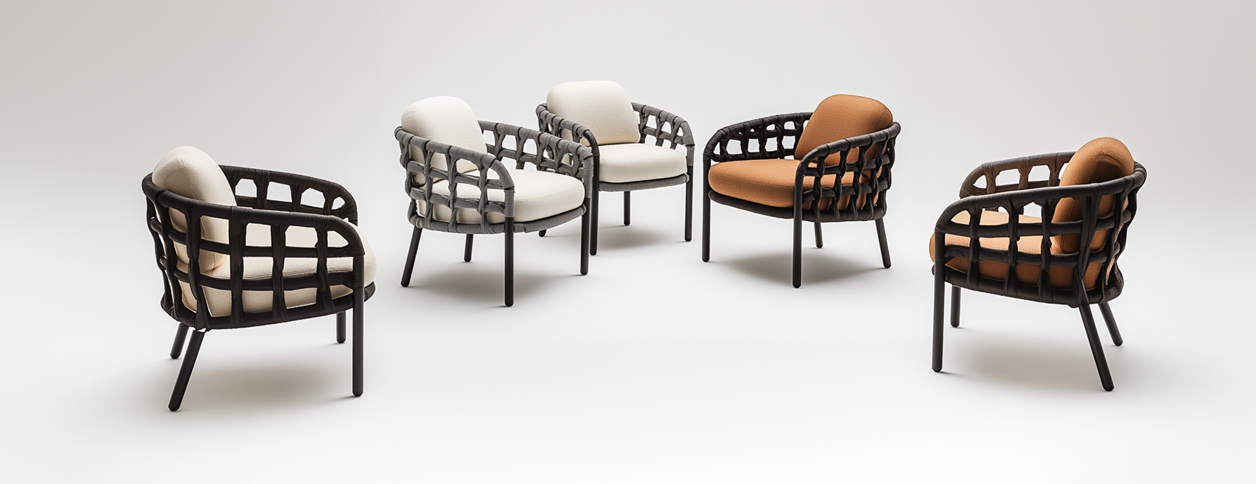
Selecting the right outdoor sun lounger for your backyard, patio, or poolside retreat may seem like a simple task, but the size you choose can significantly impact both comfort and aesthetics. Many homeowners rush to purchase a lounger based on looks alone, only to discover later that the size does not fit their outdoor area or their personal relaxation needs. This guide will walk you through the essential considerations for choosing the correct size outdoor sun lounger, ensuring you create a harmonious and functional outdoor space that invites relaxation.
.jpg)
.jpg)
Why Size Matters in Outdoor Furniture
When it comes to outdoor furniture, size is more than just a matter of fitting a piece into your yard. The dimensions of a sun lounger influence how comfortable it is, how easy it is to move around, and how it interacts with the overall layout of your backyard. A lounger that is too large can make your space feel cramped, while one that is too small may look awkward or fail to provide the comfort you expect. By taking careful measurements and considering how you plan to use your space, you can select a lounger that enhances your environment rather than detracting from it.
Standard Dimensions of Sun Loungers
Most sun loungers fall within a fairly standard range of dimensions, but even within this range, the differences can be significant. A typical outdoor sun lounger is around 70 to 80 inches long and 24 to 30 inches wide. This allows most adults to recline comfortably. Taller individuals may want to consider extended-length loungers, while smaller spaces may require narrower models. Adjustable loungers can also add flexibility, letting you change the backrest angle to optimize comfort for reading, sunbathing, or napping.
Measuring Your Space Before Purchase
One of the most common mistakes buyers make is failing to measure their outdoor area before buying new furniture. Start by sketching out the area where you want to place your lounger. Include walkways, side tables, and any other outdoor furniture you plan to keep nearby. Leave at least 24 inches of clearance around each lounger so people can walk comfortably without bumping into the furniture. If you are setting up multiple loungers for a family or entertaining guests, measure the spacing carefully to ensure everyone has room to recline without feeling cramped.
Considering the Shape of Your Backyard
The shape and layout of your backyard or patio will also influence which size lounger works best. For example, if you have a long, narrow deck, two smaller loungers may fit better than one oversized piece. On the other hand, if your backyard features an open poolside area, larger loungers can make the space feel luxurious and inviting. Choosing the correct proportions ensures that your backyard sun lounger does not dominate the scene but instead blends seamlessly with its surroundings.
Single vs. Double Loungers
Another important decision is whether you want a single or double lounger. A single lounger is perfect for individuals who want a private place to stretch out, while a double lounger can create a cozy setting for couples. However, double loungers naturally take up more space and may overwhelm smaller patios. If you are limited in square footage, multiple single loungers may be a better choice since they can be rearranged more easily.
_M6oaWJ.jpg)
_HXI8DI.jpg)
Materials and Their Impact on Size Perception
Interestingly, the material of your lounger can affect how large or small it appears. A woven rattan frame tends to look lighter and airier compared to a solid wood or metal construction. If you are concerned about your space feeling crowded, choosing lighter materials can create the illusion of more room. Pairing your sun lounger with minimalist outdoor furniture also prevents the space from looking cluttered.
Storage Considerations
While many people think only about using their loungers, storage should also play a role in your decision. A large outdoor sun lounger may look appealing in summer, but where will it go during winter months? If you live in a region with harsh weather, a foldable or stackable model may be the best choice. A waterproof sun lounger provides some protection from the elements, but storing it under a shed or garage during the off-season will extend its lifespan considerably.
Comfort and Cushion Thickness
Size is not just about the frame—it is also about how thick and supportive the cushions are. A thinner cushion may save space visually, but it may not offer the comfort you desire for long lounging sessions. On the other hand, very thick cushions can make the lounger look bulkier, which might not be ideal in smaller areas. Strike a balance by choosing medium-thickness cushions that complement the lounger size and provide adequate comfort.
Portability and Weight
If you plan to move your lounger frequently—for example, shifting it to follow the sun throughout the day—its weight will matter. A large wooden lounger may be very comfortable but difficult to move. A smaller aluminum lounger might be easier to handle but may not have the same luxurious feel. Think carefully about whether portability or permanence is more important in your outdoor setup.
_cjjqap.jpg)
_Wo0s3h.jpg)
Matching Loungers with Other Outdoor Furniture
A sun lounger does not exist in isolation; it is part of your overall outdoor design. Pairing your backyard sun lounger with a matching side table, umbrella, or storage chest can create a cohesive look. Avoid selecting a lounger that dwarfs the rest of your outdoor furniture, as this will throw off the balance of your space. Instead, choose proportional pieces that complement one another.
Waterproof Features and Durability
If you live in a region with frequent rain or poolside splashes, investing in a waterproof sun lounger is essential. Not only does this extend the lifespan of the furniture, but it also reduces maintenance. Waterproof fabrics and quick-dry cushions make it easier to enjoy your lounger without constantly worrying about weather conditions. When evaluating sizes, keep in mind that waterproof loungers sometimes feature bulkier frames due to added protective materials, so plan accordingly.
Practical Examples: Small vs. Large Spaces
To illustrate how size choice matters, consider two examples. In a compact urban balcony, a slim outdoor sun lounger with foldable legs is ideal—it provides comfort without taking up valuable space. In contrast, a sprawling backyard with a pool might look best with a pair of oversized loungers arranged symmetrically, creating a resort-like feel. Both are valid choices, but they highlight how context should guide your purchase.
Final Tips Before You Buy
Before finalizing your purchase, test out the lounger in person if possible. Lie down, adjust the backrest, and see how it feels. Imagine it in your space—will it block walkways or complement the flow of your yard? Pay attention to scale, proportion, and flexibility. The right lounger should make your space more inviting while offering comfort that suits your lifestyle.
Conclusion
Choosing the right size outdoor sun lounger is about more than aesthetics; it is about creating a balanced and comfortable outdoor retreat. Whether you have a small balcony or a large backyard, the key is to measure carefully, consider proportions, and think about how your lounger will work with other outdoor furniture. By factoring in comfort, storage, and durability, you will find a lounger that not only looks great but also enhances your overall outdoor experience.
READ MORE: