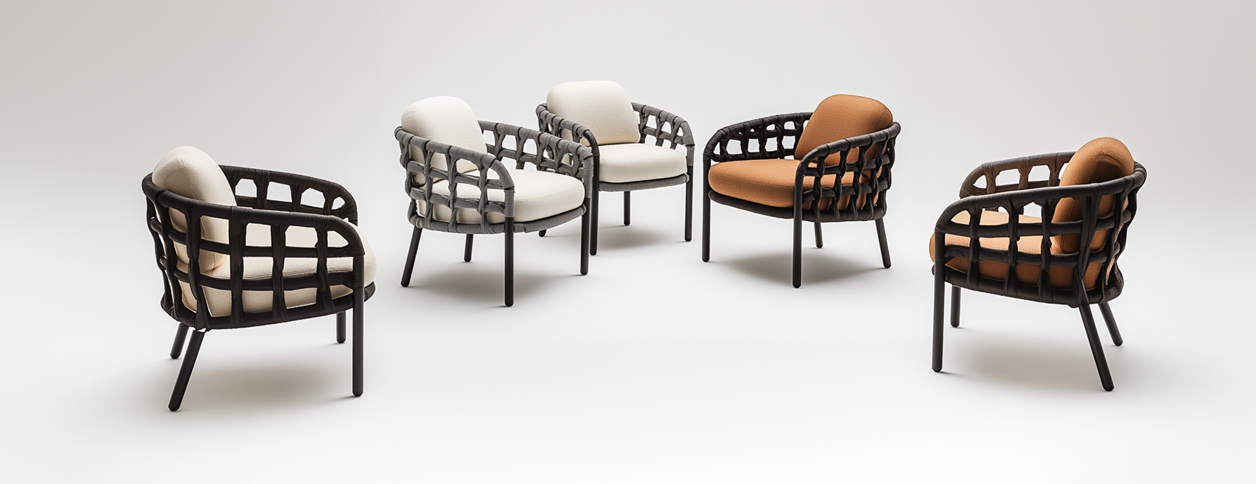
Designing an outdoor relaxation zone requires more than picking a style that appeals to your eye. The dimensions of your sun lounger are equally important, as the right size determines comfort, ease of use, and the flow of your backyard or patio. Choosing an outdoor sun lounger that is too small can leave you feeling cramped, while an oversized one might dominate the entire deck. This article explores practical steps to help you identify the right size lounger for your space so you can relax in style and comfort.
.jpg)
.jpg)
Understanding Standard Lounger Dimensions
Most outdoor sun loungers fall within a predictable size range: around 70–80 inches in length and 24–32 inches in width. While these measurements accommodate most adults, there are variations designed for taller individuals or for couples who prefer double loungers. Width and length are not the only dimensions to consider—the height of the backrest and the clearance underneath also matter for usability and comfort. For instance, a taller lounger height can make it easier for seniors to sit and stand, while lower models create a sleek, modern aesthetic.
Balancing Function and Aesthetics
When selecting outdoor furniture, it is easy to focus on appearance alone. Yet, the balance between functionality and aesthetics is essential. A backyard sun lounger should be comfortable to recline on for hours, but it should also look like a natural extension of your outdoor design. If you have a compact balcony, a slim-profile lounger blends better with the environment. In contrast, if you have a wide poolside terrace, larger loungers may enhance the sense of luxury without making the space feel crowded.
Measuring and Planning Ahead
Before you shop, measure your outdoor space carefully. Leave at least 24 inches of clearance around the lounger so you can move comfortably and add side tables if needed. For those creating an outdoor lounge zone with multiple loungers, consider symmetrical layouts—they not only maximize space but also create an organized, inviting look. Planning ahead prevents the common mistake of buying a lounger that feels oversized once it arrives.
Matching Lounger Size to Activities
Your choice of size should reflect how you intend to use the lounger. If you plan to read, sunbathe, or nap, a longer and wider lounger offers more comfort. For casual sitting, a more compact option might be sufficient. Families often prefer several mid-sized loungers rather than one oversized model, as this provides flexibility. If you expect guests frequently, multiple single loungers allow easy rearrangement, while a double waterproof sun lounger offers a cozy space for two.
.jpg)
.jpg)
Materials and Space Perception
The material of your lounger can influence how spacious your outdoor area feels. For example, a woven rattan frame creates an airy and light appearance, whereas solid teak or metal frames may look bulkier. A large lounger in a heavy material might overwhelm a small patio, while a slimmer waterproof sun lounger can provide durability without appearing too heavy. Choosing materials that visually match your space helps balance comfort and aesthetics.
Storage and Seasonal Considerations
If you live in an area with seasonal weather, storage must factor into your decision. Large loungers may look impressive during summer but can become a burden during colder months. Foldable models or stackable designs are practical for compact storage. Even if you purchase a waterproof sun lounger, long-term exposure to snow or heavy rain can shorten its lifespan. Consider how and where you will store your furniture before deciding on size.
Cushion Thickness and Ergonomics
Lounger size is not only about the frame—it is also about cushion thickness and ergonomics. A thick cushion can increase comfort but also visually enlarge the piece, which may not suit small patios. Meanwhile, thinner cushions offer a sleeker profile but may not provide enough support for extended lounging. A balanced choice is a medium cushion thickness that complements the lounger’s proportions while delivering adequate comfort.
.jpg)
.jpg)
Creating Harmony with Other Outdoor Furniture
Your backyard sun lounger is part of a larger outdoor furniture arrangement. Make sure its size matches the scale of other pieces, such as dining tables, chairs, or storage benches. A lounger that is disproportionately larger than other furniture can make your layout look unbalanced. Matching scale ensures harmony, making your outdoor retreat look well-planned rather than haphazard.
Waterproof Features and Longevity
Durability should never be overlooked. A waterproof sun lounger not only withstands sudden rain showers but also ensures the cushions dry quickly. This feature is particularly important if your lounger is placed near a pool or in a humid climate. While waterproof designs sometimes appear bulkier due to additional protective materials, the trade-off is worth it for durability and ease of maintenance. Always account for these design elements when considering the size of your lounger.
Examples of Small and Large Space Solutions
Consider two real-world scenarios. In a compact apartment balcony, a foldable outdoor sun lounger with slim legs is ideal. It offers relaxation without sacrificing too much space. Meanwhile, in a large backyard with an open lawn, oversized loungers arranged with umbrellas and side tables create a resort-like atmosphere. These contrasting examples highlight how choosing the right size depends heavily on the space you are working with.
Final Thoughts
The perfect lounger size depends on a careful balance of comfort, proportion, and practicality. Take the time to measure your space, think about storage, and consider how the lounger will complement other outdoor furniture. By factoring in all these elements, you will be able to select an outdoor sun lounger that not only enhances your backyard but also provides the comfort and style you deserve.
Conclusion
The perfect lounger size depends on a careful balance of comfort, proportion, and practicality. Take the time to measure your space, think about storage, and consider how the lounger will complement other outdoor furniture. By factoring in all these elements, you will be able to select an outdoor sun lounger that not only enhances your backyard but also provides the comfort and style you deserve.
READ MORE: