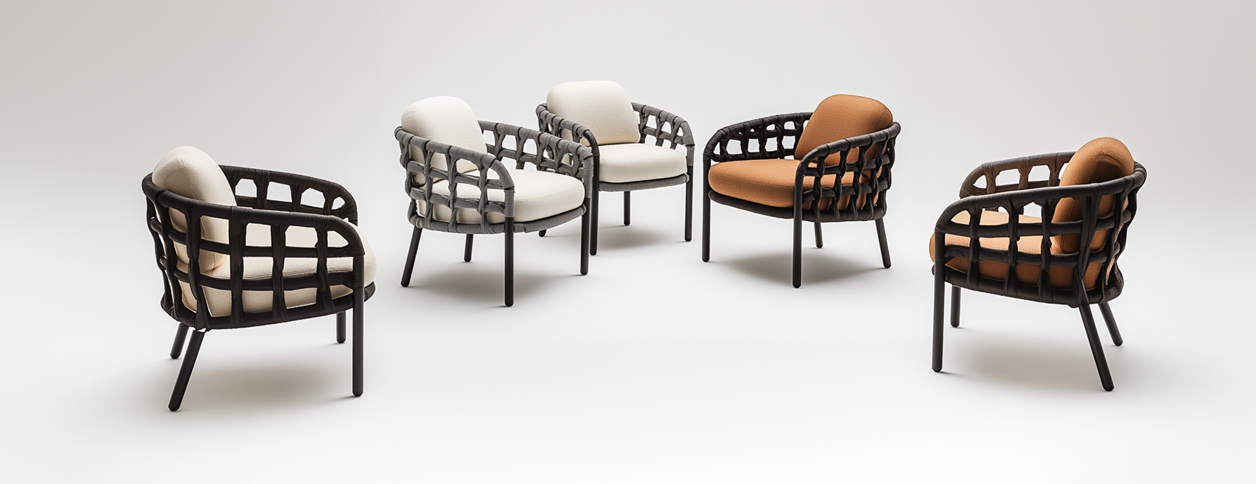
Creating a comfortable outdoor retreat begins with choosing the right furniture. While design and material often get the spotlight, the size of your sun lounger plays an equally vital role in defining both the function and the flow of your backyard. A well-sized lounger ensures comfort, complements the surrounding décor, and makes your outdoor space feel thoughtfully designed. This guide explores everything you need to know about selecting the ideal dimensions for your outdoor sun lounger.
_0RpM3t.jpg)
_V9bRdp.jpg)
Why Size Selection Matters
When planning an outdoor area, people sometimes underestimate the importance of proportion. A sun lounger that is too large can dominate a small deck, leaving little room to move. Conversely, one that is too small can look out of place or fail to provide adequate comfort. Size selection is about finding balance—ensuring your backyard sun lounger enhances rather than disrupts your layout.
Standard Lounger Measurements
Most outdoor sun loungers fall between 70–80 inches long and 24–30 inches wide. These dimensions suit the average adult, offering ample space to stretch out and relax. Taller users may prefer extended-length loungers, while couples often choose double loungers for shared comfort. Width is just as important as length—narrow loungers save space but may compromise on comfort, while wider models offer luxury seating but require more room.
Planning Your Space
Start by measuring the area where you plan to place your lounger. Leave at least two feet of clearance around the piece to allow easy access. For poolside arrangements, factor in extra space for side tables, umbrellas, and footpaths. If you intend to add multiple loungers, symmetry and spacing will be crucial to avoid a cluttered look. A clear plan ensures the lounger size feels intentional rather than overwhelming.
Lifestyle and Usage Considerations
The right size often depends on how you intend to use the lounger. For example, if you want to sunbathe for long hours, a full-length model with adjustable recline positions is ideal. If you mainly use it for quick breaks, a compact model works better. Families often opt for multiple mid-sized loungers to provide flexibility, while couples may enjoy the intimacy of a double waterproof sun lounger. Matching the size to your lifestyle helps maximize satisfaction with your purchase.
.jpg)
.jpg)
The Influence of Material
The choice of material impacts not just durability but also how large or small a lounger appears. Lightweight aluminum frames and woven wicker designs often look less bulky, making them ideal for smaller patios. Solid teak or steel frames, while sturdy, may appear heavier and take up more visual space. Choosing materials that balance strength with visual lightness can make your backyard sun lounger more adaptable to different spaces.
Storage and Portability
Storage is another factor that many overlook. A large outdoor sun lounger can be challenging to store during the winter or rainy season. Foldable or stackable designs are practical choices for smaller homes. Even if you buy a waterproof sun lounger, which can withstand splashes and light rain, proper storage extends its lifespan. Consider whether you want a portable lounger that can be moved easily or a more permanent, heavier option.
Cushion Thickness and Comfort
The thickness of the cushion plays a big role in how the lounger feels and looks. Thick cushions add comfort but make the lounger appear bulkier. In smaller spaces, slim cushions may be a better choice to maintain proportion. However, don’t sacrifice too much comfort—opt for medium-thickness cushions that strike a balance between aesthetics and support.
Creating Cohesion with Other Outdoor Furniture
A lounger should never feel like a standalone piece—it should integrate with your broader outdoor furniture arrangement. If your backyard includes a dining set, coffee table, or storage bench, ensure your lounger is scaled appropriately. Oversized loungers next to small tables can look mismatched, while undersized loungers in large patios may appear insignificant. Properly proportioned outdoor furniture enhances the overall atmosphere and flow.
.jpg)
.jpg)
Waterproof Features and Durability
Durability is a practical concern for any backyard investment. A waterproof sun lounger ensures that sudden rain or poolside splashes won’t ruin your cushions. While waterproof loungers sometimes include sturdier or thicker frames, the trade-off is durability and low maintenance. If you live in a climate with frequent showers, investing in waterproof materials is essential for long-term use.
Examples of Practical Applications
In a small apartment balcony, a slim, foldable outdoor sun lounger offers comfort without crowding the area. For a medium-sized suburban patio, two loungers with matching side tables can create an inviting relaxation corner. In a large backyard with a pool, oversized loungers paired with umbrellas establish a resort-like feel. These examples show how lounger size should adapt to the environment rather than following a one-size-fits-all rule.
Final Considerations
Before purchasing, take time to test loungers in person if possible. Recline on them, adjust the settings, and imagine how they will fit within your space. Think not only about comfort but also how the lounger will integrate with your other outdoor furniture. The right size should enhance both usability and aesthetics.
Conclusion
Choosing the perfect size outdoor sun lounger requires balancing proportions, lifestyle needs, and comfort. By measuring your space, considering storage, and factoring in design harmony, you can ensure your backyard sun lounger becomes a centerpiece rather than a burden. Whether you choose a compact foldable model or a spacious double waterproof lounger, the key is selecting one that complements your outdoor lifestyle and enhances your environment.
READ MORE: