Relaxation is the heart of any outdoor living space, and few pieces of furniture embody this better than a sun lounger. Whether you have a poolside retreat, a spacious backyard, or a compact balcony, the size of your lounger can determine not only how comfortable you feel but also how functional your space becomes. Selecting the right outdoor sun lounger requires careful planning, especially when balancing proportions, comfort, and design. This guide explains how to pick the perfect size to transform your outdoor setting into a haven of rest.
The Importance of Proportion in Outdoor Furniture
Outdoor furniture often becomes the focal point of a backyard or patio. If it is too large, it can make the space look overcrowded; too small, and it may seem insignificant or uncomfortable. A properly sized backyard sun lounger enhances the harmony of your space. By aligning the lounger with the scale of your patio or garden, you create a balanced and visually pleasing atmosphere. This is why measuring and planning ahead is critical before purchasing.
Standard Size Ranges
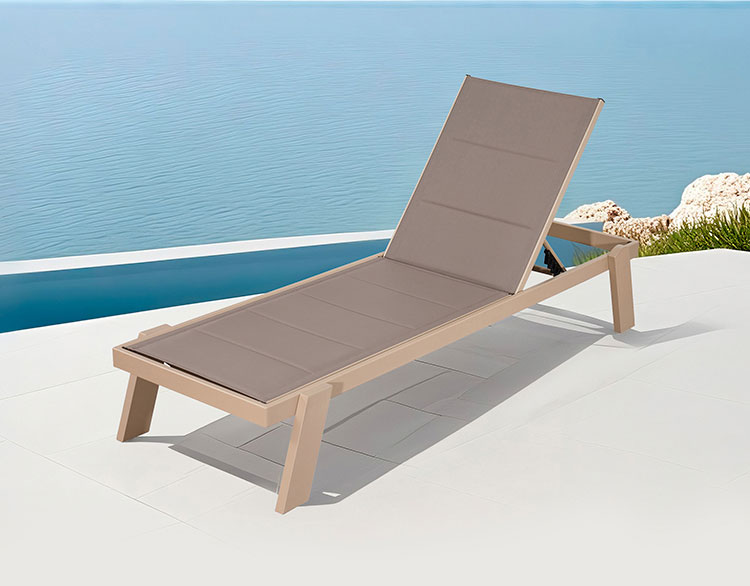
A typical outdoor sun lounger ranges between 70 and 80 inches in length, with a width of around 24 to 30 inches. This size is sufficient for most adults, allowing comfortable reclining without feeling restricted. Taller individuals, however, may benefit from extended-length loungers, while couples may find double loungers more suitable for shared relaxation. Adjustable backrests can also enhance comfort by allowing different reclining positions without impacting the size footprint.
Measuring and Space Allocation
Before making a purchase, measure the specific area where you want to place your lounger. Keep in mind that walkways and access points should remain open. At least 24 inches of clearance around the lounger ensures people can move freely without bumping into furniture. If you are setting up multiple loungers, plan the layout to allow symmetrical spacing, which creates an organized and inviting look.
Lounger Size by Lifestyle Needs
The size of your lounger should reflect how you plan to use it. For long hours of sunbathing or napping, a longer, wider lounger is preferable. If you are mainly using it for short breaks or reading, a more compact option may suffice. Families often benefit from multiple mid-sized loungers rather than one oversized piece, offering flexibility for different users. Couples, on the other hand, may enjoy a double waterproof sun lounger for shared comfort.
.jpg)
.jpg)
Material Influence on Space Perception
The material of your lounger affects not only durability but also how it interacts visually with your backyard. A lightweight aluminum or wicker lounger appears less bulky, making it a good choice for smaller patios. By contrast, a wooden or metal-framed lounger might appear larger and more solid, which works well in spacious gardens. Choosing materials that visually complement your outdoor furniture helps create a cohesive environment.
Storage and Portability
While many focus solely on usability, storage is equally important. A large backyard sun lounger may look luxurious during summer but could be cumbersome to store during winter months. Foldable or stackable models provide an advantage in compact storage, especially for smaller properties. Even if you purchase a waterproof sun lounger, you will want to extend its life by protecting it from prolonged harsh weather when not in use.
Cushioning and Comfort Considerations
Lounger comfort does not depend only on the frame size but also on the thickness and quality of the cushions. A thick cushion enhances comfort but can also make the lounger appear larger. In small spaces, thinner cushions may be more suitable for maintaining proportion. Look for medium-thickness cushions that provide enough comfort while blending seamlessly with the lounger’s overall design.
Harmony with Other Outdoor Furniture
A well-designed backyard should feel cohesive. Choosing the correct lounger size ensures it complements other pieces of outdoor furniture such as dining sets, coffee tables, or storage benches. Oversized loungers can overpower smaller furniture, while undersized ones may get lost in larger setups. Balancing proportions creates harmony and makes the space feel thoughtfully designed.
_xaXhzt.jpg)
_Lt9FWY.jpg)
Waterproof Features for Durability
One of the smartest investments you can make is in a waterproof sun lounger. This ensures durability against unexpected rain and keeps cushions usable year-round. Waterproof materials sometimes add slight bulk to the lounger, but the long-term benefits in longevity and low maintenance far outweigh this consideration. For poolside areas, waterproof designs are especially essential.
Small-Space Solutions vs. Large-Space Comfort
In a compact urban balcony, the best solution is often a slim, foldable outdoor sun lounger that provides relaxation without dominating the limited space. Meanwhile, large suburban backyards allow the placement of oversized loungers with side tables and umbrellas, creating a resort-like ambiance. Each scenario requires a different approach to size, showing that there is no one-size-fits-all solution.
Final Advice Before Purchase
Before making your decision, always test the lounger if possible. Recline on it, adjust the backrest, and visualize how it will fit into your space. Take into account not only the size but also the ease of movement around it, the comfort of cushions, and how it pairs with existing outdoor furniture. A well-sized lounger enhances both comfort and aesthetics, transforming your outdoor living area into a welcoming retreat.
Conclusion
Selecting the right size outdoor sun lounger involves balancing practicality, comfort, and design harmony. By measuring your space, considering lifestyle needs, and accounting for storage, you can make a smart investment that enhances your backyard. Whether you opt for a compact single lounger or a spacious double, the right choice will create a stylish, comfortable environment where you can unwind and enjoy the outdoors.
READ MORE: